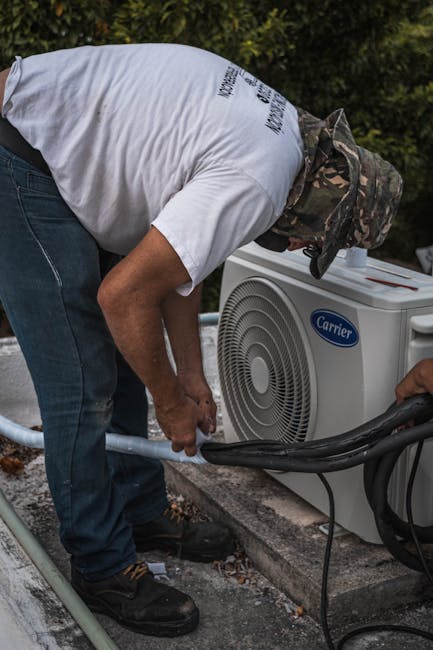
Are you tired of finding mouse droppings near your air conditioner or hearing strange noises late at night? Mice can cause serious damage to your unit, leading to costly repairs and health risks.
But don’t worry—securing your air conditioner against these unwanted guests is easier than you think. You’ll discover simple, effective steps to mouse proof your air conditioner and protect your home. Keep reading to learn how to stop mice from turning your cool comfort into a constant headache.
Credit: www.hammertechltd.com
Signs Of Mouse Infestation
Air conditioners can attract mice looking for shelter. Knowing the signs helps you act fast. Early detection prevents more damage.
Look carefully around your AC unit. Mice leave clues that show they are nearby. Spotting these signs helps protect your home and AC.
Common Indicators
You may see small droppings near the AC unit. These droppings are usually black and pellet-shaped. You might also hear scratching sounds inside the unit.
Other signs include strong, musty smells and greasy marks. Mice leave these marks by rubbing their fur on surfaces. You may also find shredded materials like paper or insulation around the AC.
- Small black droppings near or inside the AC
- Scratching or scurrying noises, especially at night
- Musty or urine-like odors close to the unit
- Greasy or dark smudge marks on wires or pipes
- Shredded insulation or paper near the AC
Damage To Ac Components
Mice chew on wires, which can cause shorts or fires. They may also damage insulation that helps the AC run efficiently. Damaged parts can lead to costly repairs.
Look for bite marks or frayed wires inside the unit. You might find nests built with insulation or debris. These damages reduce AC performance and increase energy bills.
- Chewed electrical wires causing shorts
- Damaged insulation around pipes or wiring
- Nests made from insulation or debris inside the AC
- Loose or broken components from gnawing
Risks Of Mice In Air Conditioners
Mice can enter air conditioners and cause many problems. They build nests, leave droppings, and damage parts. This can affect your health and the system’s work.
It is important to know the risks to protect your air conditioner and your home. Below are the main dangers caused by mice in air conditioners.
Health Hazards
Mice carry germs and parasites that can harm people. Their droppings and urine can spread diseases. Air conditioners can blow these harmful particles into your home.
- Allergic reactions from mouse droppings
- Respiratory problems caused by airborne particles
- Spread of diseases like hantavirus and salmonella
- Contamination of indoor air quality
System Performance Issues
Mice can chew wires and insulation inside the unit. This causes electrical problems and may lead to system failure. Nest materials can block airflow and reduce cooling power.
| Damage Type | Effect on Air Conditioner |
| Chewed wires | Power shorts and system breakdowns |
| Nests in vents | Reduced air flow and efficiency |
| Insulation damage | Poor temperature control |
| Droppings inside unit | Foul odors and contamination |
Preventive Measures
Mice can damage air conditioners by chewing wires and nesting inside. Taking preventive steps stops mice from entering and causing harm.
Focus on keeping mice out by sealing openings and removing anything that attracts them. These actions keep your air conditioner safe and working well.
Sealing Entry Points
Mice can squeeze through tiny holes to reach your air conditioner. Seal all gaps and cracks to block their access.
Use materials like steel wool or caulk to close openings around pipes, vents, and cables. Check these spots regularly for new holes.
- Inspect walls and baseboards near the unit
- Fill holes larger than 1/4 inch
- Install door sweeps on nearby doors
- Seal gaps around vents and pipes
- Use metal mesh for larger openings
Removing Food Sources
Mice enter spaces where they find food. Keep the area around your air conditioner clean and free of crumbs or spills.
Store pet food and snacks in sealed containers. Avoid leaving trash or compost bins open near the unit.
- Clean up spills and crumbs immediately
- Store food in airtight containers
- Take out trash regularly
- Keep compost bins sealed
- Avoid feeding pets near the air conditioner

Credit: www.callfastair.com
Physical Barriers
Mice can damage your air conditioner by nesting inside or chewing wires. Physical barriers stop them from entering the unit.
Using strong materials to block openings is an effective way to protect your air conditioner from rodents.
Installing Mesh Screens
Mesh screens cover vents and openings on your air conditioner. They block mice but allow airflow needed for cooling.
- Choose metal mesh with small holes, no larger than ¼ inch.
- Cut the mesh to fit the vent or opening precisely.
- Secure the mesh with screws or strong clips to prevent gaps.
- Check the mesh regularly for damage or loose spots.
Using Rodent Guards
Rodent guards are special covers designed to keep mice out. They fit around pipes, wires, and gaps near your air conditioner.
| Type of Rodent Guard | Use Area | Material |
| Pipe Sleeve | Around pipes entering unit | Metal or heavy plastic |
| Wire Mesh Cover | Vents and large openings | Stainless steel mesh |
| Foam Sealant | Small cracks and gaps | Rodent-resistant foam |
Natural Deterrents
Mice can damage your air conditioner by chewing wires and nesting inside. Using natural deterrents helps keep them away safely.
These methods use smells and plants mice dislike. They are easy to try and good for your home environment.
Essential Oils And Scents
Strong smells from essential oils can keep mice away. Mice do not like certain scents, so these oils work well as repellents.
Common oils to use include peppermint, eucalyptus, and citronella. You can add a few drops to cotton balls near your air conditioner.
- Peppermint oil smells strong and fresh
- Eucalyptus oil has a sharp scent mice dislike
- Citronella oil is often used to repel insects and mice
Plants That Repel Mice
Some plants naturally keep mice away. Planting these near your air conditioner can reduce mouse visits.
These plants have strong smells or textures that mice avoid. They also add beauty to your outdoor space.
- Mint plants have a strong smell that mice dislike
- Lavender gives off a scent mice avoid
- Garlic plants produce a smell that repels mice
- Chrysanthemums contain natural chemicals that keep mice away
Electronic Repellents
Electronic repellents use sound waves or signals to keep mice away. They do not harm animals or humans.
These devices are easy to install near your air conditioner. They help reduce mouse problems without chemicals.
Ultrasonic Devices
Ultrasonic devices send high-frequency sounds that mice dislike. These sounds are too high for humans to hear.
Place these devices near the air conditioner vents or cables. The sound helps stop mice from entering or nesting.
- Use multiple devices for larger areas
- Keep devices plugged in all the time
- Place devices where mice are active
Effectiveness And Limitations
Ultrasonic devices can reduce mouse activity but do not always stop it completely. Some mice get used to the sound.
These devices work best with other mouse control methods like sealing holes and cleaning areas.
- May not work through walls or thick materials
- Effectiveness varies by mouse species
- Needs continuous power supply
- Does not kill mice, only repels them
Regular Maintenance Tips
Keeping your air conditioner safe from mice needs regular care. Small pests can cause damage and block airflow. Simple maintenance helps stop these problems early.
Follow these tips to keep your air conditioner clean and checked. This will help you avoid costly repairs and keep the unit working well.
Cleaning And Inspection
Regular cleaning removes dirt and debris that attract mice. Inspect parts for holes or signs of nesting. Pay close attention to vents and filters.
- Turn off the air conditioner before cleaning
- Remove and clean filters every month
- Check for holes or cracks in the unit’s casing
- Clear away leaves, twigs, and other debris near the unit
- Look for mouse droppings or nests around and inside the unit
Professional Servicing
Hire a professional to check and service your air conditioner yearly. Experts can spot problems you may miss. They also clean hard-to-reach areas.
| Service Task | Why It Matters |
| Seal holes and gaps | Stops mice from entering the unit |
| Clean internal parts | Removes food sources and nests |
| Check wiring and components | Prevents damage caused by chewing |
| Test airflow and cooling | Ensures efficient operation |

Credit: www.reddit.com
When To Call Pest Control
Air conditioners can attract mice looking for warmth. Small gaps and wires invite them inside.
If you see signs of a mouse problem near your AC unit, it might be time to get help.
Signs Of Severe Infestation
Severe mouse infestations cause damage and health risks. Look for strong signs before calling pros.
- Chewed wires or insulation around the AC unit
- Strong urine smell near the air conditioner
- Mouse droppings inside or around the unit
- Frequent sightings of mice during day or night
- Strange noises from inside the AC unit
These signs show mice have made your AC home. DIY fixes may not work well now.
Choosing The Right Service
Picking a good pest control service helps solve mouse problems quickly. Check their experience.
- Look for companies with AC pest control experience
- Check if they use safe, eco-friendly methods
- Ask about guarantees or follow-up visits
- Read reviews from other customers
- Confirm they inspect the entire AC unit and nearby areas
Good services not only remove mice but also help prevent future infestations.
Frequently Asked Questions
How Do Mice Enter Air Conditioners?
Mice enter air conditioners through small gaps or holes in the unit. They seek warmth and shelter inside.
What Materials Block Mice From Air Conditioners?
Steel wool, metal mesh, and copper mesh effectively block mice. These materials prevent gnawing and entry.
How Often Should I Check For Mice In Ac Units?
Inspect your air conditioner every three months. Regular checks help spot damage and prevent infestations early.
Can Sealing Ac Gaps Stop Mice Completely?
Sealing gaps reduces entry but may not stop all mice. Combine sealing with traps and repellents for best results.
Conclusion
Keeping mice away from your air conditioner protects it from damage. Seal all small holes and gaps around the unit. Use mesh screens to block entry points. Clean the area regularly to avoid attracting rodents. Check your air conditioner often for signs of mice.
Taking these steps helps your AC work well longer. A safe, clean air conditioner means better air quality. Preventing mice saves you money on repairs and replacements. Stay proactive and keep your home comfortable year-round. Simple actions make a big difference in mouse proofing.