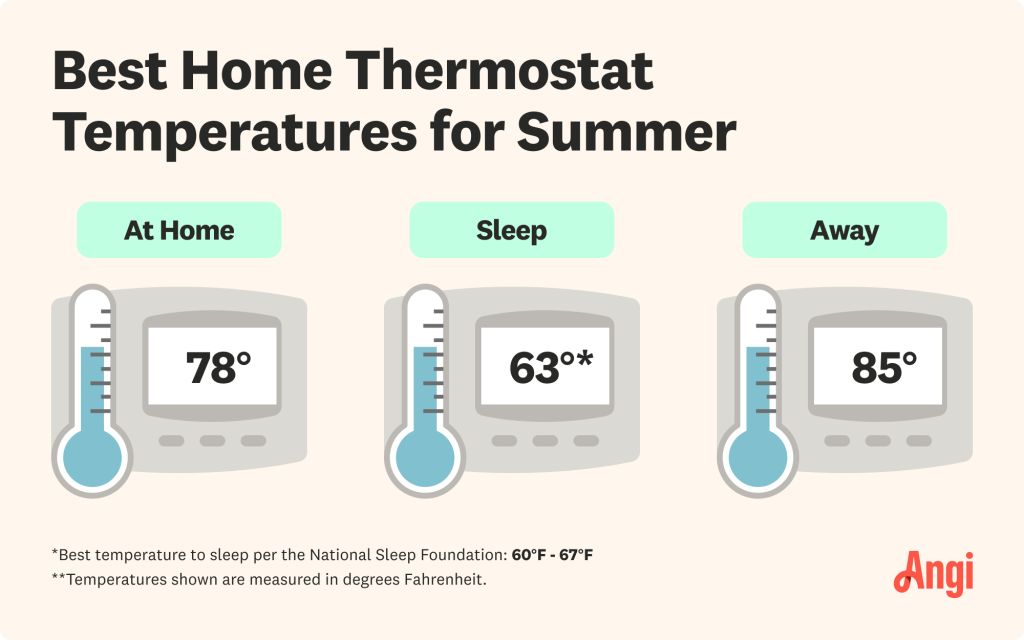
Are you unsure about the best temperature to set your air conditioner? You’re not alone.
Setting your AC just right can make a huge difference—not only in how comfortable you feel but also in your energy bills. Too cold, and you might be wasting money; too warm, and you won’t feel refreshed. You’ll discover the ideal temperature that keeps your home cool, saves energy, and helps you stay comfortable all day long.
Keep reading to find out how a simple adjustment can transform your living space and your wallet.
Ideal Temperature Range
Setting your air conditioner to the right temperature keeps you comfortable. It also helps save energy and lower bills.
The ideal temperature range for most homes is between 72°F and 78°F. This range balances coolness and energy use well.
Recommended Settings For Different Seasons
Air conditioner settings should change with the seasons. This keeps your home comfortable all year long.
In summer, set the temperature lower to beat the heat. In spring and fall, a slightly higher setting saves energy.
- Summer: 72°F to 75°F for cooling
- Spring/Fall: 75°F to 78°F for mild weather
- Winter (if using AC for heating): 68°F to 70°F
Balancing Comfort And Energy Efficiency
Lower temperatures feel cooler but use more energy. Higher temperatures save energy but may feel warm.
Try to keep your air conditioner at the highest comfortable setting. Use fans to help spread cool air.
- Set AC to 78°F when you are home and active
- Raise temperature by 7°F to 10°F when away
- Use programmable thermostats to adjust settings automatically
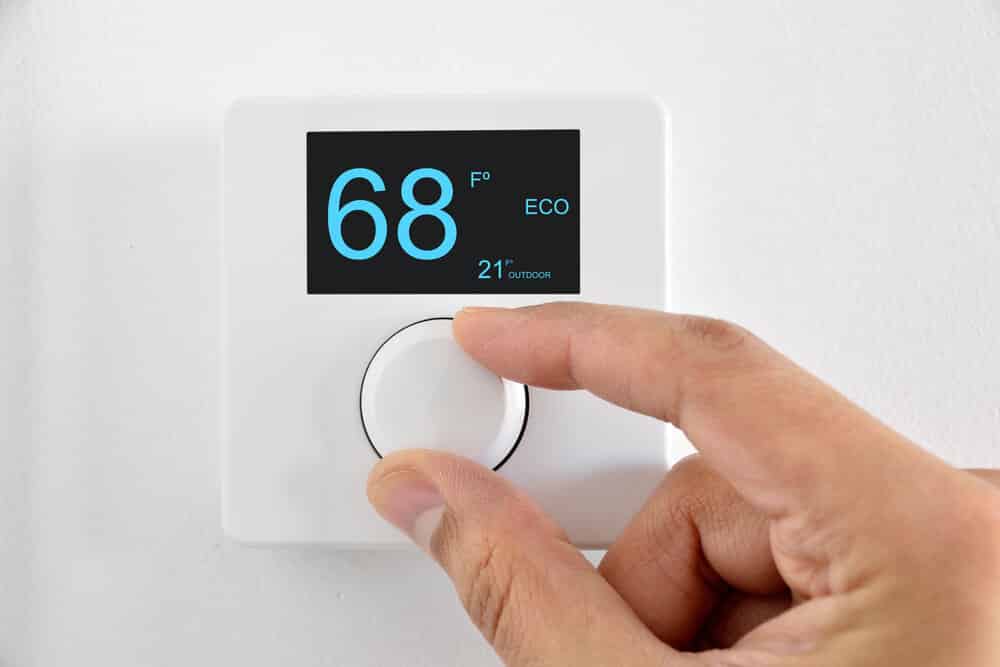
Credit: fischerheating.com
Factors Influencing Temperature Choice
Setting the right temperature on your air conditioner depends on many factors. These factors help keep the room comfortable and save energy.
Understanding these factors will guide you to choose a temperature that fits your needs and environment.
Room Size And Insulation
Larger rooms need cooler temperatures to feel comfortable. Good insulation keeps cool air inside and warm air outside. This reduces how hard the air conditioner works.
- Small rooms: Set temperature slightly higher
- Large rooms: Lower temperature for comfort
- Well-insulated rooms: Maintain steady temperature
- Poor insulation: Air conditioner works harder
Number Of Occupants
More people in a room raise the temperature because bodies produce heat. You may need to lower the air conditioner setting to stay cool.
| Number of People | Recommended Temperature Setting (°F) |
| 1-2 | 75-77 |
| 3-5 | 72-74 |
| 6 or more | 70-72 |
Outdoor Climate Impact
The outside temperature affects how hard your air conditioner must work. Hot and humid weather may require a lower indoor temperature.
Consider these points for outdoor climate:
- Hot days: Lower AC setting for comfort
- Humid weather: Use a setting that helps reduce moisture
- Mild days: Higher temperature saves energy
- Cool nights: Turn up temperature or turn off AC
Health Considerations
Setting the right air conditioner temperature is important for your health. Too cold or too hot can cause discomfort and health problems.
Proper temperature helps keep your body comfortable and prevents illnesses caused by bad air quality or temperature extremes.
Avoiding Temperature Extremes
Extreme temperatures can cause headaches, dry skin, and breathing problems. Avoid setting the AC too cold or too warm.
Experts suggest keeping the temperature between 72°F and 78°F for comfort and health. This range helps your body adjust easily.
- Too cold air can cause muscle stiffness and colds.
- Too warm air may increase fatigue and dehydration.
- Stay within a moderate temperature range to protect your health.
Humidity Control
Humidity affects how comfortable the air feels. High humidity can cause mold and dust mites, which harm health.
Use your air conditioner to keep humidity levels between 30% and 50%. This helps prevent allergies and respiratory issues.
- Low humidity can dry out skin and throat.
- High humidity can cause sweating and mold growth.
- Balanced humidity supports easy breathing and comfort.
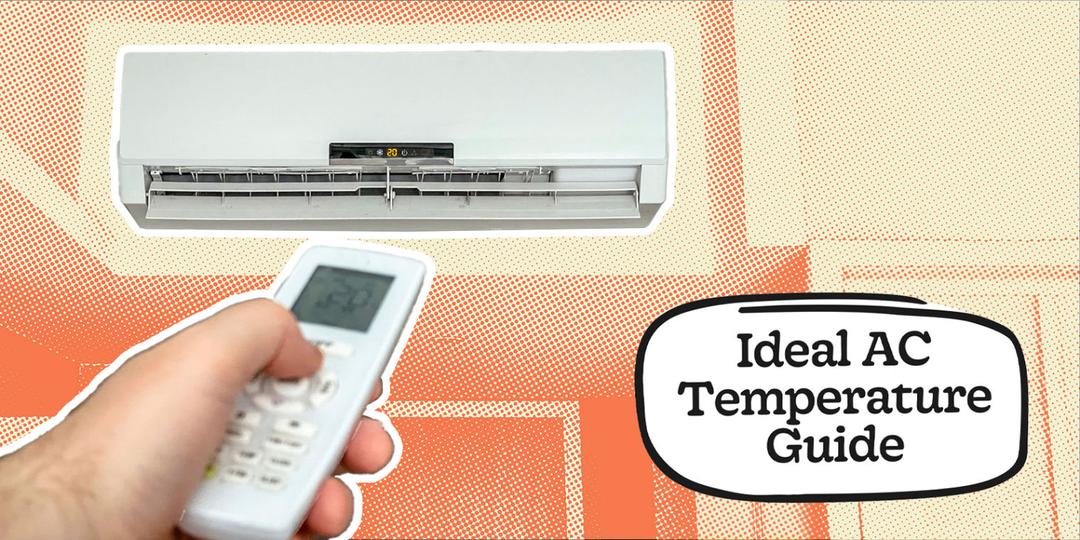
Credit: heatable.co.uk
Energy Saving Tips
Setting the right temperature on your air conditioner helps save energy. Small changes can lower your electricity bill.
Use smart habits and tools to keep your home cool without wasting power.
Using Programmable Thermostats
Programmable thermostats control your AC automatically. They adjust temperatures based on your schedule.
- Set the thermostat to higher temperatures when you are not home.
- Cool your home only when needed.
- Program temperature changes to match your daily routine.
Setting Temperature When Away
Raising the temperature while you are away saves energy. Keep your AC off or set it to a warmer setting.
| Condition | Recommended Temperature |
| Home occupied | 24°C (75°F) |
| Away for few hours | 28°C (82°F) |
| Away all day | 30°C (86°F) |
Regular Maintenance
Keep your air conditioner clean and well-maintained. It works better and uses less energy.
- Clean or replace filters every month.
- Check for leaks in ducts and seal them.
- Clear debris around the outdoor unit.
- Schedule professional service once a year.
Smart Thermostat Benefits
Setting the right temperature on your air conditioner saves energy and money. Smart thermostats help you keep your home comfortable easily.
These devices learn your habits and adjust temperatures automatically. They make cooling your home simple and efficient.
Adaptive Temperature Control
Smart thermostats adjust the air conditioner based on the weather and your routine. They change settings to keep rooms just right.
This helps avoid wasting energy when no one is home. The system learns and improves over time for better comfort.
Remote Access And Scheduling
You can control a smart thermostat from your phone. This means you can change the temperature even when you are not home.
Scheduling lets you set times for the air conditioner to turn on or off. This keeps your home cool only when needed.
- Turn AC on before you arrive
- Set cooler temperatures during the day
- Save energy by turning off at night
Common Mistakes To Avoid
Setting the right temperature on your air conditioner saves energy and keeps you comfortable. Many people make mistakes that reduce the AC’s efficiency.
Knowing what to avoid helps you get the best from your cooling system and lowers your bills.
Setting Too Low Temperatures
Setting your air conditioner too low can waste energy and strain the system. It does not cool the room faster but uses more power.
- Do not set the temperature below 75°F (24°C) for regular comfort.
- Lower settings make the AC run longer and increase electricity bills.
- Very low temperatures can cause the unit to freeze up and fail.
- Keep the thermostat at a moderate, steady temperature.
Ignoring Airflow And Vent Placement
Good airflow lets cool air spread evenly. Poor vent placement can cause hot spots and reduce cooling.
| Common Airflow Issues | Effect on Cooling |
| Blocked vents | Air cannot circulate properly |
| Furniture in front of vents | Blocks cold air flow |
| Dirty air filters | Reduces air volume and quality |
| Improper vent placement | Uneven temperature in rooms |
Check vents and furniture placement. Clean filters regularly. These simple actions improve your AC’s performance.
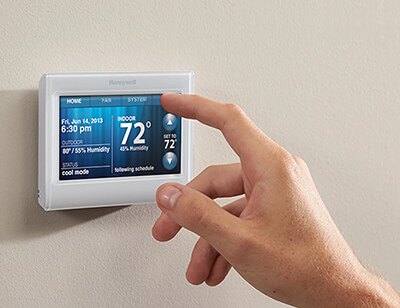
Credit: gulfshorecooling.com
Frequently Asked Questions
What Is The Best Ac Temperature For Comfort?
The ideal temperature for comfort is typically between 72°F and 78°F. This range balances energy efficiency with personal comfort. Adjust according to your preference and the climate. Keeping it within this range can help maintain a comfortable environment without excessive energy use.
How Can I Save Energy With Ac Settings?
Set your air conditioner to 78°F when you’re home. Increase the temperature when you’re away. This helps save energy while maintaining comfort. Use a programmable thermostat for automatic adjustments to optimize energy efficiency further.
Why Is My Ac Not Cooling Properly?
If your AC isn’t cooling well, check the thermostat settings first. Ensure the temperature is set correctly. Clean or replace the air filter if dirty. Also, check for blocked vents or coils. Regular maintenance can prevent cooling issues.
Should Ac Temperature Vary By Room?
Yes, room usage and size can dictate temperature settings. Living rooms may need cooler settings for comfort. Bedrooms might require warmer settings for better sleep. Consider using zoned cooling or multiple units for different rooms.
Conclusion
Setting your air conditioner at the right temperature saves energy and money. Aim for around 78 degrees Fahrenheit when you are home. This keeps you comfortable without using too much power. When you leave, raise the temperature a few degrees.
This small change helps lower your bills. Remember, adjusting your AC wisely benefits both you and the environment. Try to find a balance that feels good and is efficient. Staying cool does not have to cost a lot. Simple steps make a big difference.