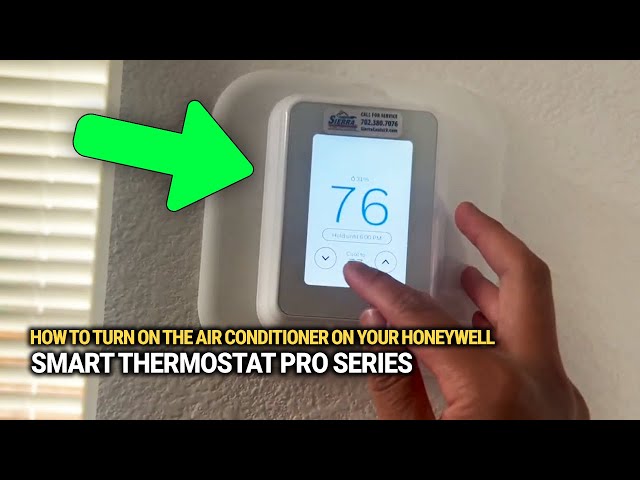
Have you ever found yourself wanting to cool down your room, but your air conditioner’s thermostat isn’t working or is missing altogether? It can be frustrating when you need relief from the heat, but your AC won’t turn on the usual way.
The good news is, you don’t have to wait for a repair or replacement to feel comfortable again. You’ll learn simple and effective ways to turn on your air conditioner without using a thermostat. By the end, you’ll have easy solutions that save you time and keep your space cool when it matters most.
Keep reading to discover how to take control of your AC right now.

Credit: www.cnet.com
Check Your Air Conditioner Model
Different air conditioner models have unique controls. Some models have a manual control panelon the unit itself. This panel lets you change settings without a thermostat. Check the sides or front of the unit for buttons or switches.
Look for buttons labeled Power, Mode, or Fan Speed. These controls allow basic operation like turning on the AC or adjusting cooling. Some older models have a simple toggle switchto start the unit.
Locate the main power switchon the air conditioner. This switch might be near the cord or on the back. Sometimes it is a small button or a slider. Make sure the AC is plugged in and the switch is on.
Use The Air Conditioner Remote
The air conditioner remote is the main tool to control your AC. It allows you to turn on the unitwithout using the thermostat. Most remotes have a power button to start the AC quickly.
Some remotes also let you set the temperature manually. Use the up and down buttons to choose the right cooling level. This helps keep the room comfortable.
- Look for the power button to switch on the AC.
- Use temperature buttons to set your desired coolness.
- Fan speed controls can adjust air flow.
- Mode buttons let you pick cool, dry, or fan-only settings.
This way, the remote acts as an alternative control methodwhen the thermostat is not working or missing.
Direct Wiring To Power Source
Direct wiring an air conditioner without a thermostat requires careful attention to safety. Always turn off the main powerbefore starting any electrical work to avoid shocks. Use insulated tools and wear rubber-soled shoes for extra protection.
Check local electrical codes to ensure compliance. Use a voltage testerto confirm no current flows before handling wires. Connect the air conditioner’s power wires directly to the power source, ensuring a secure and tight connection.
- Use correct wire gaugefor the air conditioner’s power load.
- Install a dedicated circuit breakerfor safety.
- Secure all connections with wire nuts or terminal blocks.
- Ensure wires are not exposed or touching metal parts.
Proper grounding is essential. Ground the unit according to the manufacturer’s instructions. This setup allows the air conditioner to run continuously without thermostat control.

Credit: www.reddit.com
Use A Portable Thermostat Substitute
A portable thermostat substitute helps control your air conditioner without a built-in thermostat. Choose a device that matches your AC’s power and voltage. Many universal thermostats work with different air conditioners.
- Check the device’s compatibility with your AC model.
- Look for simple controls and clear temperature settings.
- Ensure it supports the voltage your AC uses.
Connect the portable thermostat by linking its wires to the AC’s control terminals. Turn off power before starting to avoid shocks. Follow the device’s instructions carefully for safe setup.
Once connected, set the desired temperature on the portable thermostat. The AC will turn on and off based on this setting. This method provides easy temperature control without a built-in thermostat.
Manual Operation Techniques
Adjust the fan speed to control airflow manually. Lower fan speed cools less but saves energy. Higher speed spreads air faster but uses more power. Set the cooling mode if available. This lets the unit blow cooler air directly. Some units have separate controls for fan and cooling functions. Use these to find a comfortable setting.
The timer function helps manage the unit’s running time. Set the timer to turn the AC off after a certain period. This avoids running the AC all night or when not needed. Timers can also start the AC before you arrive home. It saves energy and keeps rooms cool when required.
Troubleshooting Common Issues
No Power or Responsecan happen due to several reasons. Check if the air conditioner is plugged in properly. Verify the circuit breaker or fuse box for any tripped breakers or blown fuses. Ensure the power switch on the unit is turned on. Sometimes, power issues arise from loose or damaged wiring, which needs professional help.
Inconsistent Coolingmight result from dirty filters blocking airflow. Clean or replace filters regularly for better performance. Check if the fan is working correctly and the vents are open. Uneven cooling could also be due to low refrigerant levels or a faulty compressor, which require expert repair. Make sure the outdoor unit is not obstructed by debris or plants to allow proper airflow.
When To Call A Professional
Complex electrical problems in air conditioners need expert help. Messing with wires can cause damage or fire. Professionals have the right tools and knowledge to fix issues safely. Trying to repair without skills may worsen the problem or lead to injury.
Safety concerns are important. Handling electricity without training is dangerous. Certified technicians follow safety rules to protect themselves and your home. They also ensure the air conditioner works well after repairs.
- Unusual sparks or smells coming from the unit
- Frequent tripping of circuit breakers
- Burn marks near wiring or control panel
- Unit not turning on despite power supply
- Visible damage to electrical components
Credit: www.callroth.com
Frequently Asked Questions
How To Manually Operate An Ac Unit?
You can manually operate an AC by using the control panel on the unit itself. Most units have buttons for power, temperature adjustment, and fan speed. If your unit has a remote, you can use it for more convenience. Always refer to the user manual for specific instructions.
Can I Use A Remote To Turn On Ac?
Yes, if your air conditioner includes a remote control, you can use it to turn on the unit. Point the remote at the AC unit and press the power button. Ensure the remote has working batteries and is compatible with your AC model.
What If My Ac Doesn’t Have A Remote?
If your AC doesn’t have a remote, use the control panel on the unit. Locate the power button and press it to turn on the air conditioner. Adjust the settings using the temperature and fan speed buttons. Refer to the user manual for detailed instructions.
Is A Smart Plug Useful For Ac Control?
Yes, a smart plug can be a convenient way to control your AC. Connect the AC to a smart plug and use a smartphone app to turn it on or off. Ensure compatibility with your AC model and follow the app’s instructions for setup.
Conclusion
Turning on an air conditioner without a thermostat is simple. Use the manual controls on the unit itself. Check for power and settings to start cooling. Always follow safety tips while handling the device. This way, you stay comfortable even without a thermostat.
Small steps can make a big difference in hot weather. Keep your space cool and enjoy the fresh air. Stay prepared and avoid discomfort on warm days.