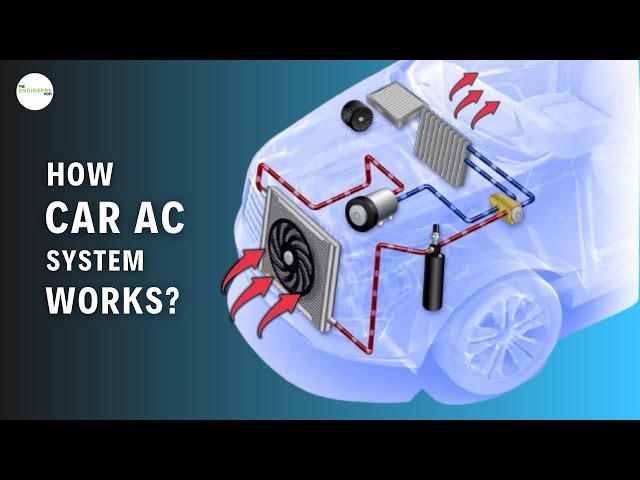
Have you ever wondered what happens when you press that cool air button in your car? Your automobile air conditioner does more than just blow cold air—it creates a comfortable space no matter how hot it gets outside.
Understanding how your car’s air conditioner works can help you appreciate this amazing system and even spot problems before they get serious. You’ll discover the simple steps behind the cooling process and learn how each part plays a key role.
Ready to see what keeps your ride cool and fresh? Let’s dive in.
Basic Components
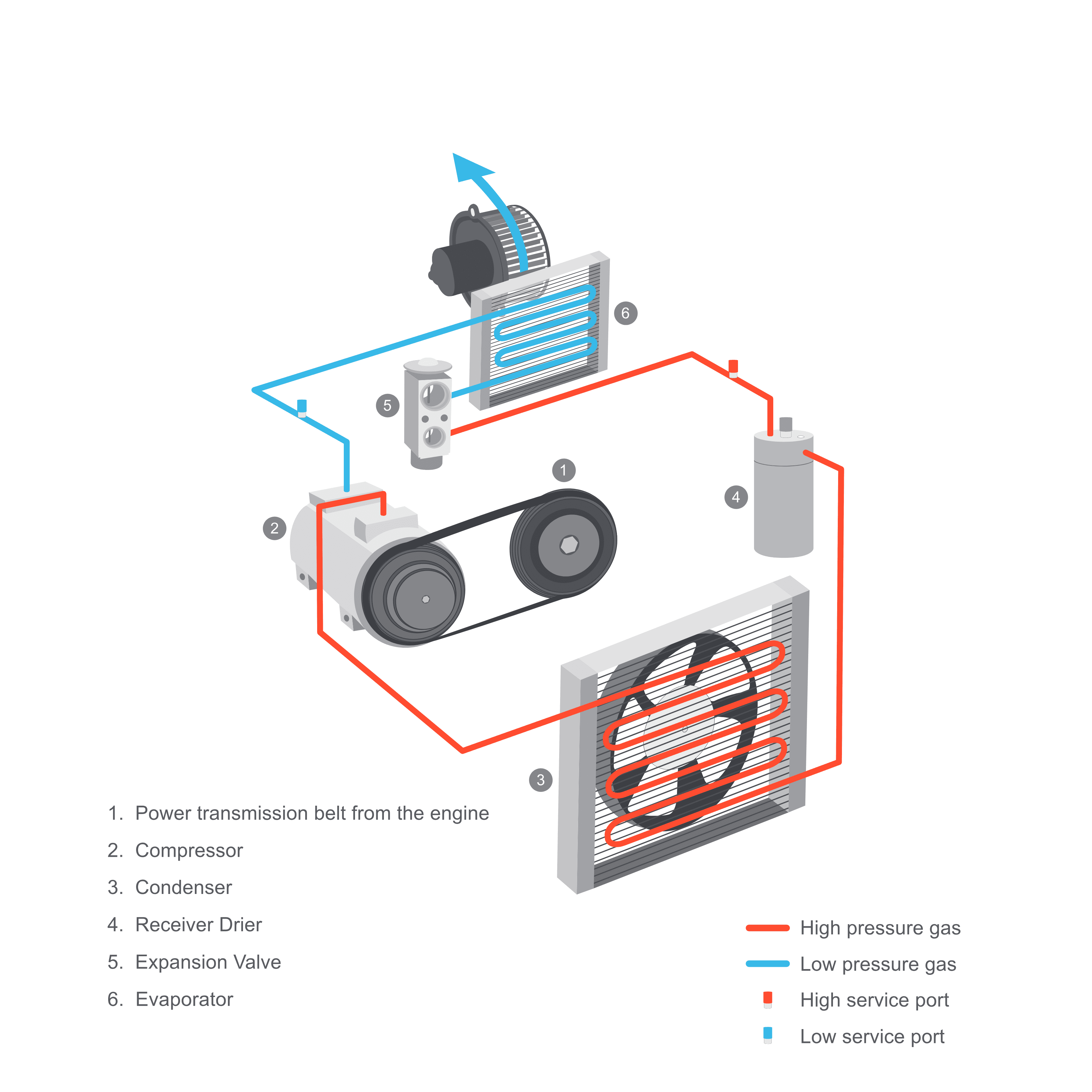
An automobile air conditioner cools the car’s interior by moving heat outside. It uses four main parts to do this job.
Each part has a special role. They work together to keep the air inside fresh and cool.
Compressor
The compressor pumps refrigerant gas through the air conditioning system. It raises the pressure and temperature of the gas.
This part is like the heart of the system. It moves the refrigerant to the condenser for cooling.
Condenser
The condenser cools the hot refrigerant gas from the compressor. It changes the gas into a liquid by releasing heat outside the car.
This part looks like a small radiator in front of the car’s main radiator. It helps remove heat from the refrigerant.
Evaporator
The evaporator absorbs heat from the car’s air. It turns the refrigerant liquid back into a gas by taking heat from inside the car.
This cools the air that then blows into the car’s cabin. It works like a small cooling coil inside the dashboard.
Expansion Valve
The expansion valve controls the flow of refrigerant into the evaporator. It lowers the pressure of the liquid refrigerant.
This lets the refrigerant expand and cool before it enters the evaporator. It helps keep the system balanced and efficient.
Credit: carwood.com
Cooling Cycle
The automobile air conditioner uses a cooling cycle to lower the temperature inside the car. It works by moving heat from the cabin to the outside air.
This cycle depends on the refrigerant, a special fluid that changes between gas and liquid to absorb and release heat.
Refrigerant Compression
The cooling cycle starts when the refrigerant gas enters the compressor. The compressor squeezes the gas, raising its pressure and temperature.
This hot, high-pressure gas then moves to the next part of the system.
Heat Dissipation
The hot gas travels to the condenser, usually located at the front of the car. Here, the refrigerant releases heat to the outside air and cools down.
- The condenser cools the gas by air flowing over its coils
- The refrigerant changes from hot gas to warm liquid
- Heat leaves the system and enters the outside air
Expansion And Cooling
The warm liquid passes through an expansion valve. This valve lowers the pressure of the refrigerant, causing it to cool quickly.
| Stage | Refrigerant State | Pressure | Temperature |
|---|---|---|---|
| Before Expansion Valve | Liquid | High | Warm |
| After Expansion Valve | Liquid and Gas Mix | Low | Cold |
Air Circulation
The cold refrigerant flows through the evaporator inside the car. Air from the cabin blows over the evaporator coils.
The air cools down and dries as heat moves from the air to the refrigerant. The cooled air then circulates back into the cabin.
Role Of Refrigerant
The refrigerant is a key part of an automobile air conditioner. It moves heat from inside the car to the outside. This keeps the car cool and comfortable.
The refrigerant changes from liquid to gas and back. This change helps it absorb and release heat. Without refrigerant, the air conditioner cannot work.
Types Of Refrigerants
Different refrigerants have been used in car air conditioners over the years. Each type has unique features and safety levels.
- R-12: An older refrigerant, phased out due to environmental harm.
- R-134a: Common in many cars, less harmful but still has some impact.
- R-1234yf: Newer and more eco-friendly refrigerant used in modern vehicles.
Properties That Enable Cooling
The refrigerant needs special properties to work well in cooling. It must easily change states and carry heat efficiently.
| Property | Importance |
| Low Boiling Point | Helps refrigerant evaporate quickly to absorb heat |
| High Heat Absorption | Allows taking more heat from the car interior |
| Non-Toxic | Safe for passengers and mechanics |
| Non-Flammable | Reduces risk of fire accidents |
Environmental Impact
Refrigerants can affect the environment in different ways. Some harm the ozone layer or add to global warming.
Environmental effects of refrigerants include:
- Ozone Layer Depletion: Certain refrigerants break down ozone in the atmosphere.
- Global Warming Potential: Some refrigerants trap heat and raise Earth’s temperature.
- Regulations: Many countries restrict harmful refrigerants to protect the environment.
Temperature Control
An automobile air conditioner keeps the car cool by controlling the temperature inside the cabin. It uses different parts to adjust the air temperature and flow.
Understanding how temperature control works helps you use the air conditioner better and stay comfortable during drives.
Thermostat Function
The thermostat measures the temperature inside the car. It tells the air conditioner when to cool or stop cooling.
When the cabin gets too warm, the thermostat signals the system to start cooling. When the right temperature is reached, it stops the cooling.
Blower Fan Operation
The blower fan moves air through the air conditioner and into the cabin. It controls how much air flows inside.
You can adjust the fan speed to increase or decrease airflow. Faster fan speeds cool the cabin quicker.
- Low speed for gentle airflow
- Medium speed for balanced cooling
- High speed for quick cooling
Cabin Air Distribution
The air conditioner sends cool air to different parts of the cabin. This is called air distribution.
You can direct the air to your face, feet, or windshield. This helps keep you comfortable and improves visibility.
- Face vents for cool air at head level
- Floor vents to warm or cool feet
- Defrost vents to clear windshield fog
Common Issues
Car air conditioners can stop working well for many reasons. Knowing common problems helps you fix them fast.
Below are some usual issues that affect how an automobile air conditioner cools your car.
Refrigerant Leaks
The refrigerant is the liquid that cools the air inside your car. If it leaks, the air conditioner stops cooling well.
Leaks can happen in hoses, seals, or connections due to age or damage. Low refrigerant means less cold air.
- Signs include warm air from vents and hissing sounds.
- Leaks can cause damage to the compressor.
- Fixing leaks requires a mechanic to find and seal them.
Compressor Failures
The compressor moves refrigerant through the system. If it fails, the air conditioner will not cool the air.
Common causes are worn parts, lack of lubrication, or electrical issues. A broken compressor makes noise or stops working.
- Compressor failure may cause the AC to blow warm air.
- It can also cause strange noises like grinding or clanking.
- Replacing the compressor is often needed to fix this problem.
Clogged Condenser
The condenser cools the hot refrigerant by blowing air over it. Dirt or debris can block the condenser.
A clogged condenser reduces cooling power. The air conditioner might blow warm air or overheat.
- Leaves, bugs, and dirt often clog the condenser fins.
- Blocked airflow causes higher pressure and poor cooling.
- Cleaning the condenser regularly keeps the AC working well.
Electrical Problems
Electrical issues can stop the air conditioner from turning on or working correctly. Fuses, switches, or wiring might fail.
Faulty sensors or relays may also cause irregular AC performance. These problems need a professional to diagnose and fix.
- Blown fuses can stop the AC compressor from working.
- Bad switches or wiring cause the AC controls to fail.
- Electrical faults can cause intermittent or no cooling.

Credit: www.youtube.com
Maintenance Tips
Keeping your automobile air conditioner in good shape helps it cool better. Regular maintenance stops problems early.
Follow simple care steps to make your AC last longer and work efficiently.
Regular Inspection
Check your AC system often for leaks, strange noises, or weak airflow. Look at belts and hoses for cracks or wear.
Refrigerant Recharge
The refrigerant cools the air inside your car. If it is low, your AC cools less. Recharge the refrigerant if needed.
- Monitor cooling performance regularly
- Recharge only when pressure is low
- Use the correct refrigerant type
- Avoid overcharging the system
Cleaning Components
Dirt and dust can block parts like the condenser and evaporator. Clean these parts to keep airflow smooth.
| Component | Cleaning Frequency |
| Condenser | Every 6 months |
| Evaporator | Yearly |
| Air Filters | Every 3 months |
Professional Servicing
Get a trained mechanic to check your AC system yearly. They test all parts and fix hidden issues.
Professional service includes:
- System pressure test
- Leak detection
- Compressor check
- Electrical system inspection
Energy Efficiency
An automobile air conditioner cools the car interior by removing heat. It uses energy from the engine or battery to run the compressor and fans. This energy use affects the car’s overall fuel efficiency.
Understanding how an air conditioner impacts energy can help drivers reduce fuel use and lower emissions. Efficient cooling systems save energy and cut costs.
Fuel Consumption Impact
Using the air conditioner increases fuel consumption. The compressor uses power from the engine, making it work harder. This effect varies by vehicle type and outside temperature.
| Condition | Fuel Consumption Increase |
|---|---|
| City Driving | 5% – 10% |
| Highway Driving | 2% – 5% |
| Hot Climate | Up to 15% |
| Electric Vehicles | Increased battery use |
Improving Efficiency
Drivers can improve air conditioner efficiency with simple steps. Proper maintenance and smart use lower energy waste and fuel costs.
- Park in the shade to reduce cooling load
- Use the AC only when needed, avoid max cooling
- Keep windows closed while AC runs
- Service the AC system regularly to maintain performance
- Use recirculation mode to cool air faster
Eco-friendly Alternatives
New technologies offer greener ways to cool cars. These options reduce energy use and pollution.
| Alternative | Description | Energy Impact |
|---|---|---|
| Solar-Powered Ventilation | Uses solar panels to run fans that cool car interior. | Reduces battery load, saves fuel. |
| Electric Vehicle Heat Pumps | Heat pumps cool and heat efficiently in EVs. | Improves battery range. |
| Eco-Friendly Refrigerants | New refrigerants have lower global warming potential. | Less environmental harm. |

Credit: www.youtube.com
Frequently Asked Questions
What Is The Purpose Of An Automobile Air Conditioner?
An automobile air conditioner cools and dehumidifies the car’s interior. It creates a comfortable environment by maintaining a desired temperature. This system helps enhance driving comfort, especially during hot weather. Additionally, it improves safety by reducing driver fatigue and maintaining clear windows, which can fog up without proper ventilation.
How Does An Ac Compressor Function?
The AC compressor circulates refrigerant through the system. It compresses the refrigerant, turning it into a high-pressure gas. This gas then moves to the condenser, where it cools and liquefies. The compressor is powered by the engine and is crucial for the air conditioner’s operation.
What Role Does The Condenser Play?
The condenser cools and converts refrigerant gas into liquid. It dissipates heat absorbed from the car’s interior to the outside air. Located at the front of the car, it uses airflow to assist in cooling. This process is essential for effective air conditioning performance.
How Does The Evaporator Cool The Air?
The evaporator absorbs heat from the car’s interior air. Located inside the dashboard, it contains cold refrigerant. As warm air passes over it, the refrigerant absorbs heat, cooling the air. The blower fan then circulates the cooled air throughout the cabin, providing a comfortable temperature.
Conclusion
An automobile air conditioner cools the car by moving heat outside. It uses a compressor, condenser, and evaporator to change the air temperature. Cool air flows inside while warm air leaves the system. This process helps keep drivers and passengers comfortable on hot days.
Knowing how it works can help you maintain your car better. Regular checks keep the system running well and avoid breakdowns. Staying cool on the road becomes easier with a working air conditioner. Simple parts work together to create a cool, fresh environment inside your vehicle.