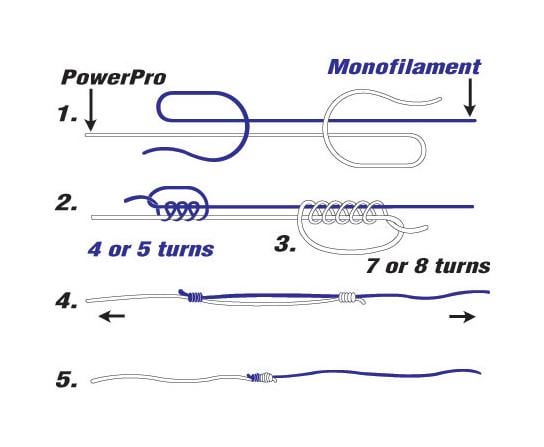
If you’re using braided fishing line, you already know it’s strong and sensitive—but tying the right knot can be tricky. You might have struggled with knots slipping or breaking, losing your catch and feeling frustrated.
What if you could master simple, reliable knots that hold tight every time? This guide will show you exactly how to knot braided fishing line so your gear stays secure and your fishing experience gets better. Keep reading, and you’ll soon fish with confidence and skill.

Credit: www.wikihow.com
Choosing The Right Knot
Using the right knot is important for braided fishing lines. Braided lines are strong but slippery. Picking the right knot helps keep your line secure and prevents it from breaking.
This guide explains the best knots for braided lines and compares their strength. Understanding these knots will help you fish with confidence.
Best Knots For Braided Line
Braided lines need knots that hold tight without slipping. Some knots work better than others. Here are the most reliable knots for braided lines:
- Palomar Knot – Simple and very strong for braided lines.
- Improved Clinch Knot – Common and easy to tie, good for light lines.
- Uni Knot – Versatile and holds well on slippery braid.
- Double Uni Knot – Great for joining two braided lines or leader lines.
- FG Knot – Thin and strong, ideal for connecting braid to fluorocarbon leaders.
Knot Strength Comparison
Strength varies among knots. Choosing a knot with high strength saves your line from breaking. The table below compares the strength of common knots with braided fishing line.
| Knot | Strength (% of line test) | Ease of Tying | Best Use |
|---|---|---|---|
| Palomar Knot | 95% | Easy | General use, strong hold |
| Improved Clinch Knot | 85% | Easy | Light lines, quick tying |
| Uni Knot | 90% | Medium | Versatile, good for braid |
| Double Uni Knot | 92% | Medium | Joining lines |
| FG Knot | 98% | Hard | Connecting braid to leader |

Credit: www.reddit.com
Preparing The Line
Preparing braided fishing line before tying a knot is important. It helps the knot hold better and lasts longer.
This step reduces problems like slipping or breaking. Taking time to prepare your line makes fishing easier.
Trimming And Moistening
Trim the end of the braided line cleanly before tying the knot. Use sharp scissors or a line cutter for a smooth cut.
Moisten the line with water or saliva before tightening the knot. This lowers friction and stops the line from burning.
- Cut the line straight for a neat end
- Wet the line to reduce heat and wear
- Handle the line gently to keep it strong
Avoiding Frays
Frays weaken the braided fishing line and cause knots to fail. Avoid rough handling that can damage the fibers.
Keep the line away from sharp edges and rough surfaces. Check the line for frays before tying and trim if needed.
- Inspect the line for any visible frays
- Cut off frayed sections to keep line strong
- Store line properly to prevent damage
Step-by-step Knot Techniques
Tying knots in braided fishing line can be tricky. The right knot keeps your line strong and secure. This guide shows easy steps for three popular knots.
Learn how to tie the Palomar Knot, Double Uni Knot, and Improved Clinch Knot with clear instructions. Use these knots for different fishing needs.
Palomar Knot
The Palomar Knot is strong and simple. It works well with braided lines and keeps line strength high.
- Double about 6 inches of line and pass it through the hook eye.
- Tie a loose overhand knot with the doubled line.
- Pass the hook through the loop of the overhand knot.
- Pull on both the tag end and standing line to tighten the knot.
- Trim the tag end close to the knot.
Double Uni Knot
The Double Uni Knot joins two lines of similar or different thickness. It is useful for tying leaders to braided mainlines.
| Step | Action |
|---|---|
| 1 | Overlap the two line ends about 6 inches. |
| 2 | Make a loop with one line over the other and wrap the tag end 4-6 times. |
| 3 | Pull the tag end to tighten the wraps and repeat with the other line. |
| 4 | Pull both standing lines to slide the knots together. |
| 5 | Trim the tag ends close to the knots. |
Improved Clinch Knot
The Improved Clinch Knot is popular for attaching line to hooks or lures. It holds well with braided fishing line.
- Pass the line through the hook eye.
- Wrap the tag end around the standing line 5 to 7 times.
- Thread the tag end through the small loop near the hook eye.
- Then pass the tag end through the big loop you just made.
- Pull the tag end and standing line to tighten the knot.
- Trim the tag end close to the knot.

Credit: www.youtube.com
Tips For Tightening Knots
Tying knots with braided fishing line needs care. Tight knots keep your line strong and safe.
These tips help you tighten knots properly. Strong knots stop fish from escaping.
Maintaining Line Tension
Keep the line tight while you tie the knot. Loose lines cause knots to slip or fail.
Pull the line slowly and evenly. Avoid jerking or quick pulls that can damage the line.
- Hold the tag end and main line firmly
- Pull both ends with steady force
- Keep the knot wet to reduce friction
- Do not over-tighten to avoid breaking the line
Checking Knot Security
After tightening, check the knot for strength. A weak knot can come undone when fishing.
Test by pulling hard on both line ends. The knot should hold without slipping or loosening.
- Look for any gaps in the knot
- Make sure the knot is tight and neat
- Retie the knot if it slips or feels loose
- Practice tying knots to improve skill
Common Mistakes To Avoid
Knotting braided fishing line needs care and skill. Many anglers make simple mistakes that weaken their knots.
Avoiding these errors helps your line hold better and prevents losing fish or gear.
Overtightening
Pulling the knot too tight can damage braided line fibers. This weakens the knot and makes it more likely to break.
Use steady pressure when tightening. Stop once the knot feels snug and secure.
Skipping Moistening
Failing to wet the knot before tightening creates friction. This friction can cut the line and reduce knot strength.
- Use water or saliva to moisten the line.
- Moisten the knot before pulling it tight.
- This helps the line slide smoothly and protects the fibers.
Using Wrong Knot
Not all knots work well with braided lines. Some knots slip or fail under pressure.
| Knot Type | Suitability for Braided Line |
| Palomar Knot | Strong and reliable |
| Improved Clinch Knot | Less secure with braid |
| Double Uni Knot | Good for joining lines |
| Arbor Knot | Good for attaching to spool |
| Loop Knot | Can slip if not tied properly |
Testing Knot Strength
Checking knot strength is key when using braided fishing line. Strong knots help avoid losing fish.
Testing ensures your knots hold well under pressure. You can test knots in simple ways.
Manual Pull Test
Grab the line on each side of the knot. Pull it slowly but firmly. This test checks how tight the knot is.
If the knot slips or breaks easily, retie it. A good knot should stay tight without slipping.
- Hold the line close to the knot.
- Pull the line steadily with your hands.
- Feel if the knot tightens or slips.
- Retie if the knot feels loose or weak.
Practical On-water Testing
Try fishing with your knotted line in real water. This shows how knots hold under real conditions.
Catch a few fish or test with weights. Watch if knots stay firm or fail during use.
- Cast your line and reel it back several times.
- Try catching fish to test knot strength.
- Use weights to simulate fish pulling force.
- Check knots after each test for damage.
Frequently Asked Questions
How To Start Knotting Braided Fishing Line?
To start knotting braided fishing line, choose a reliable knot like the Palomar or Uni knot. Ensure the line is wet before tightening to prevent damage. Practice the knot slowly to understand the process and ensure strength. Properly tied knots maximize the efficiency and durability of your fishing line.
What Is The Best Knot For Braided Line?
The Palomar knot is often recommended for braided line. It’s simple, strong, and maintains nearly 100% line strength. This knot is effective for securing hooks, lures, or swivels. Ensure the knot is tightened evenly to avoid slipping. The Palomar knot is a favorite among anglers for its reliability.
Why Does Braided Line Require Special Knots?
Braided line is slick and strong, requiring specific knots to avoid slippage. Traditional knots may not hold well due to the line’s unique texture. Using knots like the Palomar or Uni ensures maximum strength and security. These knots are designed to handle the distinct properties of braided fishing line effectively.
How To Prevent Braided Line From Slipping?
To prevent braided line from slipping, use knots designed for its texture. Ensure the knot is tight and the line is wet before tightening. This reduces friction and increases grip. Regularly check knots for wear and retie as necessary. Properly tied knots ensure a secure and successful fishing experience.
Conclusion
Knowing how to knot braided fishing line makes fishing easier. Strong knots hold your line better and stop it from slipping. Practice these simple steps often to build confidence. Each knot type suits different fishing needs and gear. Keep your line tight and check knots before casting.
Good knots help catch more fish and prevent losing gear. Try these tips on your next fishing trip for success. Small efforts bring big results on the water.