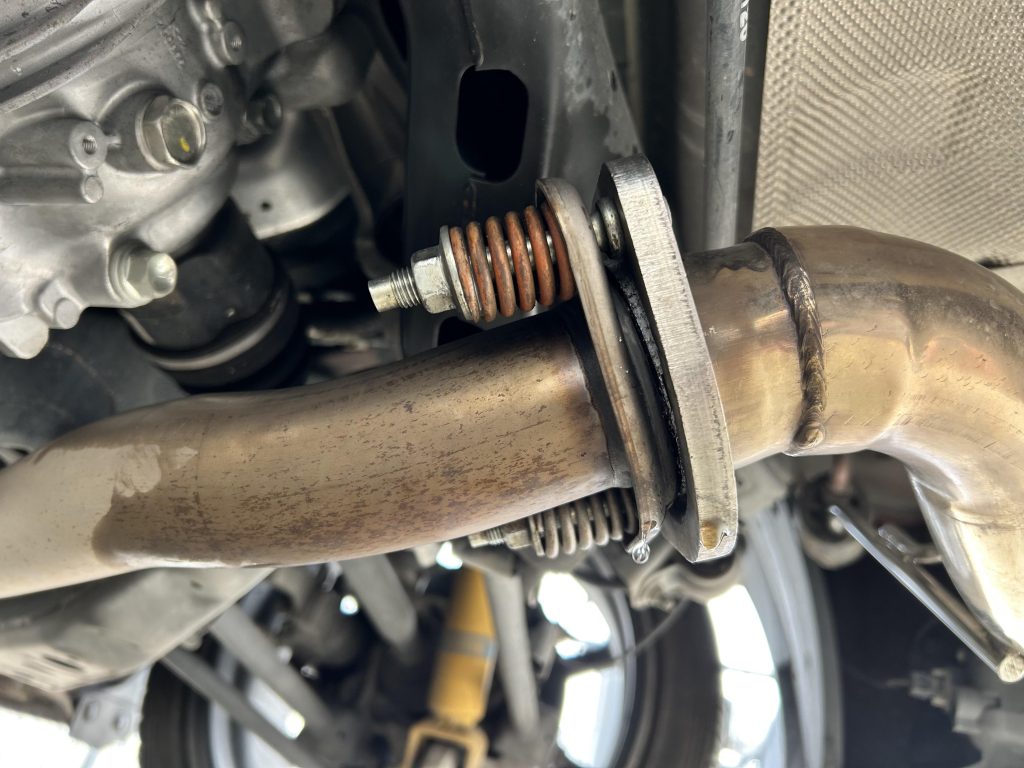
A leaking exhaust system can cause more problems than you might think. You may not notice it at first, but it can affect your car’s performance, your safety, and even your wallet.
If you want to keep your vehicle running smoothly and avoid costly repairs, understanding what a leak can do is crucial. Keep reading to find out how a small crack or hole in your exhaust can lead to big issues—and what you can do about it before it’s too late.
Signs Of An Exhaust Leak
An exhaust leak can cause serious problems for your vehicle. It affects performance and safety.
Knowing the signs of a leak helps you fix it early. This keeps your car running well.
Unusual Noises
A leaking exhaust often makes strange sounds. You may hear hissing or loud rumbling noises.
These sounds are louder when you speed up or start the engine. They come from the leak spot.
Decreased Fuel Efficiency
An exhaust leak can lower your car’s fuel efficiency. Your vehicle uses more gas than usual.
This happens because the engine works harder to push out gases. You will notice more frequent stops at the pump.
Strong Odors Inside Vehicle
Leaks let exhaust fumes enter your car’s cabin. You might smell strong gas or fumes while driving.
This is dangerous because exhaust contains harmful gases. It can cause headaches or dizziness.
Visible Damage Or Rust
Check the exhaust system for rust or holes. These signs show where leaks may form.
Damage often appears near joints or bends. Rust weakens the metal and causes cracks.
- Look for holes or cracks on pipes
- Check for rust patches or flaking metal
- Notice if parts hang lower than usual
How Leaks Damage Your Car
A leaking exhaust system can cause several problems for your car. It affects how your engine runs and can harm other parts. Understanding these issues helps you keep your vehicle in good shape.
This guide explains four main ways leaks damage your car. Each section shows why fixing leaks matters.
Engine Performance Issues
A leak in the exhaust system changes the air and fuel mix in the engine. This leads to poor engine performance and lower power. You might notice rough idling and less acceleration.
Increased Emissions
Leaks let harmful gases escape before they are treated. This causes the car to emit more pollution. It can also fail emissions tests required by law.
- More carbon monoxide released
- Higher nitrogen oxide emissions
- Increased hydrocarbons in the air
Corrosion And Rust
Exhaust leaks cause moisture to build up. This moisture speeds up rust and corrosion on pipes and nearby parts. Over time, this can lead to costly repairs.
Impact On Other Components
| Component | Effect of Exhaust Leak |
|---|---|
| Oxygen Sensor | Incorrect readings causing engine errors |
| Catalytic Converter | Damage from unfiltered gases |
| Fuel System | Reduced fuel efficiency |
| Interior Cabin | Fumes entering passenger area |
Health Risks From Exhaust Fumes
A leaking exhaust system can release harmful gases into the air. These fumes pose serious health risks to people nearby. Understanding these dangers helps protect yourself and your family.
Exhaust fumes contain toxic substances that affect the body in different ways. This article explains the main health risks caused by exposure to these gases.
Carbon Monoxide Poisoning
Carbon monoxide is a colorless, odorless gas found in exhaust fumes. Breathing it in can cause poisoning. Early signs include headache, dizziness, and nausea.
High levels of carbon monoxide can lead to loss of consciousness or even death. It stops the blood from carrying oxygen to the body’s organs.
Respiratory Problems
Exhaust fumes contain particles that irritate the lungs and airways. People exposed to these particles may develop coughing, wheezing, and shortness of breath.
- Asthma attacks can become more frequent and severe.
- Bronchitis and other lung infections may occur.
- Long-term exposure can reduce lung function.
Long-term Exposure Effects
Continuous breathing of exhaust fumes can cause chronic health problems. These include heart disease, lung cancer, and nerve damage.
| Health Effect | Description |
|---|---|
| Heart Disease | Damage to the heart and blood vessels due to toxins. |
| Lung Cancer | Increased risk from prolonged inhalation of harmful chemicals. |
| Nerve Damage | Problems with memory, concentration, and coordination. |
Vulnerable Groups
Some people face higher risks from exhaust fumes. These groups need extra protection and care.
- Children with developing lungs.
- Older adults with weaker immune systems.
- People with asthma or other lung diseases.
- Pregnant women, due to risks to the baby.
Credit: www.defendersource.com
Common Causes Of Exhaust Leaks
A leaking exhaust system can cause noise, reduce fuel efficiency, and harm the environment. Understanding common causes helps keep your vehicle safe.
Exhaust leaks happen for different reasons. Knowing these reasons helps you spot issues early and fix them fast.
Wear And Tear
Over time, exhaust parts wear out from heat and use. Rubber seals crack, and metal parts become weak. This natural aging causes small leaks that grow bigger.
Physical Damage
Road debris or hitting objects can dent or crack the exhaust system. This damage creates holes or breaks in pipes, leading to leaks.
Poor Installation
If the exhaust system is not installed correctly, leaks may form. Loose bolts, wrong fittings, and missing gaskets cause gaps for gas to escape.
- Loose clamps and bolts
- Incorrect gasket placement
- Using wrong pipe sizes
- Failure to tighten connections
Corrosion
| Corrosion Type | Cause | Effect |
|---|---|---|
| Rust | Water and salt exposure | Weakens metal, creates holes |
| Oxidation | Heat and oxygen | Surface damage, cracks |
| Electrochemical | Contact with different metals | Metal breakdown, leaks |
Detecting Exhaust Leaks Safely
A leaking exhaust system can cause problems for your car and health. It is important to find leaks early. Always check safely to avoid injury.
Exhaust leaks can be hard to spot. Use your eyes, nose, and ears to detect signs. Some tools also help find leaks more accurately.
Visual Inspection Tips
Look under your car for holes or cracks in the exhaust pipes. Check where parts connect, like the joints and clamps. Rust or black soot may show leaks.
- Park the car on a flat surface and let the exhaust cool down.
- Use a flashlight to see dark areas clearly.
- Look for rust, holes, or broken parts.
- Check clamps and hangers for tightness.
Using Smell And Sound
Exhaust leaks often create strong smells. You might notice a sharp or burnt odor inside or near the car. Listen for unusual sounds like hissing or popping.
- Smell for exhaust fumes inside the vehicle, especially in the cabin.
- Listen for loud or unusual noises while the engine runs.
- Pay attention to increased engine noise or vibrations.
Professional Diagnostic Tools
Mechanics use special tools to find exhaust leaks that are hard to see or hear. These tools can detect leaks safely and accurately.
- Smoke machines fill the exhaust with smoke to show leaks clearly.
- Ultrasonic leak detectors pick up sounds beyond human hearing.
- Gas analyzers check exhaust gases for signs of leaks.
Credit: www.crvownersclub.com
Repair Options For Leaking Exhausts
A leaking exhaust system can cause noise and reduce fuel efficiency. It also lets harmful gases escape. Fixing it quickly is important for safety and performance.
There are several repair options to consider. Some fixes are temporary, while others involve replacing parts or professional services.
Temporary Fixes
Temporary fixes help reduce leaks until a full repair can be done. They are easy and quick but not long-lasting.
Common temporary fixes include using exhaust tape or sealant. These materials cover small holes or cracks to stop leaks.
- Exhaust tape wraps around the leak area tightly
- Sealant fills small holes and hardens quickly
- Temporary patches can also be applied over holes
Replacement Parts
Replacing damaged parts is a good way to fix leaks permanently. Common parts to replace include mufflers, pipes, and gaskets.
New parts restore the exhaust system’s function and prevent future leaks. Always choose parts that fit your vehicle.
- Mufflers reduce noise and may need replacement
- Exhaust pipes can rust or crack over time
- Gaskets seal connections and prevent leaks
Professional Repair Services
Professional mechanics can find and fix leaks more accurately. They use tools to inspect the exhaust system fully.
They can replace parts, weld cracks, or perform custom repairs. Professionals ensure the job is done safely and correctly.
- Inspection with diagnostic tools
- Welding broken exhaust sections
- Replacing worn-out components
- Testing after repair to confirm no leaks
Cost Considerations
Repair costs depend on the damage and repair type. Temporary fixes cost less but last shorter.
Replacing parts and professional services cost more but offer a permanent fix. Always compare prices before choosing.
| Repair Option | Cost Range | Longevity |
|---|---|---|
| Temporary Fixes | Low | Short-term |
| Replacement Parts | Medium | Long-term |
| Professional Services | High | Long-term |
Preventing Exhaust Leaks
A leaking exhaust system can cause noise, reduce fuel efficiency, and harm the environment.
Preventing exhaust leaks helps keep your vehicle safe and running smoothly.
Regular Maintenance
Check your exhaust system often for rust, cracks, or loose parts. Clean the system to avoid buildup.
- Inspect pipes and mufflers every six months
- Look for holes or rust spots
- Listen for unusual noises
- Keep the undercarriage clean
Avoiding Road Hazards
Watch the road to avoid bumps, potholes, and debris. These can damage your exhaust system.
Slow down on rough roads and keep a safe distance from other vehicles to reduce risk.
Timely Repairs
Fix small exhaust problems quickly before they get worse. Ignoring leaks can cause bigger damage.
| Signs of Exhaust Leak | Action Needed |
| Loud noise from exhaust | Check and repair immediately |
| Strong smell of fumes | Inspect for leaks and fix |
| Reduced fuel efficiency | Service exhaust system |
Quality Parts
Use high-quality replacement parts to ensure durability and proper fit. Cheap parts may fail early.
Good parts to consider:
- Stainless steel pipes
- OEM mufflers
- High-temperature gaskets
- Durable clamps and hangers

Credit: www.reddit.com
Frequently Asked Questions
What Are The Signs Of A Leaking Exhaust System?
A leaking exhaust system often causes unusual noises, reduced fuel efficiency, and strong fumes. You may also notice a decrease in engine performance. If the exhaust leak is severe, it can cause vibrations or a check engine light to illuminate.
Can A Leaking Exhaust System Be Dangerous?
Yes, a leaking exhaust system can be very dangerous. It can allow harmful gases like carbon monoxide to enter the cabin. Long-term exposure to these gases can lead to serious health issues. It’s crucial to repair any exhaust leaks promptly.
How Does A Leaking Exhaust Affect Fuel Efficiency?
A leaking exhaust system can significantly reduce fuel efficiency. The engine may work harder to maintain performance, consuming more fuel. This inefficiency can lead to increased fuel costs. Addressing exhaust leaks can help improve your vehicle’s overall fuel economy.
How Much Does It Cost To Fix A Leaking Exhaust?
The cost to repair a leaking exhaust system varies. It depends on the extent of the damage and parts needed. On average, repairs can range from $100 to $600. It’s advisable to consult a professional mechanic for a precise estimate based on your vehicle’s condition.
Conclusion
A leaking exhaust system affects your car’s safety and performance. It can cause harmful gases to enter the cabin. Fuel efficiency will drop, costing you more money. Your vehicle may fail emissions tests. Noise from the leak can be very loud and annoying.
Fixing the leak early saves you from bigger problems. Keep your car running smoothly and your passengers safe. Always check your exhaust if you notice strange smells or sounds. Taking care of this issue helps your car last longer. Don’t ignore a leaking exhaust system.