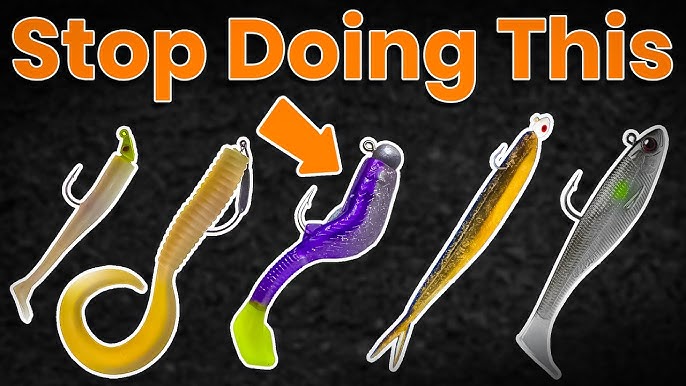
If you want to catch more fish and enjoy your time on the water, learning how to fish with plastic lures is a smart move. Plastic lures can mimic real bait perfectly, making fish more likely to bite.
But using them the right way takes some skill. You’ll discover simple tips and tricks to make your plastic lures irresistible to fish. By the end, you’ll feel confident and ready to reel in bigger, more exciting catches. Keep reading, because your next great fishing story starts here.
Choosing The Right Plastic Lures
Plastic lures are popular for many fishing styles. They can look like real bait and move in water to attract fish.
Choosing the right plastic lure helps catch more fish. This guide shows how to pick the best lure for your fishing needs.
Types Of Plastic Lures
There are several types of plastic lures. Each type works best in different water and fish conditions.
- Grubs:Small, curly tails that move well in water. Good for many fish species.
- Worms:Long and flexible. They mimic real worms and attract bass and other fish.
- Creature Baits:Shaped like small animals or insects. Great for bottom fishing.
- Swimbaits:Designed to look like small fish. They swim with a natural motion.
- Tube Baits:Hollow and soft. They create vibration that attracts fish.
Matching Lures To Fish Species
Different fish prefer different lures. Match the lure type to the fish species for better results.
| Fish Species | Best Plastic Lure |
| Bass | Worms, Creature Baits, Swimbaits |
| Trout | Grubs, Small Swimbaits |
| Panfish | Grubs, Small Worms |
| Walleye | Tube Baits, Swimbaits |
| Catfish | Creature Baits, Worms |
Color And Size Selection
Choose lure color based on water clarity and light. Size depends on the fish you want to catch.
- Clear Water:Use natural colors like green, brown, or clear.
- Murky Water:Bright colors like chartreuse, orange, or white work better.
- Small Fish:Pick smaller lures, usually 2 to 3 inches long.
- Large Fish:Use bigger lures, 4 inches or more.
- Light Conditions:On cloudy days, brighter colors are more visible.
Setting Up Your Gear
Fishing with plastic lures needs the right gear. Setting up your rod, reel, line, and hooks helps catch more fish.
Learn how to choose the best rod and reel, pick the right line and hooks, and rig your plastic lures properly.
Rod And Reel Recommendations
Use a medium-action rod that feels balanced and light. A spinning reel works well for most plastic lures. It makes casting easier and controls the lure better.
- Choose rods 6 to 7 feet long for better control.
- Select reels with smooth drag systems to handle big fish.
- Match rod power with the size of the plastic lure.
- Use reels with a gear ratio around 5:1 to 6:1 for steady retrieves.
Line And Hook Choices
Pick a line that matches the water and fish type. Fluorocarbon lines are good for clear water. Monofilament lines work well in murky water. Use hooks that fit your lure size and target fish.
| Line Type | Best Use | Strength (lbs) |
| Fluorocarbon | Clear water | 8-12 |
| Monofilament | Murky water | 10-14 |
| Braid | Heavy cover | 20-30 |
| Hook Size | Fish Species | Hook Style |
| 2 to 4 | Bass, Walleye | Wide gap |
| 1/0 to 3/0 | Pike, Musky | Extra wide gap |
Rigging Plastic Lures
Attach your plastic lure to the hook with the right rig. The rig affects how the lure moves in water. It also hides the hook to avoid spooking fish.
- Texas Rig: Insert hook into the lure head and bury the point inside the body. Good for heavy cover.
- Wacky Rig: Hook through the middle of the lure. It makes a fluttering action on the fall.
- Carolina Rig: Use a leader and weight to keep the lure near the bottom. Works well in open water.
- Jig Head: Attach lure to a jig head for a natural swimming action.
Techniques For Effective Casting
Casting with plastic lures takes practice and skill. You need the right technique to reach your target.
Good casting helps your lure move naturally in the water. This attracts more fish and improves your catch rate.
Casting Distance Tips
Long casts let you cover more water and reach distant fish. Use light, flexible rods for better distance.
Make sure your lure is not too heavy or too light. The right weight helps you cast far and control the lure.
- Use a smooth, steady motion to avoid jerky casts
- Release the line at the rod’s highest point for maximum distance
- Practice different casting speeds to find what works best
Best Casting Angles
Angle your cast to match the area you want to fish. Casting too high or too low can reduce accuracy.
A 45-degree angle often gives the best mix of distance and control. Adjust angles based on obstacles and wind.
- Cast low to avoid wind and get more accuracy
- Use sidearm casts for tight spots and quick moves
- Overhead casts work well for open water and longer distance
Adjusting To Water Conditions
Water conditions like wind, current, and waves affect your cast. You must change your style to suit these conditions.
Strong wind calls for shorter, controlled casts. In calm water, you can cast farther and slower to mimic natural movement.
- Cast upstream to let the lure move naturally with the current
- In choppy water, use heavier lures for stable casts
- Adjust your lure speed to match water flow

Credit: www.lurenet.com
Retrieving Strategies
Using plastic lures needs different retrieving techniques. These help attract fish by mimicking real prey movements.
Try various methods to see what works best. Adjust your speed and rhythm to catch more fish.
Slow And Steady Retrieval
Slow and steady retrieval means pulling the lure smoothly through the water. This method works well for shy or cold fish.
Keep your rod tip low and reel evenly. This imitates a calm, easy prey moving in the water.
Twitching And Jerking Motions
Twitching and jerking make the lure move in short bursts. This action looks like a wounded or fleeing baitfish.
- Give quick, sharp pulls on the rod tip
- Let the lure pause slightly between jerks
- Vary the speed to find what attracts fish
- Use this method in clear water or bright light
Pausing And Popping Techniques
Pausing and popping create sudden stops and splashes on the water surface. This can trigger fish to strike quickly.
| Technique | Description | Effect |
|---|---|---|
| Pause | Stop reeling for a few seconds | Makes lure look like resting prey |
| Pop | Pull rod tip sharply to splash water | Attracts fish by making noise and movement |
| Combine | Alternate between popping and pausing | Keeps fish interested and ready to bite |
Reading Water And Fish Behavior
Fishing with plastic lures works best when you understand the water and fish behavior. Fish react to their environment and knowing what they like helps you catch more.
Watching how water moves and where fish hide gives clues about where to cast your lure. This knowledge improves your chances of success.
Identifying Fish Habitats
Fish live where they find food, shelter, and the right water conditions. Look for areas with plants, rocks, or logs. These spots offer hiding places and attract smaller animals fish eat.
Fish often stay near drop-offs, underwater structures, or shallow areas with sunlight. These places provide a good mix of cover and food.
- Weeds and aquatic plants
- Rocky bottoms and ledges
- Sunlit shallow waters
- Structures like logs and fallen trees
- Drop-offs and deep holes
Timing Your Fishing Trips
Fish are more active at certain times of the day. Early morning and late evening are often best because fish look for food then. Midday can be slow, especially in hot weather.
Season changes also affect fish behavior. In spring and fall, fish move more to feed and prepare for spawning or winter.
- Fish feed more at dawn and dusk
- Midday fishing can be less productive
- Spring and fall bring more fish movement
- Adjust your trip times to match fish activity
Weather Impact On Fish Activity
Weather changes affect water temperature and oxygen levels. Fish react by moving to find comfortable conditions. A warm front can make fish active, while cold fronts may slow them down.
Cloudy days often help fish feel safe to feed near the surface. Wind can push food and small creatures to one side of a lake, attracting fish to that area.
- Warm weather increases fish activity
- Cold fronts can reduce fish movement
- Cloudy skies encourage surface feeding
- Wind moves food and fish to sheltered spots

Credit: www.si.com
Maintaining And Storing Plastic Lures
Plastic lures are popular tools for fishing. Keeping them clean and stored properly helps them last longer. This guide covers how to care for your plastic lures after use.
Good maintenance protects your lures from damage and keeps them attractive to fish. Follow these tips to keep your plastic lures in top shape.
Cleaning After Use
After fishing, clean your plastic lures to remove dirt, slime, and salt. This prevents damage and keeps the colors bright. Use fresh water and a soft cloth for cleaning.
- Rinse lures in fresh water immediately
- Use a soft brush to remove stuck debris
- Dry thoroughly with a clean towel
- Avoid harsh chemicals that can harm the plastic
Repairing Damaged Lures
Plastic lures can get damaged from use. Fix them quickly to avoid losing a good lure. Use glue or tape to repair cracks or broken parts.
- Use waterproof glue for cracks or splits
- Replace missing hooks or eyes carefully
- Sand rough edges to prevent snags
- Test repairs before fishing again
Proper Storage Tips
Store plastic lures in a dry and cool place. Avoid direct sunlight and heat to keep the plastic from warping. Organize lures to prevent tangling and damage.
| Storage Tip | Reason |
|---|---|
| Use tackle boxes with compartments | Keeps lures separated and untangled |
| Keep away from direct sunlight | Prevents fading and plastic damage |
| Store in a cool, dry area | Stops plastic from warping or melting |
| Check lures monthly | Find damage early and repair |

Credit: www.youtube.com
Frequently Asked Questions
What Are Plastic Lures Used For In Fishing?
Plastic lures mimic the appearance and movement of real bait. They are used to attract fish by imitating prey. Available in various shapes and colors, they effectively target different fish species. Their versatility makes them popular among anglers for both freshwater and saltwater fishing.
How Do I Choose The Right Plastic Lure?
Consider factors like water conditions, target fish species, and lure action. Bright colors are effective in murky waters, while natural colors work best in clear conditions. Match the lure size with the fish size for optimal results. Experimenting with different lures helps find the most effective one.
Are Plastic Lures Reusable?
Yes, plastic lures are reusable and durable. They can withstand multiple fishing trips. After use, rinse them with fresh water to remove dirt and debris. Inspect for any damage, and store them properly to maintain their quality. Reusing lures saves money and reduces environmental waste.
Do Plastic Lures Work Better Than Live Bait?
Plastic lures offer convenience and versatility over live bait. They don’t require constant replenishing and can be used in various fishing conditions. While some anglers prefer live bait for its natural scent, plastic lures are effective and often easier to use, making them a popular choice.
Conclusion
Plastic lures can catch many types of fish. Choose the right size and color for your spot. Cast your lure smoothly and vary your speed. Watch how fish react and change your style. Practice makes fishing with plastic lures easier.
Enjoy the time outdoors and learn from each trip. Fishing with plastic lures is fun and rewarding. Try different techniques and find what works best. Keep your gear ready and stay patient. Good luck on your next fishing adventure!