
Have you ever wondered if you can put your air conditioner on its side? Maybe you’re moving it, storing it, or just trying to figure out the best way to handle it.
The answer isn’t as simple as you might think. Doing this wrong could damage your unit and cost you more in repairs. But don’t worry—this article will guide you through everything you need to know to keep your air conditioner safe and working perfectly.
Keep reading to avoid costly mistakes and protect your cooling investment.
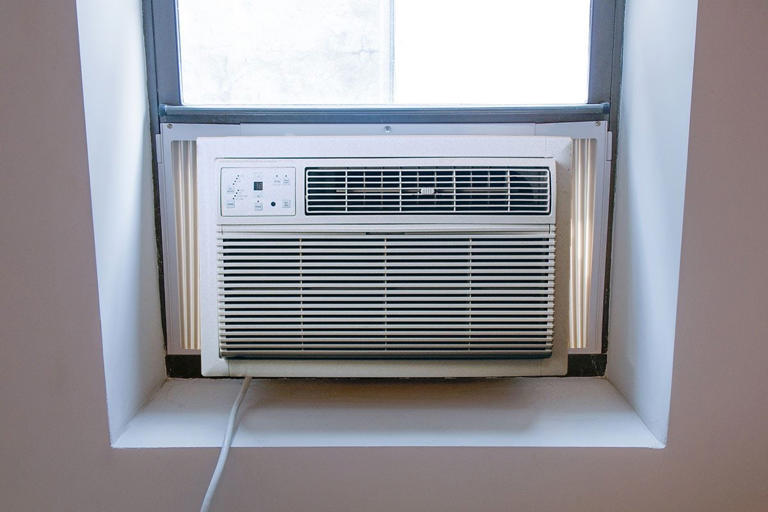
Credit: www.msn.com
Risks Of Placing Ac On Its Side
Placing an air conditioner on its side can cause serious problems. The compressor oilinside may move away from its proper place. This can stop the compressor from working well when the unit is turned on again.
There is a risk of refrigerant leaks. The refrigerant might shift in the pipes and valves. This can cause damage or leaks that reduce cooling power.
Internal parts can also get damaged. Wires and tubes inside the unit are not made to handle pressure or oil moving in the wrong way. This may lead to costly repairs or even break the AC.

Credit: northnjhvac.com
Manufacturer Guidelines
Manufacturers usually advise installing air conditioners in an upright position. This helps the compressor oilstay in place and protects the unit from damage. Laying an air conditioner on its side may cause oil leaksand mechanical problems.
For safe transport, the unit should be kept upright or tilted slightly but never fully on its side. Some brands allow a short tilt, but it is best to check the user manualfor specific instructions.
| Position | Recommended | Reason |
|---|---|---|
| Upright | Yes | Protects compressor and oil flow |
| Slight tilt | Sometimes | Short transport only, check manual |
| On its side | No | Can cause oil leaks and damage |
Safe Ways To Transport An Air Conditioner
Air conditioners must stay upright during moving. Laying them on their side can cause oil to flow into the cooling tubes. This may damage the unit and stop it from working properly. Always carry the unit with the control panel facing up.
Use soft blankets or foam to wrap the air conditioner. This protects it from bumps and scratches. Secure the unit with straps or tape to keep the wrapping in place. Avoid heavy pressure on the unit to prevent damage.
- Do not tilt the unit more than 45 degrees.
- Keep the air conditioner dry and away from rain.
- Do not shake or drop the unit during transport.
- Check the manual for any specific moving instructions.

Credit: www.abt.com
Steps To Take After Side Placement
After placing an air conditioner on its side, it is important to let it settle. This helps the oil and refrigerant inside return to their proper places. Wait at least 4 hoursbefore turning it on. This avoids damage to the compressor.
Next, check the unit for any visible leaks or damage. Look for oil stains or bent parts. If any damage is found, do not use the air conditioner until it is fixed.
Before regular use, test the air conditioner’s performance. Turn it on and listen for strange noises. Check if it cools well and if the airflow is strong. If problems appear, contact a technician.
Long-term Effects Of Side Placement
Placing an air conditioner on its side can cause oil to move away from the compressor. This may lead to damage and reduce the unit’s lifespan over time. Proper handling helps keep the air conditioner working well for years.
Reduced Efficiency
Placing an air conditioner on its side can cause the oil inside to move away from the compressor. This can lead to poor lubrication and make the compressor work harder. The unit may not cool the room as well, increasing energy use and costs.
Increased Repair Costs
Side placement can cause damage to internal parts. The compressor may fail faster due to lack of oil. Repairing these issues often costs more than fixing normal problems. Frequent breakdowns can also shorten the unit’s life.
Warranty Considerations
Many manufacturers do not cover damages caused by placing the unit sideways. This means repairs may not be free if damage occurs this way. It is important to read the warranty terms carefully before changing the unit’s position.
Frequently Asked Questions
Can An Air Conditioner Be Placed On Its Side?
No, placing an air conditioner on its side is not recommended. It can cause compressor damage and malfunction. The unit is designed to work upright for proper lubrication and cooling. Always follow manufacturer guidelines to ensure optimal performance and longevity of your air conditioner.
What Happens If Ac Is On Its Side?
If an AC is placed on its side, oil from the compressor can move incorrectly. This can cause improper lubrication and potential damage. Additionally, it may lead to inefficient cooling and increased wear and tear. Always keep the unit upright to maintain functionality.
How Does Orientation Affect Air Conditioners?
Orientation significantly impacts an air conditioner’s performance. A unit not upright can suffer compressor issues and cooling inefficiencies. This misalignment can lead to overheating and mechanical failure. Proper positioning ensures effective operation and extends the unit’s lifespan.
Is It Safe To Transport Ac Sideways?
Transporting an AC sideways is not ideal. It can lead to oil displacement in the compressor. This may cause start-up issues and operational problems. If necessary, allow the unit to sit upright for 24 hours before use. Always refer to manufacturer instructions for transportation guidance.
Conclusion
Placing an air conditioner on its side can cause damage. Oil inside the unit may leak and harm the compressor. Always keep the air conditioner upright during transport and installation. This helps the unit work properly and last longer. Take care to follow the manufacturer’s instructions for safe handling.
A little caution saves money and prevents future problems. Avoid risks by handling your air conditioner with care. Your unit will cool your space efficiently when treated right. Simple steps make a big difference in its performance.