Cutting braided fishing line might seem simple, but doing it the right way can save you time and frustration on the water. If you’ve ever struggled with frayed ends or weak knots after cutting your line, you’re not alone.
In this guide, you’ll learn easy, effective techniques to make clean cuts that keep your line strong and ready for action. Keep reading, and you’ll discover tips that can improve your fishing experience starting today.
Credit: www.beadinggem.com
Choosing The Right Tools
Cutting braided fishing line needs the right tools. The right tool makes a clean cut without fraying the line.
Using poor tools can damage the line or make it hard to cut. Let’s look at some good options.
Best Scissors For Braided Line
Scissors must be sharp and strong. Look for scissors made with stainless steel or titanium blades.
- Sharp blades cut smoothly without crushing the line.
- Long handles give better control.
- Rust-resistant blades last longer near water.
- Locking handles keep scissors closed safely.
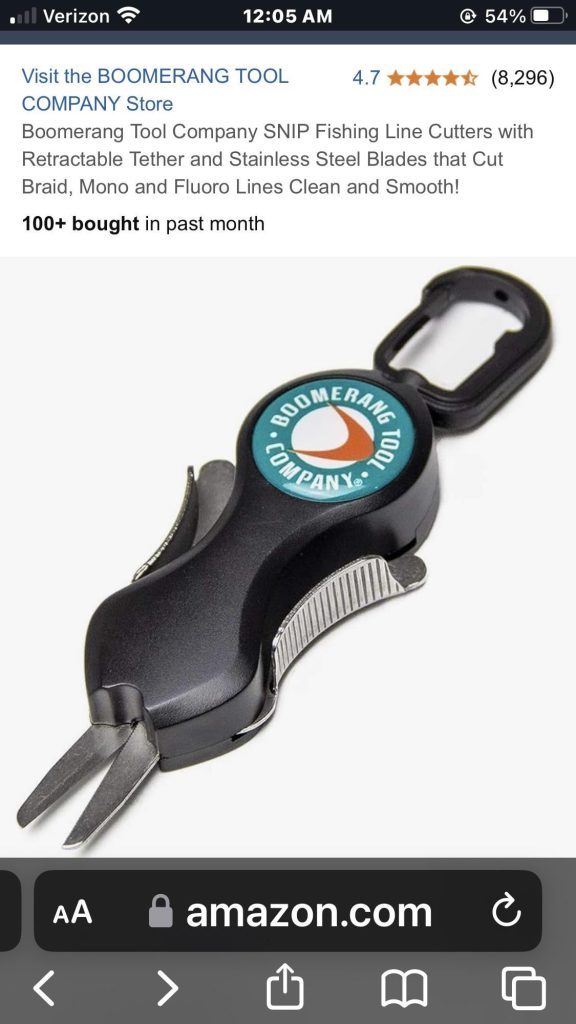
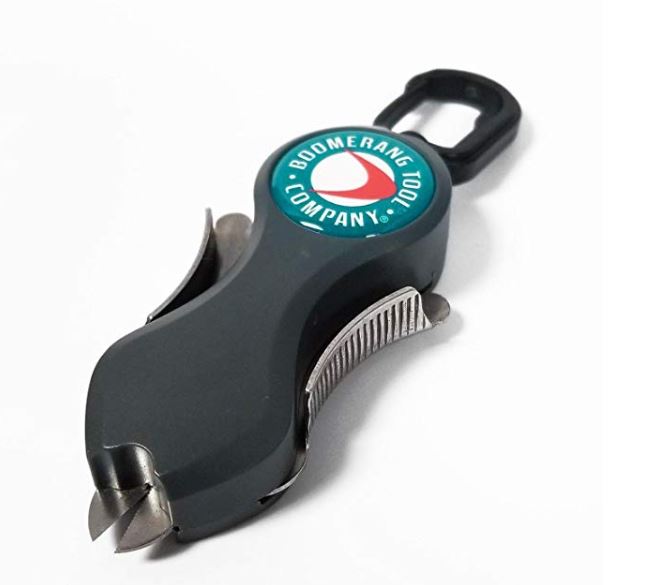
Using Nail Clippers Or Line Cutters
Nail clippers and line cutters are small and easy to carry. They work well for quick cuts.
| Tool | Advantages | Best Use |
| Nail Clippers | Portable and sharp | Small cuts on the go |
| Line Cutters | Designed for fishing lines | Precise, clean cuts |
Avoiding Dull Blades
Dull blades crush braided line instead of cutting it. This weakens the line and causes frays.
- Check blade sharpness before fishing.
- Sharpen scissors or cutters regularly.
- Replace blades if they cannot be sharpened.
- Keep tools clean and dry to avoid rust.
Preparing The Line For Cutting
Cutting braided fishing line needs care to avoid fraying. Proper preparation helps you get a clean cut.
Take your time to set up the line before cutting. This makes the process easier and safer.
Securing The Line Tightly
Hold the braided line firmly to stop it from moving. Use a clamp or wrap the line around a solid object.
Keeping the line secure helps you cut straight and clean. Avoid loose ends that can tangle easily.
- Use a small clamp or vise grip
- Wrap line around a smooth, firm surface
- Hold the line close to the cutting point
Marking The Cut Point
Mark where you want to cut on the braided line. Use a marker or tape to make a clear spot.
This helps you cut exactly where you need. It prevents cutting too short or too long.
- Use a permanent marker for a clear mark
- Wrap a small piece of tape around the line
- Check the mark twice before cutting
Keeping The Line Tensioned
Keep the braided line tight while cutting. Pull the line gently to create tension.
Tension helps the scissors or blade cut smoothly. Loose line can cause jagged cuts or frays.
- Hold the line steady with one hand
- Pull the line slightly to keep it straight
- Do not pull too hard to avoid snapping
Cutting Techniques
Cutting braided fishing line properly helps in tying strong knots. It also stops the line from fraying or weakening.
Using the right cutting technique makes your fishing experience better and safer. Let’s look at some easy ways to cut braided line.
Straight Cut Method
The straight cut method means cutting the line at a 90-degree angle. Use sharp scissors or a fishing line cutter for a clean cut.
This cut is quick and works well for most fishing knots. It helps keep the line ends neat and easy to handle.
Angled Cut For Better Knot Tying
Cutting the line at a slight angle gives more surface area for the knot. This can make the knot tighter and stronger.
Use sharp scissors to cut the line at about a 45-degree angle. The angled end slips through knots easier and reduces slippage.
- Angle cut helps line layers grip better
- Makes knot tying smoother and quicker
- Reduces chance of knot slipping
Using Heat To Seal The Ends
After cutting, you can use heat to seal the braided line ends. This stops fraying and keeps the line strong.
Use a lighter or match carefully near the cut end. Heat it just enough to melt the fibers together. Do not burn the line.
- Seal ends quickly after cutting
- Avoid overheating to prevent damage
- Use a safe, controlled flame source

Credit: www.youtube.com
Common Mistakes To Avoid
Cutting braided fishing line may seem simple. Many anglers make avoidable errors that weaken the line.
Knowing these mistakes helps keep your fishing line strong and ready for use.
Fraying The Line
Braided fishing line can fray easily if cut incorrectly. Fraying weakens the line and causes knots to slip.
Always make a clean cut and avoid pulling the line after cutting. Frayed ends reduce line strength and fishing success.
Using Improper Tools
Using the wrong tools to cut braided line causes rough cuts and damage. Scissors or dull knives are bad choices.
Use sharp line cutters or nail clippers made for braided line. These tools give clean, smooth cuts that keep the line strong.
- Dull scissors crush the fibers
- Knife blades can tear or shred
- Special line cutters make clean cuts
Cutting Without Tension
Cutting braided line without holding it tight causes uneven cuts. Loose line can slip and fray during cutting.
Keep the line firm but not stretched when cutting. This helps produce a straight, clean cut and preserves line strength.
Maintaining Your Cutting Tools
Good cutting tools make cutting braided fishing line easier and safer. Keeping them in top shape saves you time and effort.
Regular care helps your tools last longer and work better every time you use them.
Sharpening Blades Regularly
Dull blades can fray or crush braided line instead of cutting it cleanly. Sharpen blades often to keep a sharp edge.
- Use a sharpening stone or tool designed for your blade type.
- Hold the blade at the right angle while sharpening.
- Sharpen both sides evenly to maintain balance.
- Clean the blade after sharpening to remove metal filings.
- Test the blade on a scrap piece of line before use.
Cleaning After Use
Cleaning your cutting tools removes dirt, line residue, and moisture. This stops rust and keeps tools working smoothly.
| Cleaning Step | Purpose |
|---|---|
| Wipe blade with a dry cloth | Remove line bits and dust |
| Use mild soap and water | Clean sticky residue |
| Dry thoroughly | Prevent rust and corrosion |
| Apply light oil | Protect metal surfaces |
Storing Tools Safely
Proper storage stops damage and keeps tools ready for your next fishing trip. Store tools in a dry, safe place.
- Keep blades closed or covered to avoid accidents.
- Use a dedicated case or pouch to prevent scratches.
- Store tools away from moisture to avoid rust.
- Keep tools out of reach of children and pets.

Credit: www.reddit.com
Frequently Asked Questions
What Tools Cut Braided Fishing Line Effectively?
Sharp scissors or a dedicated line cutter are best for braided line. These tools ensure a clean cut. Avoid using dull blades as they may fray the line. Precision is key for maintaining line integrity. Invest in quality tools for the best results.
Why Does Braided Line Fray When Cut?
Braided line frays due to its woven fibers. Using dull tools can worsen this issue. Always use sharp scissors or cutters. A clean cut prevents fraying and maintains line strength. Proper technique enhances line performance and longevity.
Can Regular Scissors Cut Braided Fishing Line?
Regular scissors may struggle with braided line. They’re often not sharp enough. Use dedicated line cutters or sharp scissors. This ensures a clean, precise cut. Specialized tools prevent fraying and maintain line strength. Investing in the right tools is worthwhile.
How Do I Prevent Braided Line Fraying?
Use sharp scissors or line cutters to prevent fraying. Cut the line cleanly and precisely. Avoid dull blades that can fray the fibers. Proper cutting technique maintains line integrity. Regularly check tools for sharpness. Quality cuts enhance your fishing experience.
Conclusion
Cutting braided fishing line is simple with the right tools and steps. Use sharp scissors or a line cutter for a clean cut. Avoid fraying by cutting slowly and carefully. Always check your cut before tying knots or casting. A neat cut helps your fishing line last longer and perform better.
Practice a few times to feel confident. Now, you can prepare your fishing line quickly and easily. Happy fishing!