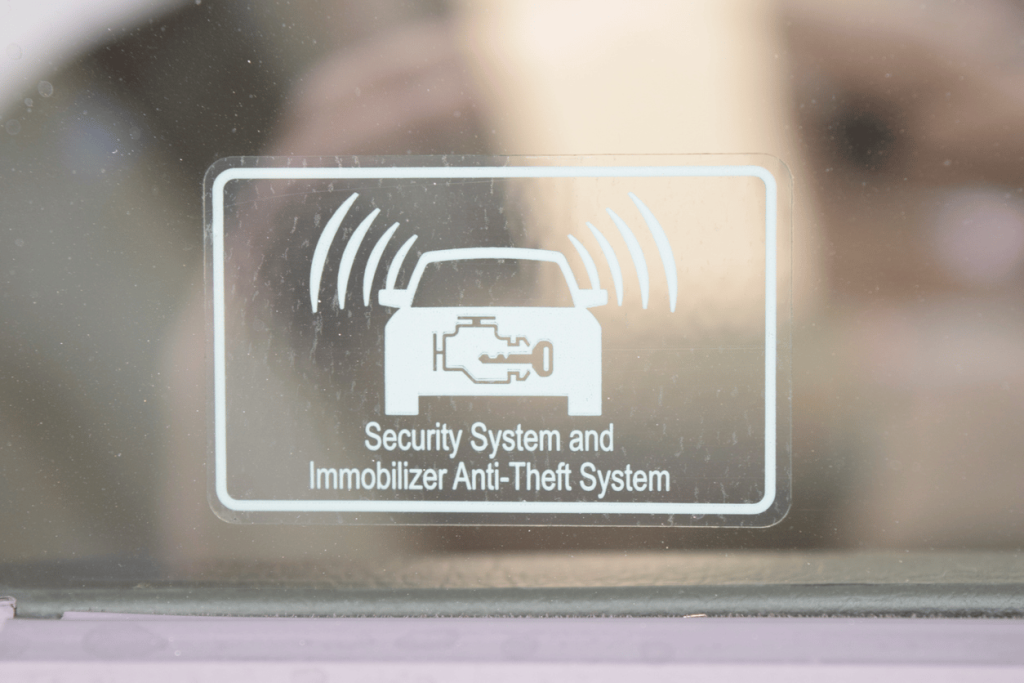
Have you ever been startled by your car alarm blaring in the middle of the night? You might wonder, “Will a car alarm turn off by itself?”
This question is more important than you think. If your alarm keeps going, it can drain your car battery and cause frustration for you and your neighbors. But don’t worry—understanding how your car alarm works can help you avoid these problems.
Keep reading, and you’ll learn exactly what to expect when your alarm goes off and how to handle it quickly and easily.

Credit: www.carparts.com
How Car Alarms Work
Car alarms help protect vehicles from theft and damage. They use sensors and loud sounds to warn owners and scare off thieves.
Understanding how car alarms work can explain if they turn off by themselves. This depends on their parts and triggers.
Basic Alarm Components
Car alarms have several key parts. Each part plays a role in detecting threats and alerting the owner.
- Sensors:Detect movement, glass break, or door opening.
- Control Unit:The alarm’s brain that processes signals.
- Siren or Horn:Creates loud noise to warn people nearby.
- Battery Backup:Keeps the alarm working if the car battery is cut.
- Remote or Key Fob:Used to turn the alarm on or off.
Trigger Mechanisms
Triggers start the alarm when something unusual happens. The alarm reacts by sounding the siren or horn.
Triggers can include opening a door without disarming, shaking the car, or breaking a window.
- Door Sensors:Detect if a door opens without the key or remote.
- Shock Sensors:Sense impacts or vibrations on the car.
- Glass Break Sensors:Listen for the sound of breaking glass.
- Motion Sensors:Detect movement inside or around the car.
Automatic Shutoff Features
Car alarms can turn off by themselves after a certain time. This helps avoid noise that lasts too long. The automatic shutoff keeps the car battery from draining.
These features are built into many car alarm systems. They work without needing you to press any buttons. The alarm stops after a preset time or if the battery is low.
Timed Deactivation
Timed deactivation means the alarm stops after some minutes. Most alarms shut off after 3 to 5 minutes. This prevents the alarm from causing long noise problems.
Once the alarm starts, a timer runs in the background. When the time ends, the alarm stops automatically. You don’t need to do anything to stop it.
- Protects neighbors from loud noises
- Keeps the alarm from running all night
- Saves battery power by stopping the alarm
Battery Protection
Battery protection stops the alarm if the car battery gets low. It helps keep the battery from dying. This feature makes sure you can start your car later.
If the alarm senses low voltage, it will turn off. This prevents the alarm from using too much power. Battery protection helps avoid unwanted car lockouts.
- Monitors battery voltage constantly
- Stops alarm to save battery life
- Ensures car can start after alarm
Factors Influencing Alarm Duration
Car alarms do not always stop on their own at the same time. Many factors affect how long an alarm will ring before it turns off.
Understanding these factors can help you know what to expect if your car alarm goes off unexpectedly.
Type Of Alarm System
Different alarm systems have different ways of working. The alarm duration depends on the system type and its settings.
- Standard alarms usually stop after 30 seconds to 3 minutes.
- Advanced alarms may have sensors that extend or shorten the alarm time.
- Some alarms reset automatically if the noise stops and then starts again.
- Factory-installed alarms often follow the car maker’s preset time limits.
Vehicle Make And Model
The make and model of your vehicle also affect how long the alarm stays on. Different brands use different alarm technologies.
| Vehicle Make | Alarm Duration Range | Notes |
|---|---|---|
| Ford | 45 seconds – 2 minutes | Most models use factory alarms with timed shutoff |
| Toyota | 30 seconds – 3 minutes | Some models include motion sensors that affect timing |
| Honda | 1 minute – 3 minutes | Alarms often linked to remote key fob controls |
| BMW | 2 minutes – 5 minutes | High-end systems with automatic reset features |

Credit: www.whocanfixmycar.com
Common Reasons Alarms Stop On Their Own
Car alarms can stop ringing without any action from the owner. This can happen for several reasons. Understanding these reasons helps you know how your alarm system works.
Some alarms have built-in features to stop after a while. Others turn off due to battery or power issues. Let’s explore common causes.
Power Drain Prevention
Car alarms use the car battery to work. If an alarm rings too long, it can drain the battery. To avoid this, many alarms stop after a set time.
This automatic shut-off helps keep your car battery from dying. It also prevents annoying long alarms that waste energy.
- Most alarms stop after 1 to 3 minutes of ringing
- This stops the battery from draining completely
- Prevents disturbance from continuous noise
- Helps avoid battery damage or car starting issues
Factory Default Settings
Many car alarms come with factory default settings. These settings control how long the alarm sounds and when it stops automatically.
The default timing is designed to balance alerting you and saving power. You can reset or change these settings if needed.
- Default alarm duration usually ranges from 30 seconds to 3 minutes
- Some alarms beep after stopping to warn of a triggered event
- Factory settings can be reset by disconnecting the battery or using a remote
- Changing settings may require a professional or specific instructions
What To Do When Your Alarm Won’t Stop
A car alarm that keeps ringing can be annoying and stressful. Sometimes, it may not turn off by itself. Knowing what to do can help you stop the noise quickly and safely.
This guide explains manual ways to turn off your car alarm. It also tells you when it is best to get help from a professional.
Manual Deactivation Methods
You can try simple steps to stop the alarm without tools. Here are common methods to try:
- Use your car key to unlock and lock the doors.
- Press the alarm button on your remote key fob.
- Insert the key in the ignition and turn it on.
- Disconnect the car battery for a few minutes.
- Check for any stuck buttons or sensors on doors and trunk.
These steps often reset the alarm system and stop the noise. Be calm and move slowly to avoid triggering the alarm more.
When To Seek Professional Help
If manual methods do not work, it is time to get expert help. A professional can diagnose the issue safely and fix it right.
| Signs You Need Help | Reasons |
| Alarm keeps ringing after manual tries | Possible wiring or sensor problem |
| Remote key fob does not work | Battery or programming issue |
| Alarm triggers without cause | Faulty alarm system |
Do not try to fix complex electrical problems yourself. A certified mechanic or alarm specialist has the tools and knowledge to handle these problems safely.
Tips To Avoid False Alarms
Car alarms can stop on their own after some time. False alarms happen when the system reacts to small triggers. These false alarms can annoy you and neighbors.
Taking care of your car alarm helps prevent false alarms. Simple actions can keep your alarm working correctly and only sound when needed.
Proper Installation
Installing the car alarm correctly is key to avoid false alarms. A poor installation can cause the system to react to normal movements or sounds.
Use a professional installer or follow the instructions carefully if you do it yourself. Make sure all sensors are set up in the right places.
- Place sensors away from moving parts and vibration sources
- Secure wires tightly to avoid loose connections
- Test the system after installation to check for false triggers
- Use quality parts compatible with your car model
Regular Maintenance
Check your car alarm system often to keep it in good condition. Dust, dirt, and wear can cause the alarm to act up.
Replace old batteries and fix damaged parts quickly. Regular tests help find problems before they cause false alarms.
- Clean sensors gently to remove dust and dirt
- Check wiring for cracks or loose ends
- Replace the alarm battery as recommended by the manufacturer
- Test the alarm monthly to ensure proper function

Credit: www.whocanfixmycar.com
Frequently Asked Questions
Can A Car Alarm Deactivate Automatically?
Yes, many car alarms deactivate automatically after a certain period. This feature prevents battery drain and reduces noise pollution. However, the duration varies across different models and brands. Always consult your car’s manual for specific information about your vehicle’s alarm system.
How Long Does A Car Alarm Typically Last?
A car alarm usually lasts between 5 to 20 minutes. The duration depends on the vehicle’s make and model. Some alarms may have settings that allow you to adjust this duration. Check your car manual for specific details.
What Triggers A Car Alarm To Stop?
A car alarm stops when the threat is removed or manually deactivated. Modern systems may stop after a preset duration. This feature helps conserve battery and reduces disturbance. Always ensure your system is functioning correctly to avoid false alarms.
Can A Faulty Alarm Turn Off By Itself?
Yes, a faulty alarm might turn off by itself unexpectedly. This can occur due to wiring issues or sensor malfunctions. Regular maintenance can help prevent such occurrences. If you notice frequent issues, consult a professional for inspection.
Conclusion
Car alarms usually turn off by themselves after a short time. This helps avoid noise and disturbance. Some alarms stop after a few minutes, while others need a remote or key to turn off. Understanding your car alarm’s settings can save you trouble.
Always check your manual or ask a professional if unsure. Keeping your alarm working well adds security and peace of mind. Remember, knowing how your car alarm works keeps you prepared and stress-free.