
Choosing the best heating system for your house is more important than you might think. It affects your comfort, energy bills, and even the environment.
You want a solution that keeps your home warm without emptying your wallet or causing headaches. But with so many options out there, how do you know which one fits your needs perfectly? You’ll discover the top heating systems, their pros and cons, and practical tips to help you make the right choice.
Keep reading to find the heating system that will make your home cozy and efficient all winter long.
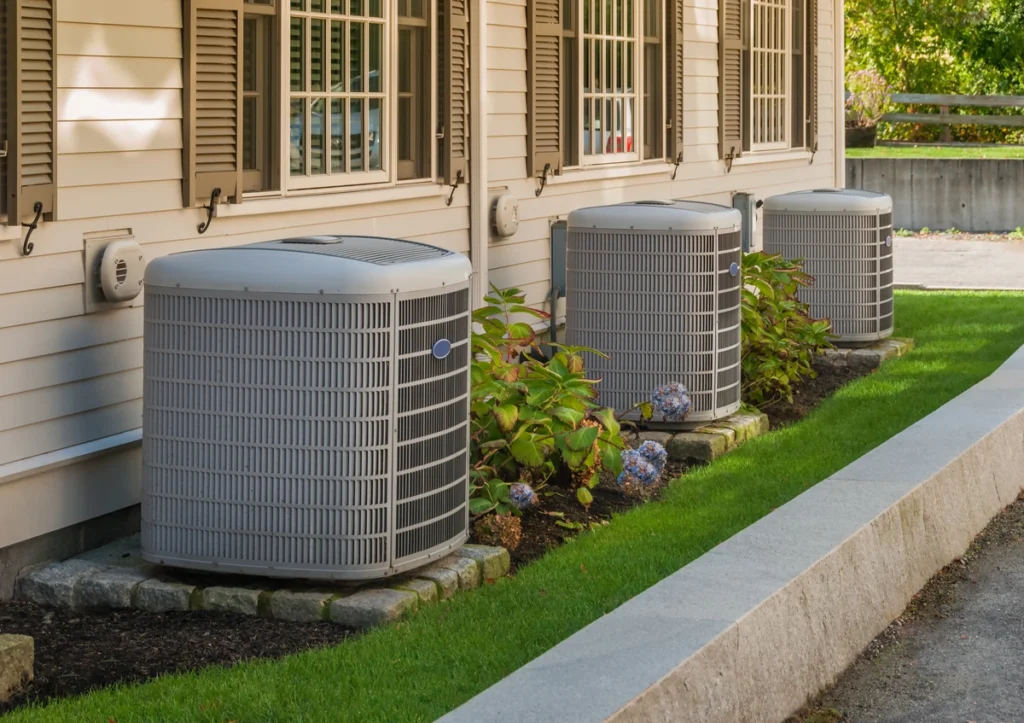
Credit: thelenmechanical.com
Types Of Heating Systems
Choosing the right heating system helps keep your home warm and comfortable. Different systems use various energy sources and methods to heat your house.
Understanding the types of heating systems helps you pick the best option for your needs and budget.
Furnace Heating
A furnace heats air and blows it through ducts in your home. It usually runs on gas, oil, or electricity.
Furnaces are common in many homes because they heat spaces quickly and evenly.
Boiler Heating
Boilers heat water and send steam or hot water through pipes to radiators or floors. They use gas, oil, or electricity for fuel.
Boilers provide steady heat and work well for homes with radiators or radiant floor systems.
Heat Pumps
Heat pumps move heat from outside air or the ground into your home. They can also cool your home in summer.
Heat pumps use electricity and are energy efficient in mild climates.
Radiant Heating
Radiant heating warms floors, walls, or ceilings using hot water or electric cables. Heat rises evenly from the surface.
This system creates a comfortable, silent heat and works well with tile or wood floors.
Electric Heating
Electric heaters use electric coils or panels to produce heat. They are easy to install and require little maintenance.
Electric heating works best for small spaces or supplemental heat.
Fuel Options For Heating
Choosing the right fuel for heating your house is important. Different fuels have different costs, availability, and effects on the environment.
This guide covers common fuel options to help you understand their benefits and drawbacks.
Natural Gas
Natural gas is a popular fuel for heating homes. It burns cleanly and heats quickly. Many homes have easy access to natural gas pipelines.
Electricity
Electric heating uses electric power to warm your house. It is easy to install and requires little maintenance. Electric heat pumps can also cool your home in summer.
Oil
Oil heating works by burning heating oil stored in a tank. It can heat homes well in cold climates. Oil delivery is needed regularly since it is stored on-site.
Propane
Propane is a liquid gas stored in tanks outside the home. It burns clean and produces strong heat. Propane is a good option where natural gas is not available.
Renewable Energy Sources
Renewable energy uses natural forces like the sun and wind. These sources reduce pollution and lower energy bills over time.
- Solar heating uses panels to capture sunlight for warmth.
- Geothermal systems use heat from the earth.
- Wood and pellet stoves burn renewable biomass fuel.
Efficiency And Cost Comparison
Choosing the best heating system for your home depends on how efficient it is and how much it costs. Different systems use energy in different ways and have various price points.
This guide looks at energy efficiency ratings, installation costs, operating expenses, and maintenance needs. These factors help you pick the right heating system.
Energy Efficiency Ratings
Energy efficiency shows how well a heating system uses fuel or electricity. Higher ratings mean less wasted energy and lower bills.
Look for the Annual Fuel Utilization Efficiency (AFUE) for furnaces. Heat pumps have Heating Seasonal Performance Factor (HSPF). Boilers have efficiency percentages too.
- Furnaces: 80% to 98.5% AFUE
- Heat Pumps: 8 to 13 HSPF
- Boilers: 80% to 95% efficiency
- Electric Heaters: Nearly 100% efficient but cost more to run
Installation Costs
Installation costs vary by system type and home size. Some systems need special parts or setups that raise the price.
Heat pumps often cost more upfront than furnaces. Electric heaters can be cheaper to install but might need electrical upgrades.
| Heating System | Typical Installation Cost |
|---|---|
| Gas Furnace | $2,500 – $7,500 |
| Heat Pump | $4,000 – $8,000 |
| Electric Heater | $500 – $2,000 |
| Boiler | $3,000 – $7,000 |
Operating Expenses
Operating costs depend on fuel prices and system efficiency. Gas is usually cheaper than electricity but varies by region.
Heat pumps use electricity but move heat instead of creating it, so they save money. Electric heaters cost more to run despite high efficiency.
- Gas furnace: Lower fuel cost, moderate efficiency
- Heat pump: Low cost, high efficiency in mild climates
- Electric heater: High cost, simple operation
- Boiler: Moderate cost, good for larger homes
Maintenance Requirements
Regular maintenance keeps heating systems working well and lasts longer. Some systems need more care than others.
Gas furnaces and boilers require annual checks for safety and efficiency. Heat pumps need filter changes and coil cleaning. Electric heaters need the least maintenance.
- Gas furnace: Annual inspection, filter changes
- Heat pump: Clean coils, check refrigerant yearly
- Electric heater: Minimal maintenance, check wiring
- Boiler: Annual flushing and inspection

Credit: thelenmechanical.com
Climate Considerations
Choosing the best heating system depends on the climate where you live. Different climates need different heating approaches.
This guide explains what heating systems work well in cold, mild, humid, and dry climates.
Cold Climates
In cold climates, homes need heating systems that provide steady and strong warmth. Efficiency and durability are key.
- Furnaces that burn natural gas or oil are common and effective.
- Heat pumps designed for low temperatures can save energy.
- Radiant floor heating offers comfortable warmth without drafts.
Mild Climates
Mild climates do not get very cold, so heating needs are lighter. Systems that heat quickly and cost less to run are best.
Heat pumps are popular because they both heat and cool homes efficiently.
Humid Climates
Humid climates need heating systems that also handle moisture well. Avoid systems that increase indoor humidity.
| Heating System | Humidity Control | Energy Use |
| Dehumidifying Heat Pumps | Good | Low |
| Gas Furnaces | Neutral | Medium |
| Electric Heaters | Poor | High |
Dry Climates
Dry climates have low humidity and often big temperature changes. Heating systems should add some moisture to the air.
Popular heating systems for dry climates include:
- Forced air systems with humidifiers
- Radiant heating that keeps air dry but warms well
- Heat pumps with added humidification options
Environmental Impact
Choosing the right heating system affects the environment. Some systems use more energy and cause more pollution. Others use cleaner energy and reduce harm.
Understanding the environmental impact helps you pick a heating system that is better for the planet and future generations.
Carbon Footprint
The carbon footprint measures how much carbon dioxide a heating system releases. Systems burning fossil fuels like oil and gas produce more carbon dioxide.
Electric heat pumps and solar heating create less carbon dioxide. They use cleaner energy sources and help lower greenhouse gas emissions.
- Oil and gas heating produce high carbon emissions
- Electric heat pumps have low carbon emissions
- Solar heating systems have near zero emissions
Sustainability
Sustainable heating systems use energy that can last a long time. They reduce waste and harm to nature. Renewable energy systems are more sustainable.
Heat pumps and solar panels use natural energy sources. They help save resources and protect the environment for future use.
- Renewable energy reduces dependence on fossil fuels
- Heat pumps use air or ground heat
- Solar heating uses sunlight as energy
Government Incentives
Governments offer incentives to encourage eco-friendly heating. These include tax credits, rebates, and grants. They make sustainable systems more affordable.
Incentives help homeowners choose heating systems that lower carbon footprints and support clean energy goals.
- Tax credits for installing heat pumps
- Rebates for solar heating systems
- Grants for energy-efficient home upgrades

Credit: www.youtube.com
Comfort And Air Quality
Choosing the best heating system affects your home’s comfort and air quality. A good system keeps rooms warm and air clean.
Heating systems differ in how they spread heat and manage air. These factors impact your health and comfort daily.
Heat Distribution
Heat distribution is how warmth spreads through your home. Even heat keeps every room cozy without cold spots.
Systems like radiant heat provide steady warmth from floors or walls. Forced air systems use vents to move warm air.
- Radiant heat gives consistent warmth
- Forced air heats quickly but may be uneven
- Baseboard heaters warm localized areas
Humidity Control
Good heating keeps indoor humidity balanced. Too dry air causes discomfort and health issues.
Some heating systems add moisture to the air. This helps prevent dry skin and irritated sinuses.
- Humidifiers add moisture to dry air
- Heat pumps maintain moderate humidity
- Electric heaters may dry air more
Air Filtration
Clean air improves health and comfort inside your home. Heating systems with filters remove dust and allergens.
Regular filter changes keep the air fresh. Some systems use advanced filters for better air quality.
- Basic filters trap dust and dirt
- HEPA filters catch tiny particles
- UV filters reduce bacteria and viruses
Smart Heating Technologies
Smart heating technologies make home heating easier and more efficient. They use modern tools to save energy and keep homes comfortable.
These technologies allow better control of heat and lower heating costs. They adapt to your schedule and preferences automatically.
Thermostats And Controls
Smart thermostats adjust the temperature based on your habits and weather. They learn when you need heat and save energy when you don’t.
Many models let you control heat from your phone or voice assistant. This makes it easy to change settings anytime, anywhere.
- Automatic temperature adjustments
- Remote control via smartphone apps
- Voice command compatibility
- Energy usage reports
Zoning Systems
Zoning systems divide your home into areas with separate heating controls. This lets you heat only the rooms you use.
These systems reduce wasted energy and increase comfort. You can set different temperatures for each zone depending on needs.
- Separate temperature controls for rooms
- Energy savings by heating used spaces
- Improved comfort for family members
- Easy to program with smart thermostats
Integration With Home Automation
Smart heating can connect with other home systems like lights and security. This makes your home more efficient and convenient.
Automation allows heating to respond to your lifestyle. For example, the system can lower heat when you leave and warm up before you return.
- Control heating with other smart devices
- Automated schedules based on activity
- Energy savings with coordinated systems
- Better home comfort and security
Choosing The Right System
Choosing the best heating system for your house depends on many factors. The right system keeps your home warm and saves energy.
Consider your home’s size, your budget, and the long-term benefits. Getting advice from a professional can help you decide.
Home Size And Layout
Large homes need heating systems that can cover many rooms evenly. Open floor plans may require different solutions than homes with many small rooms.
Think about where you want the heat and how the system fits your home’s design.
Budget Considerations
Heating systems vary in price. Some cost less upfront but use more energy. Others cost more but save money over time.
- Initial cost of equipment and installation
- Energy use and monthly bills
- Maintenance and repair expenses
- Possible upgrades or replacements
Long-term Savings
| Heating System | Energy Efficiency | Average Lifespan | Estimated Annual Cost |
| Gas Furnace | High | 15–20 years | $600–$1,200 |
| Electric Heater | Medium | 10–15 years | $800–$1,500 |
| Heat Pump | Very High | 12–20 years | $500–$1,000 |
| Radiant Floor | High | 20–30 years | $700–$1,300 |
Professional Consultation
A heating expert can assess your home and suggest the best options. They check insulation, windows, and your local climate.
Benefits of consulting a professional:
- Custom advice for your home
- Accurate cost estimates
- Proper system sizing
- Safety and code compliance
Frequently Asked Questions
What Is The Most Efficient Home Heating System?
The most efficient home heating system is often a heat pump. It uses electricity to transfer heat, providing efficient heating. Heat pumps can be more efficient than traditional systems, especially in moderate climates. They offer both heating and cooling, making them versatile and cost-effective over time.
How Does A Heat Pump Work In Winter?
In winter, a heat pump extracts heat from outdoor air. It then transfers this heat indoors to warm your home. Even in cold temperatures, heat pumps can efficiently capture and move heat. This makes them an effective choice for energy-efficient heating.
Are Radiant Floor Heating Systems Effective?
Yes, radiant floor heating systems are highly effective. They provide even heat distribution across the floor. This system uses less energy than traditional radiators. It offers consistent warmth and comfort, making it a popular choice for many homeowners.
What Are The Benefits Of A Geothermal Heating System?
A geothermal heating system offers several benefits. It’s energy-efficient, environmentally friendly, and has lower operating costs. It uses the earth’s stable temperature to heat and cool your home. Though the initial installation cost is high, the long-term savings can be substantial.
Conclusion
Choosing the best heating system depends on your home and budget. Consider energy efficiency and comfort first. Some systems cost more upfront but save money later. Think about the climate where you live. Maintenance needs also matter for long-term use.
The right heating keeps your home warm and cozy. Take time to research and compare options carefully. Your decision affects comfort and energy bills. Make a choice that fits your needs well. Stay warm this winter with the right system.