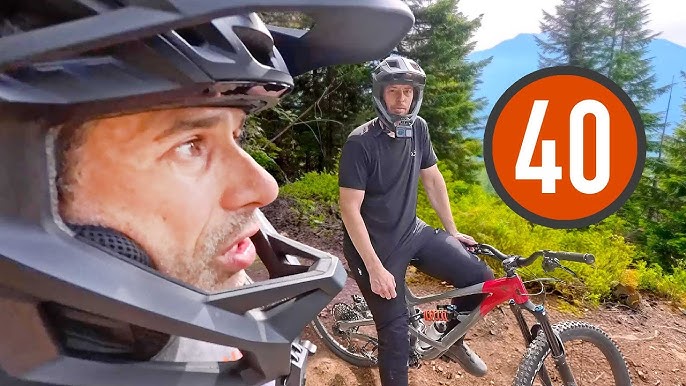
Are you wondering if you can wear a bike helmet while skiing? It’s a question many people ask when thinking about safety on the slopes.
You want to protect your head, but is a bike helmet the right choice? You’ll discover the surprising facts that could keep you safer and help you make the best decision for your next ski trip. Keep reading to find out what experts say and how you can stay protected without sacrificing comfort.
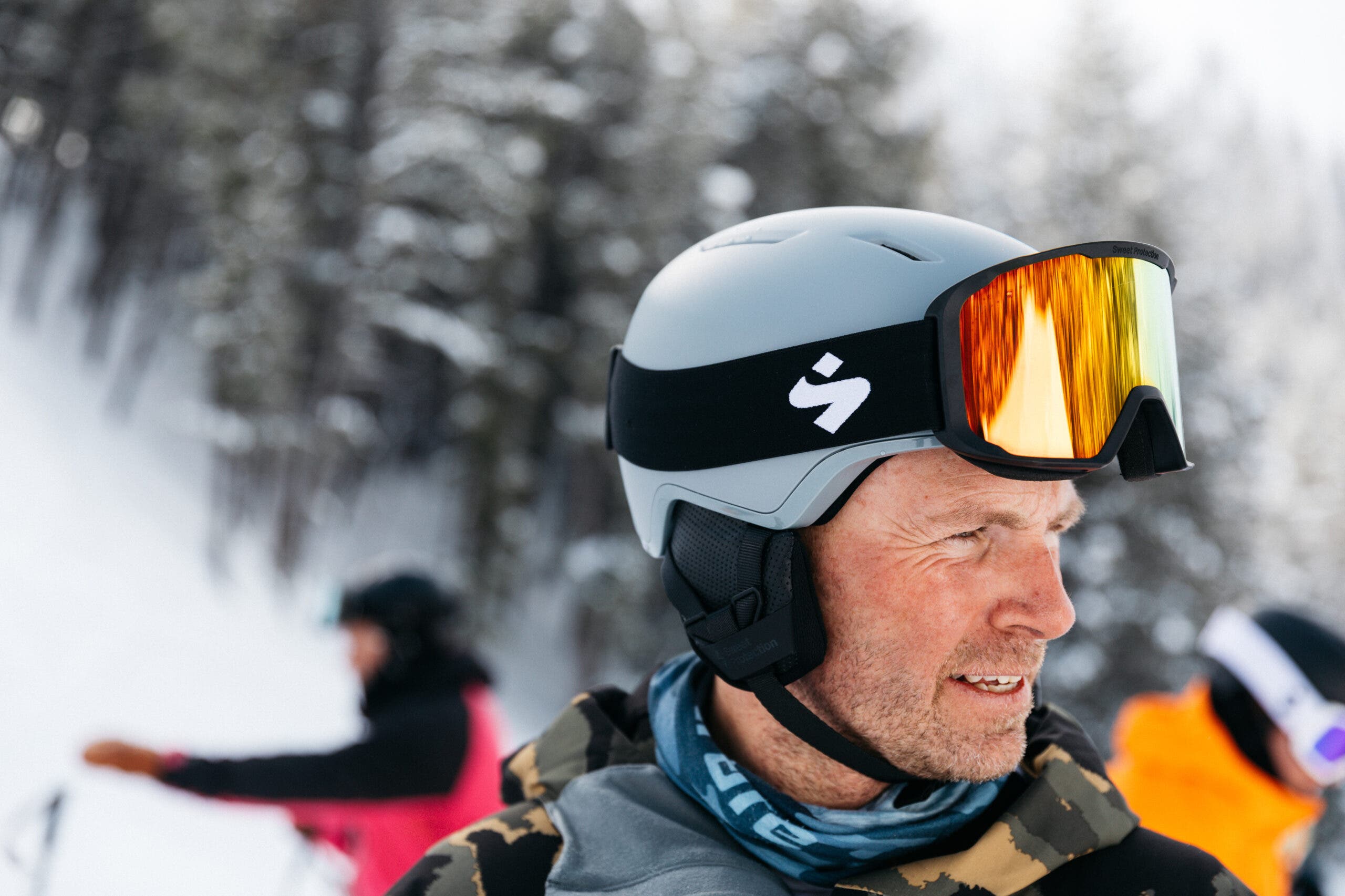
Credit: www.skimag.com
Helmet Types For Winter Sports
Wearing the right helmet keeps you safe during winter sports. Helmets for biking and skiing look alike but have different designs. Knowing these differences helps you choose the best helmet for skiing.
This guide explains the key features of bike helmets and ski helmets. It covers safety parts and how they are made. This will help you decide if you can wear a bike helmet for skiing.
Bike Helmets Vs Ski Helmets
Bike helmets protect against impacts common in cycling. Ski helmets are made to handle cold weather and different crash types. The shape and padding also differ between the two.
- Bike helmets have more ventilation to keep you cool.
- Ski helmets have fewer vents to keep warmth inside.
- Ski helmets often cover more of the head and ears.
- Bike helmets focus on protecting the top and sides of the head.
Key Safety Features
Both helmets share safety features but with some differences. Ski helmets include extra padding for cold weather. Bike helmets use lightweight materials for comfort on long rides.
| Feature | Bike Helmet | Ski Helmet |
| Ventilation | Many vents for airflow | Fewer vents to keep warmth |
| Padding | Thin, breathable padding | Thicker, insulating padding |
| Ear Protection | No ear coverage | Built-in ear coverage |
| Impact Protection | Focus on side and top impacts | Designed for falls and collisions on snow |
Materials And Construction
Ski and bike helmets use similar materials but differ in construction. Ski helmets have a stronger shell to handle low temperatures. Bike helmets focus on lightness and breathability.
Common Materials:
- Expanded Polystyrene (EPS) foam for shock absorption
- Polycarbonate or fiberglass outer shell
- Comfort liners for fit and warmth
Construction Differences:
- Ski helmets often use in-mold or hard shell designs for extra strength
- Bike helmets use in-mold designs to reduce weight
- Ski helmets have waterproof and windproof features
Wearing A Bike Helmet While Skiing
Many people wonder if they can wear a bike helmet while skiing. Skiing and biking both need head protection. But the gear is made for different activities.
This article looks at the pros and cons of using a bike helmet on the ski slopes. It also covers fit, comfort, and safety differences.
Pros And Cons
Bike helmets can be a quick choice for skiing. They are easy to find and often lighter than ski helmets. But there are some risks.
- Pros:Lightweight, good ventilation, often cheaper.
- Cons:Less insulation, not designed for cold, weaker side protection.
- Bike helmets lack the ear and neck coverage of ski helmets.
- Some ski resorts may not accept bike helmets for safety rules.
Fit And Comfort Considerations
Fit and comfort are key for any helmet. Bike helmets are made for warm weather. Ski helmets focus on cold weather comfort and warmth.
| Feature | Bike Helmet | Ski Helmet |
| Fit | Snug but often less coverage | Snug with full head and ear coverage |
| Comfort | Ventilated for heat, less padding | Padded and insulated for cold |
| Weight | Lighter | Heavier due to insulation |
| Adjustments | Basic straps and dials | More adjustment points and fit systems |
Impact Protection Differences
Bike and ski helmets protect differently. Ski helmets must handle harder and colder impacts. Bike helmets focus on impacts from falls on pavement.
Key points on impact protection:
- Ski helmets use thicker foam for cold conditions.
- Bike helmets may not protect well against cold, hard impacts.
- Ski helmets cover more areas prone to injury during falls on snow and ice.
- Some bike helmets lack certification for winter sports.
Safety Tips For Skiing With A Bike Helmet
Using a bike helmet for skiing is possible but needs care. Skiing has unique risks that require good protection.
Follow safety tips to stay safe and comfortable while skiing with a bike helmet.
Ensuring Proper Fit
A helmet must fit snugly to protect your head well. Bike helmets and ski helmets fit differently.
Check that the bike helmet fits tight but not too tight. It should not move when you shake your head.
- Adjust straps so the helmet sits level on your head
- Use padding if the helmet feels loose
- Make sure the chin strap is secure and comfortable
Adding Warmth And Ventilation
Bike helmets have bigger vents that let cold air in. This can make your head very cold on the slopes.
Wear a thin, warm hat or balaclava under the helmet to keep warm. Make sure it does not affect the helmet fit.
- Choose breathable headwear to avoid sweat buildup
- Check that vents still allow airflow to prevent overheating
- Avoid bulky hats that change helmet position
Visibility And Accessories
Good visibility is key for skiing safety. Bike helmets may not fit ski goggles well.
Test your goggles with the helmet before skiing. Adjust straps or use different goggles if needed.
- Use ski goggles designed to fit with a helmet
- Attach a reflective sticker for better visibility in low light
- Secure any helmet accessories so they do not fall off
When To Choose A Ski Helmet Instead
Many wonder if a bike helmet works for skiing. Both protect your head but serve different purposes. Ski helmets suit cold, snowy conditions better.
Choosing the right helmet helps keep you safe and comfortable on the slopes. Ski helmets offer features that bike helmets do not.
Conditions Favoring Ski Helmets
Ski helmets are made for cold weather and snowy environments. They keep your head warm and dry during skiing.
Bike helmets lack insulation and often have more ventilation. This can make you cold and uncomfortable on the snow.
- Cold temperatures require good insulation
- Snow and moisture protection is essential
- Reduced ventilation helps retain heat
- Designed for winter sports impacts
Long-term Safety Benefits
Ski helmets use materials that absorb impact from falls on hard snow or ice. They reduce the risk of head injury.
Bike helmets protect against crashes on pavement but may not handle cold or icy impacts well. Ski helmets are tested for these conditions.
- Better shock absorption for snowy falls
- Stronger outer shell for winter impacts
- Comfort features to encourage regular use
- Designed to stay secure during skiing
Certified Standards To Look For
Ski helmets meet specific safety standards made for winter sports. Look for these certifications when buying.
Bike helmets have different safety tests that may not cover cold or snow conditions. Certified ski helmets offer more reliable protection.
- ASTM F2040 – Standard for ski helmets
- CE EN 1077 – European ski helmet certification
- Snell RS-98 – High safety rating for ski helmets
- Look for proper fit and comfort labels
Maintaining Your Helmet
Wearing a bike helmet while skiing is possible, but keeping it in good shape is very important. Proper care helps your helmet protect you better and last longer.
Regular checks and cleaning keep your helmet safe and comfortable. Follow simple steps to maintain your helmet well.
Inspection Before Use
Check your helmet every time before skiing. Look for cracks, dents, or broken parts. Make sure the straps and buckles work correctly.
If you find any damage, do not use the helmet. A damaged helmet cannot protect you properly in an accident.
- Look for visible cracks or dents
- Test the straps and buckles for strength
- Check the inner padding for wear and tear
- Ensure the helmet fits snugly and comfortably
Cleaning And Storage
Clean your helmet regularly to keep it fresh and safe. Use mild soap and water with a soft cloth. Avoid strong chemicals that can weaken the materials.
Store your helmet in a cool, dry place. Keep it away from direct sunlight and extreme heat. Do not place heavy items on top of it to avoid damage.
- Use mild soap and water for cleaning
- Wipe with a soft cloth, do not scrub hard
- Keep helmet away from heat and sunlight
- Store in a safe place without heavy pressure
Replacing After Impact
Replace your helmet after any strong impact. Even if no damage is visible, the inside foam may be crushed and less protective.
Do not try to fix a damaged helmet. Buying a new one ensures your safety on the slopes and roads.
- Replace helmet after any crash or fall
- Do not rely on visible damage alone
- Never repair a helmet that had an impact
- Purchase a new helmet for full protection
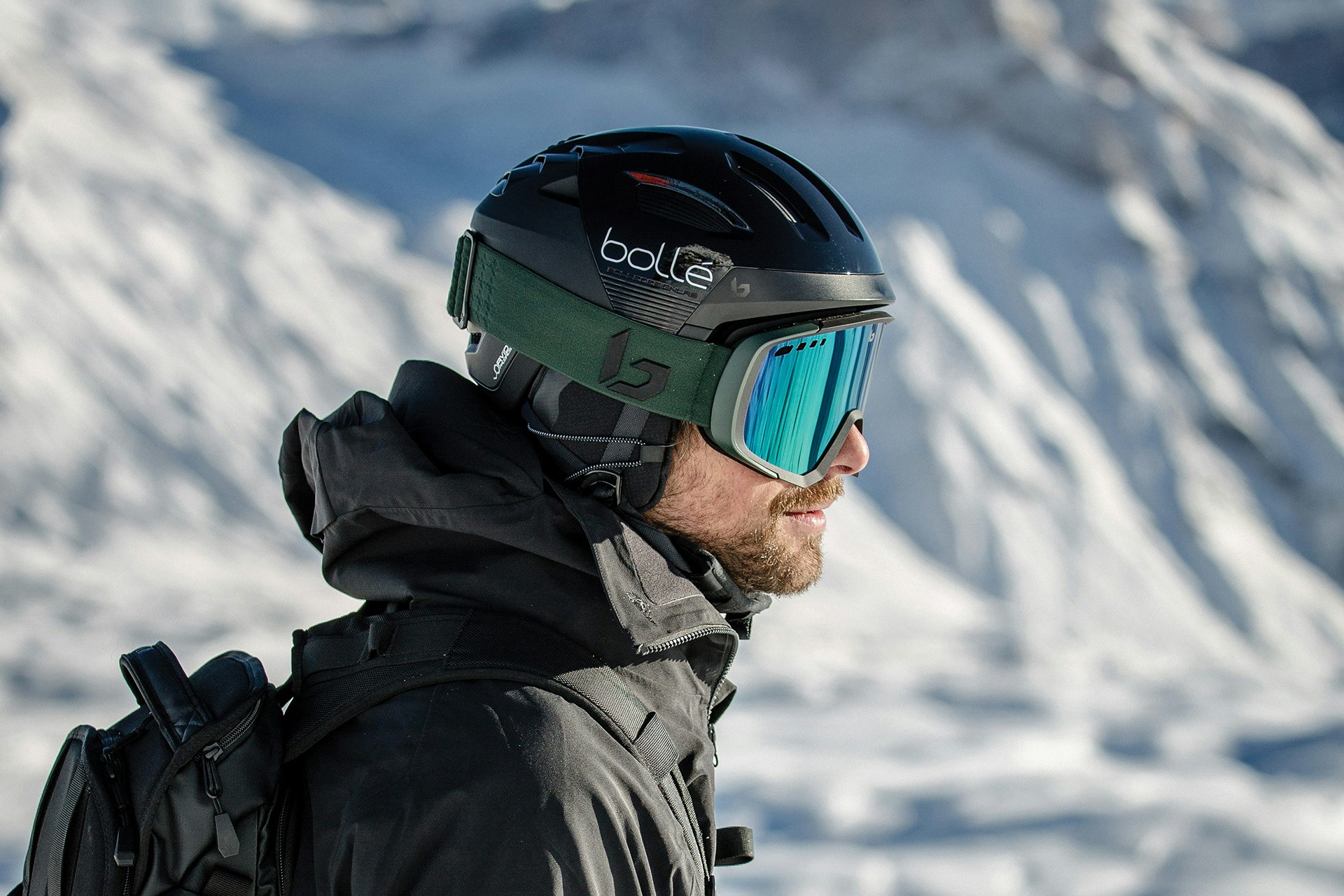
Credit: www.freeskier.com

Credit: bernhelmets.com
Frequently Asked Questions
Can Bike Helmets Be Used For Skiing?
While bike helmets offer head protection, they’re not ideal for skiing. Ski helmets are designed for cold weather and impact protection specific to skiing. It’s best to use a ski helmet for safety and comfort.
What Are The Risks Of Using A Bike Helmet?
Bike helmets may not provide adequate protection against skiing impacts. They lack insulation for cold temperatures, and their design differs from ski helmets. This can result in reduced safety and comfort on the slopes.
Are Ski Helmets Different From Bike Helmets?
Yes, ski helmets are different from bike helmets. Ski helmets are designed for cold, snowy conditions. They provide better coverage and insulation. Bike helmets are meant for warmer weather and different impact scenarios.
Why Is A Ski Helmet Recommended Over A Bike Helmet?
Ski helmets are specifically designed for the conditions faced while skiing. They offer better protection against cold and impacts. Wearing a ski helmet ensures safety and comfort, which bike helmets can’t fully provide in snowy environments.
Conclusion
Wearing a bike helmet for skiing is not the best choice. Ski helmets are made to protect you from different impacts. They keep you warmer and fit better for winter sports. Safety should always come first on the slopes. Choose gear designed for skiing to stay safe and comfortable.
Don’t risk injury by using the wrong helmet. Protect your head with the right equipment every time. Stay smart, stay safe, and enjoy your time skiing.