Is your home air conditioner not cooling like it used to? You might be low on Freon, the vital refrigerant that keeps your AC running smoothly.
Adding Freon might sound tricky, but with the right steps, you can do it yourself and bring back that refreshing cool air. In this guide, you’ll learn exactly how to add Freon to your home air conditioner safely and effectively.
Keep reading to save money, avoid common mistakes, and get your AC working like new again.

Credit: atlasacrepair.com
Signs Your Ac Needs Freon
Reduced cooling efficiencyis a clear sign your AC needs Freon. The air feels warmer than usual. It takes longer to cool the room. This happens because low Freon means less cooling power.
Ice formation on coilscan appear when Freon is low. The coils freeze up and get covered in ice. This stops the air conditioner from working well and can damage the system.
Hissing or bubbling soundsnear the AC unit often mean a Freon leak. These noises come from the refrigerant escaping. Such sounds should never be ignored because they show a problem with the system.

Credit: www.youtube.com
Tools And Materials Needed
Freon Type and Quantityvary by air conditioner model. Check the unit label for the exact type and amount needed. Using the wrong Freon type can damage the system.
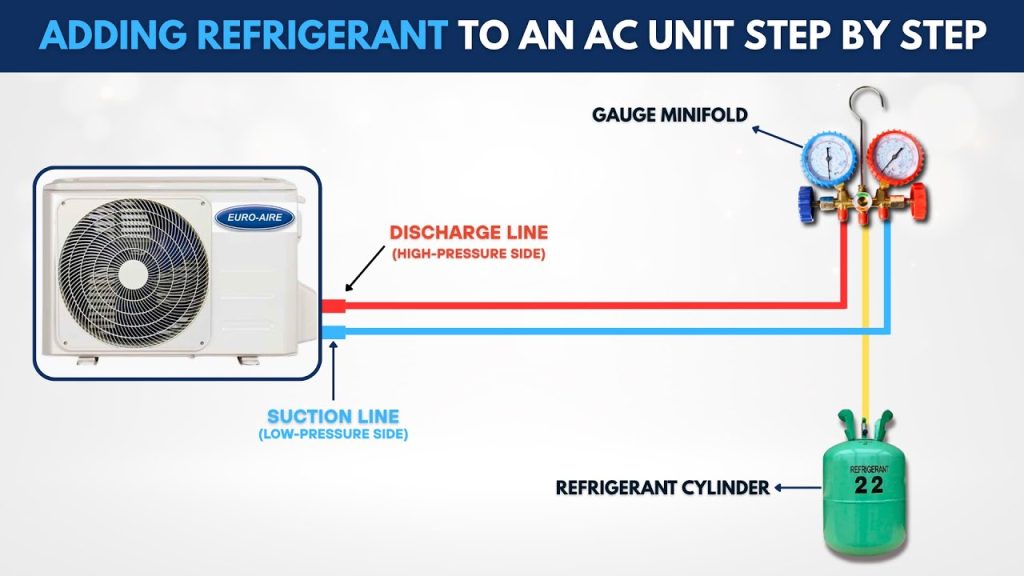
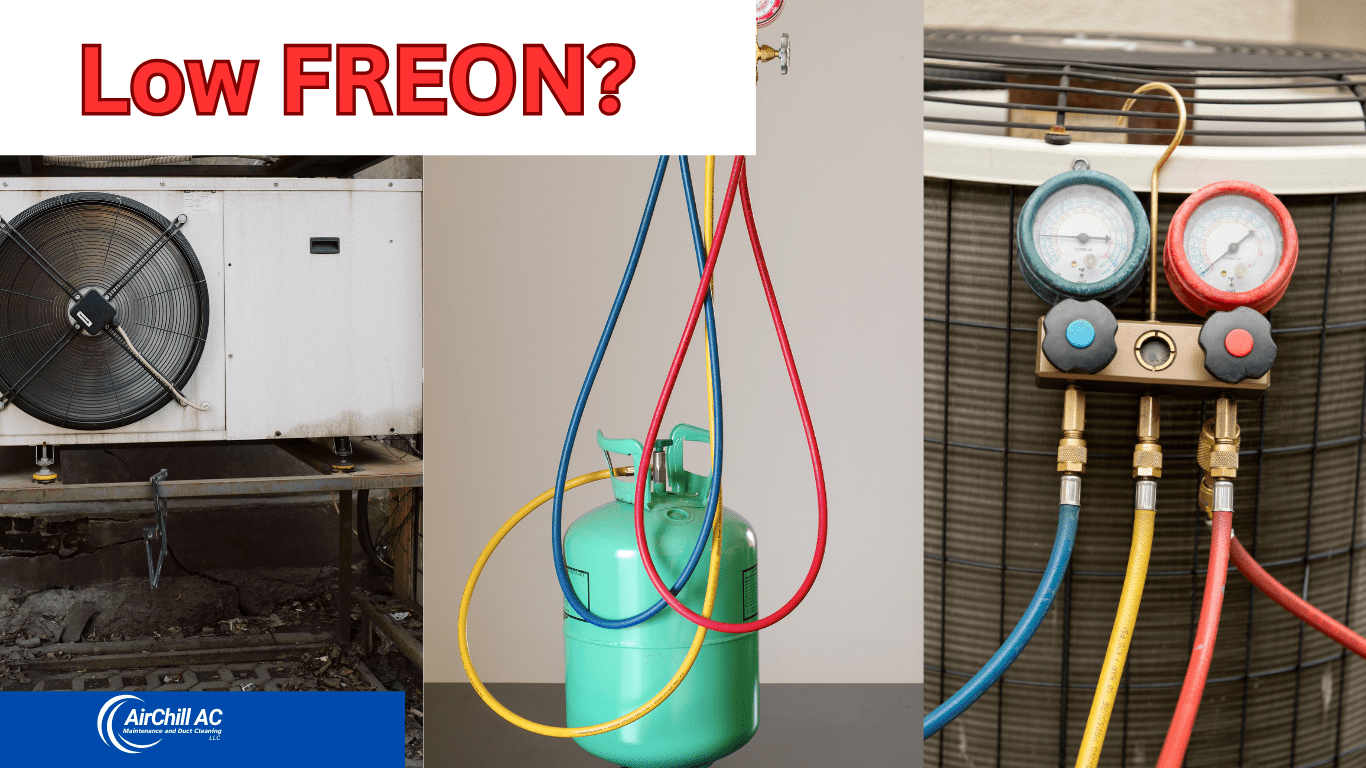
A Gauge Manifold Sethelps measure the pressure inside the AC system. It has hoses and gauges to connect to the service ports. This tool is essential for safe and accurate Freon addition.
Wear Protective Gearlike gloves and safety glasses. Freon can cause frostbite or eye injury. Always protect your skin and eyes during the process.
Safety Precautions
Handling refrigerantsrequires care. Always wear gloves and goggles to protect skin and eyes. Avoid breathing in the gas; it can harm your lungs. Use refrigerant only in a well-ventilated area. Never release refrigerant into the air as it damages the environment.
Electrical hazards are common with air conditioners. Always turn off the power before starting any work. Use tools with insulated handles to prevent shocks. Check wires for damage before touching. Keep water away from electrical parts to avoid accidents.
Environmental care matters a lot. Use certified refrigerants that meet safety standards. Dispose of old refrigerants at proper recycling centers. Avoid leaks to protect the ozone layer. Follow local laws for handling and disposal.
Credit: airchillac.com
Locating The Service Valve
The low-pressure sideof the air conditioner is where you add Freon. It is usually found on the larger pipe connected to the outdoor unit. This pipe is cooler and thinner than the high-pressure side. Look for a service valvewith a removable cap. This valve controls the flow of refrigerant into the system.
Accessing the valve safely is very important. Always turn off the powerto the unit before touching any parts. Wear gloves and safety glassesto protect yourself. Make sure the area is dry to avoid slipping or electrical shock. Use a wrench to remove the valve cap gently. Avoid forcing it to prevent damage.
Checking The Current Freon Level
Use a gauge manifoldto check the Freon level safely. Connect the gauge hoses to the air conditioner’s service ports. The blue hose goes to the low-pressure port, and the red hose to the high-pressure port.
Turn on the air conditioner and watch the gauge readings. The pressure values show the Freon status inside the system.
| Gauge Reading | Meaning |
|---|---|
| Low pressure (blue gauge) below 30 psi | Freon might be low or leaking |
| Normal pressure between 30-45 psi | Freon level is adequate |
| High pressure over 45 psi | System may be overcharged or blocked |
Adding Freon Step-by-step
Start by attaching the refrigerant can to the service valve. Make sure the connection is tight to avoid leaks. Use gloves and safety glasses for protection.
Open the valve slowly to release the Freon into the system. Watch the can to see how fast the refrigerant flows out. Close the valve once the can is empty or the system is charged.
Use a pressure gauge to check the system’s pressure levels. Compare the readings with the recommended levels for your air conditioner model. Adjust by adding or stopping Freon until the pressure is right.
Post-refill Checks
Check the air conditioner’s cooling after refilling Freon. The room should feel cooler within minutes. If the air feels warm, the Freon level might be low or there could be another issue.
Look closely around the service valve for any signs of leaks. Small drops or oily residue suggest a leak. Fixing leaks quickly keeps the system working well and saves energy.
Seal the service valve tightly after refilling. Use a valve cap or wrench to close it. This stops Freon from escaping and protects the system.
When To Call A Professional
Major leakscan cause your AC to stop cooling properly. Look for hissing sounds, ice buildup, or visible oil stainson pipes. These signs mean the refrigerant is escaping fast. Fixing this needs special tools and skills.
Some AC systems are very complex. They have multiple parts and require precise handling. Adding freon without knowledge can cause damageor reduce efficiency. Professionals have the right tools and training to service these units safely.
| Legal Rules | Details |
|---|---|
| Refrigerant Handling | Only certified technicians can buy and add freon legally. |
| Environmental Laws | Releasing freon into the air is illegal and harmful to the environment. |
| Penalties | Violating these laws can lead to fines or legal trouble. |
Frequently Asked Questions
How Do I Know If My Ac Needs Freon?
If your AC isn’t cooling effectively, it might need Freon. Signs include warm air from vents, ice on the unit, or hissing sounds. A professional inspection can confirm if Freon is required. Regular maintenance helps prevent Freon leaks and ensures efficient cooling.
Can I Add Freon To My Ac Myself?
Adding Freon to your AC requires technical skills and specific tools. It’s recommended to hire a certified HVAC technician. Incorrect handling can lead to system damage or safety hazards. Professionals ensure the right amount and type of Freon is added for optimal performance.
How Often Should Freon Be Replaced In An Ac?
Freon doesn’t need regular replacement unless there’s a leak. Your AC should function without losing Freon. If cooling efficiency drops, a leak might exist. Regular maintenance checks by professionals can detect and address leaks early, ensuring your AC operates efficiently.
What Are The Dangers Of Low Freon Levels?
Low Freon levels reduce cooling efficiency and increase energy bills. It can cause the compressor to overheat, leading to expensive repairs. Prolonged low levels can damage the system. Regular check-ups help maintain proper Freon levels and extend your AC’s lifespan.
Conclusion
Adding Freon to your home air conditioner can boost its cooling power. Follow safety steps and use the right tools for the job. Check your unit’s pressure levels to avoid overcharging. Small leaks might cause Freon loss, so inspect regularly.
If unsure, call a professional to help. Proper care keeps your AC running smoothly and saves money. Stay cool and comfortable all summer long. Simple steps can make a big difference.