Are you wondering what temperature you should set your air conditioner to? Finding the perfect balance between comfort and energy savings can be tricky.
Set it too low, and your electricity bill could skyrocket. Set it too high, and you might feel uncomfortable all day. You’ll discover the ideal temperature that keeps your home cool without wasting energy. Keep reading to learn simple tips that will help you stay comfortable and save money at the same time.

Credit: www.healthkart.com
Ideal Ac Temperatures
Setting the right temperature on your air conditioner helps keep you comfortable. It also saves energy and lowers your bills.
Choosing the ideal temperature depends on your needs and the season. Let’s explore how to find the best settings.
Comfort And Energy Balance
The best AC temperature balances comfort and energy use. Too cold wastes power, too warm feels uncomfortable.
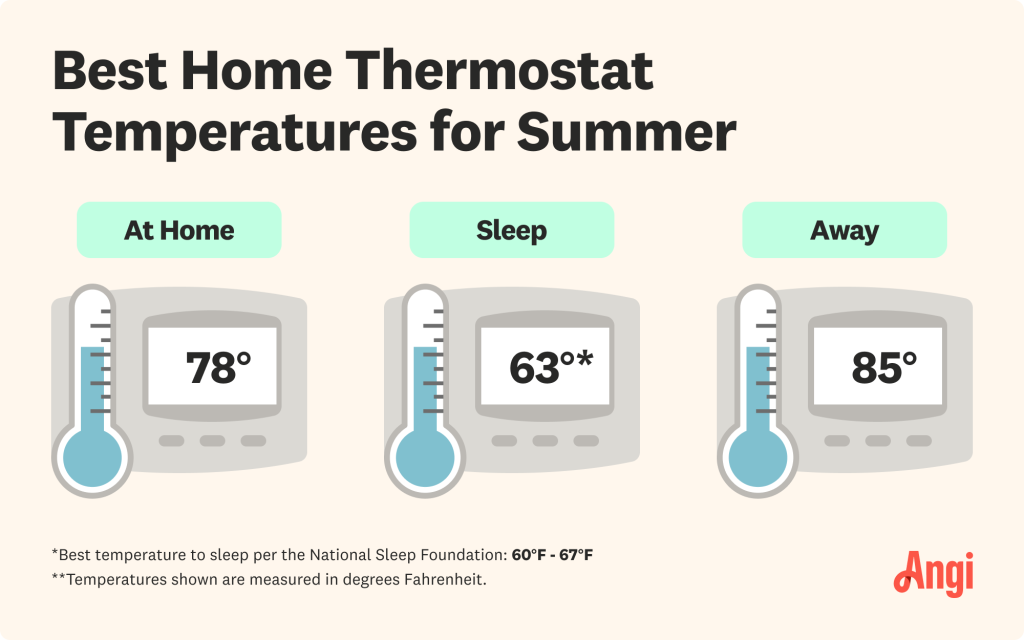
Experts suggest setting your AC to around 78°F (26°C) when you are home. This keeps you cool and saves energy.
- Set temperature higher when away to save energy
- Use fans to help air circulate and feel cooler
- Adjust blinds to reduce heat from the sun
Seasonal Temperature Settings
Changing your AC temperature with seasons helps comfort and cuts costs. Warmer in spring and fall, cooler in summer.
In winter, keep AC off or set to a higher temperature if needed. This avoids wasting energy on cooling.
- Spring and fall: 78°F (26°C) or higher
- Summer: 75-78°F (24-26°C) for best comfort
- Winter: Turn AC off or set above 80°F (27°C)

Credit: www.acostainc.com
Energy Efficiency Tips
Setting the right temperature on your air conditioner saves energy. It also keeps your home comfortable. Small changes can lower your energy use and bills.
Learn how to choose thermostat settings, use programmable thermostats, and understand how temperature affects your energy costs.
Optimal Thermostat Settings
Keep your air conditioner set at 78°F (26°C) when you are home. This setting balances comfort and energy use. Raise the temperature when you are away or asleep.
- Set temperature to 78°F (26°C) during the day
- Increase to 85°F (29°C) when away
- Use fans to help cool rooms
- Close curtains to block sunlight
Using Programmable Thermostats
Programmable thermostats change temperature settings automatically. You save energy by not cooling an empty home. Set schedules for workdays and weekends.
| Time of Day | Recommended Temperature |
| Day (Home) | 78°F (26°C) |
| Day (Away) | 85°F (29°C) |
| Night | 80°F (27°C) |
Impact Of Temperature On Energy Bills
Lower temperatures use more energy. Each degree cooler raises cooling costs by about 3% to 5%. Adjusting thermostat settings can reduce your bills quickly.
Tips to reduce energy bills:
- Increase thermostat setting by 1°F (0.5°C)
- Use ceiling fans to feel cooler
- Seal windows and doors to keep cool air inside
- Maintain your AC unit for best efficiency
Health Considerations
Setting the right temperature for your air conditioner helps protect your health. It can improve comfort and prevent problems.
Understanding how temperature affects your body and home keeps you safe and well. Let’s look at key health points.
Avoiding Overcooling
Keeping your air conditioner too cold can cause health issues. It may lead to dry skin, sore throats, and headaches.
- Set your AC between 75°F and 78°F to avoid cold air problems.
- Use fans to circulate air instead of lowering the temperature.
- Wear light clothes indoors to stay comfortable without overcooling.
Preventing Humidity And Mold
Humidity control is important to stop mold growth and allergies. The air conditioner helps remove moisture from the air.
| Humidity Level | Health Impact |
| Below 30% | Dry skin and irritated eyes |
| 30% to 50% | Comfortable and healthy range |
| Above 50% | Risk of mold and dust mites |
Temperature Effects On Sleep
Temperature affects how well you sleep. Too cold or too warm rooms make it harder to rest.
- Keep bedroom temperature around 72°F for better sleep.
- Avoid direct cold air on your body while sleeping.
- Use a timer to turn off the AC after you fall asleep.
Adjusting For Different Spaces
Setting the right air conditioner temperature depends on the space you want to cool. Different rooms need different settings for comfort and energy use.
Factors like room size, purpose, and how many people are inside affect the best temperature. Adjusting your AC helps save energy and keeps everyone comfortable.
Bedrooms Vs Living Areas
Bedrooms should be cooler at night to help with better sleep. A temperature around 65-70°F (18-21°C) works well for most people.
Living areas need a bit warmer setting since people move around more. Set your AC to about 72-78°F (22-26°C) for comfort during the day.
- Bedrooms: cooler at night for restful sleep
- Living rooms: warmer for active use
- Adjust based on personal comfort
Office And Commercial Settings
Offices need a steady temperature to keep workers comfortable and focused. The ideal range is 72-75°F (22-24°C).
Commercial spaces with many people may need cooler settings. This helps reduce heat from machines and body heat.
- Keep office temperature steady for focus
- Cool commercial areas to handle extra heat
- Adjust based on number of people and equipment
Handling Large Vs Small Rooms
Large rooms need lower temperatures or more powerful AC units. This keeps the space cool evenly.
Small rooms cool faster and may feel cold quickly. Set the temperature a bit higher to avoid overcooling.
- Large rooms: cooler settings and strong airflow
- Small rooms: warmer settings to prevent chill
- Balance temperature with room size for comfort
Smart Thermostat Features
Smart thermostats help manage your air conditioner’s temperature easily. They learn your preferences and save energy.
Using these devices can make your home more comfortable and reduce electricity bills.
Learning Temperature Preferences
Smart thermostats remember the temperatures you like at different times. They adjust settings automatically without you touching controls.
- Tracks when you lower or raise the temperature
- Remembers your favorite settings for morning and night
- Adjusts heating or cooling to keep you comfortable
Remote Control And Scheduling
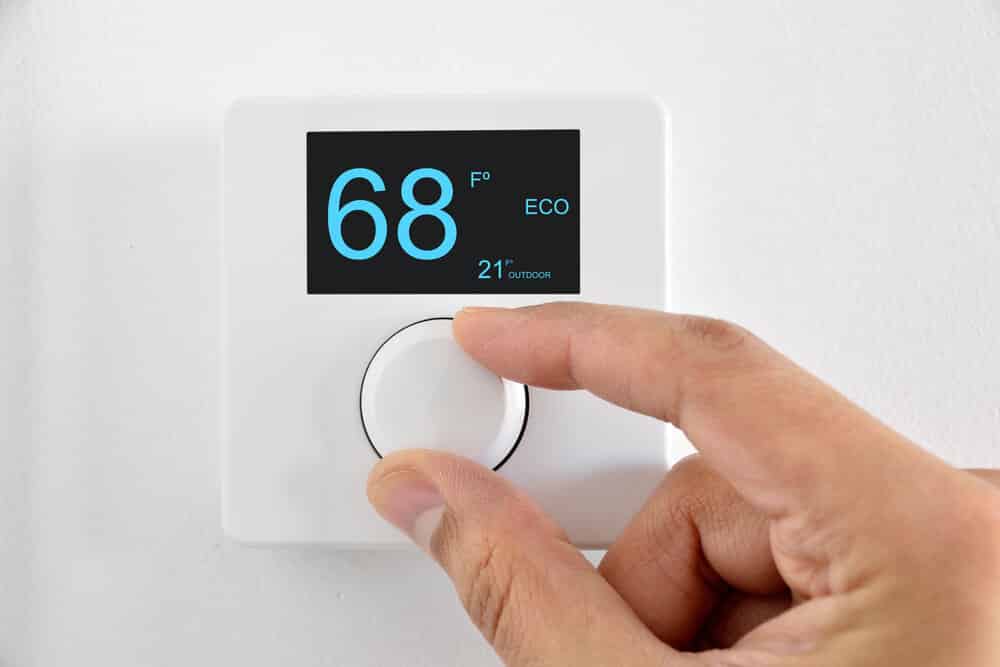
You can control your thermostat from your phone or computer. This feature lets you change the temperature before you get home.
| Feature | Benefit |
| Remote Control | Adjust temperature anywhere |
| Scheduling | Set times for heating or cooling |
| Vacation Mode | Save energy when away |
Energy Usage Reports
Smart thermostats show reports about your energy use. These reports help you see when your AC uses the most power.
- Daily energy consumption in kWh
- Cost estimate based on local rates
- Tips to reduce usage
Credit: fischerheating.com
Maintenance For Optimal Cooling
Keeping your air conditioner in good shape helps it cool better. Regular care saves energy and extends its life.
Simple maintenance tasks keep your AC running smoothly. These tasks improve cooling and reduce breakdowns.
Cleaning Filters Regularly
Dirty filters block air flow and reduce cooling. Clean filters help your AC work more efficiently.
Check filters every month during heavy use. Wash or replace them to keep air clean and cool.
- Remove the filter from the unit
- Use a vacuum or wash with water
- Let the filter dry completely before reinstalling
- Replace filters every 3 to 6 months if needed
Checking Refrigerant Levels
Refrigerant cools the air inside your home. Low levels make your AC less effective and may cause damage.
Check refrigerant levels yearly. If levels are low, a professional should add more to keep cooling strong.
- Look for ice on the coils or pipes
- Notice if the air feels warmer than usual
- Listen for hissing sounds near the unit
- Call a technician if you suspect a leak
Scheduling Professional Inspections
Experts can find hidden problems early. They check parts and clean areas hard to reach.
Set an inspection once a year. This keeps your AC working well and prevents big repairs.
- Inspect electrical connections
- Check thermostat function
- Clean condenser and evaporator coils
- Test system controls and safety features
Frequently Asked Questions
What Is The Best Ac Temperature For Sleeping?
The optimal AC temperature for sleeping is around 60 to 67°F (15. 6 to 19. 4°C). This range helps promote better sleep quality. It mimics the body’s natural drop in temperature during sleep, fostering a restful environment. Adjust according to personal comfort and seasonal changes.
How Does Ac Temperature Affect Energy Bills?
Setting your AC to a higher temperature can reduce energy bills. Each degree above 78°F (25. 6°C) can save around 6-8% on cooling costs. Using a programmable thermostat can also help manage energy consumption. Efficient settings balance comfort with cost-effectiveness.
Can Low Ac Temperatures Cause Health Issues?
Yes, setting your AC too low can cause health issues. Extremely low temperatures can lead to respiratory problems, dry skin, and colds. It’s essential to maintain a comfortable and moderate setting to ensure health and well-being. Aim for a balance between comfort and safety.
What Ac Temperature Is Best For Pets?
Keep your air conditioner at around 78°F (25. 6°C) for pets. This temperature keeps them comfortable without overcooling. Different pets have different tolerance levels, so consider their breed and size. Ensure they have access to warm areas if they get too cold.
Conclusion
Setting your air conditioner to a comfortable temperature saves energy and money. Aim for around 78°F (25-26°C) when you are home. Raise the temperature a few degrees when you leave. This keeps your home cool without wasting power. Regular maintenance also helps your AC work well.
Small changes make a big difference in comfort and bills. Stay cool, stay smart.