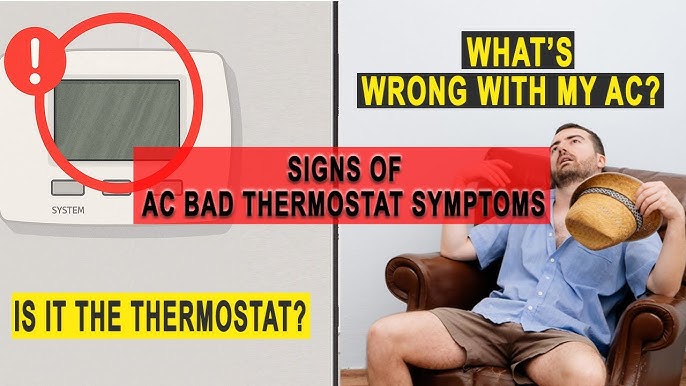
Is your air conditioner not keeping your home cool like it used to? You might be dealing with a bad thermostat.
Knowing when your thermostat is failing can save you time, money, and discomfort. You’ll learn the key signs to watch for and simple ways to check if your thermostat is the real problem. Keep reading to make sure your AC is working perfectly when you need it most.

Credit: medium.com
Signs Of A Faulty Thermostat
Your air conditioner thermostat controls the temperature in your home. A bad thermostat can cause discomfort and higher energy bills.
Knowing the signs of a faulty thermostat helps you fix or replace it on time. Check these common problems below.
Inconsistent Temperature Readings
The thermostat may show different temperatures than the room actually feels. This can make your AC run too long or not enough.
You might notice the room feels hot, but the thermostat shows a cool temperature. This means it is not sensing the right heat level.
Unresponsive Controls
If you change settings and nothing happens, the thermostat might be faulty. It should respond quickly to your commands.
Buttons or touchscreens that do not work can stop you from adjusting temperature or switching your AC on and off.
Frequent Cycling Of Ac
A bad thermostat can cause your AC to turn on and off too often. This is called frequent cycling and wastes energy.
The AC may start cooling, then stop quickly, and repeat this many times. This can wear out the system faster.
Thermostat Display Issues
The display screen might flicker, go blank, or show strange symbols. This can mean the thermostat is failing.
Without a clear display, it is hard to set the right temperature or check the thermostat’s status.

Credit: coralac.com
Common Causes Of Thermostat Problems
Your air conditioner thermostat controls the temperature in your home. If it is not working well, your AC may run too much or not enough. Several common issues can cause thermostat problems.
Knowing these causes helps you find the problem faster. Some issues are easy to fix, while others may need a professional.
Dead Batteries
Many thermostats use batteries to work. When the batteries die, the thermostat may stop working or show wrong temperatures. Replacing batteries often solves the problem quickly.
Wiring Issues
Wiring connects your thermostat to the air conditioner. Loose or broken wires cause the thermostat to fail. These issues can cause the AC to turn on and off at wrong times.
- Check for loose wire connections
- Look for damaged or frayed wires
- Ensure wires are connected to the right terminals
- Call an electrician if you see serious damage
Sensor Malfunctions
The sensor inside the thermostat reads room temperature. If it is dirty or broken, the thermostat gets wrong readings. This causes the AC to run too long or not enough.
| Sensor Problem | Effect on AC |
| Dirty sensor | Incorrect temperature reading |
| Broken sensor | Thermostat stops working |
| Misplaced sensor | Wrong room temperature detected |
Age And Wear
Old thermostats wear out over time. Buttons may stop working and displays can fail. Aging parts cause poor performance and errors in temperature control.
Signs of an old thermostat:
- Screen flickers or goes blank
- Buttons do not respond
- Temperature settings reset by themselves
- Thermostat does not match room temperature
Basic Thermostat Troubleshooting
Your air conditioner thermostat controls the temperature in your home. If it stops working right, your house can get too hot or cold. Basic troubleshooting can help you find out if the thermostat is bad.
Check simple things first before calling a repair person. This guide will help you test your thermostat step by step.
Checking Power Supply
A thermostat needs power to work. If it has no power, it won’t control your air conditioner. Check if the thermostat display is on. If it is blank, power might be off.
Look for a tripped circuit breaker or a blown fuse that stops power from reaching the thermostat. Make sure batteries, if used, have enough charge.
- Check the thermostat screen for any display
- Look at your home’s circuit breaker panel
- Replace thermostat batteries if needed
Resetting The Thermostat
Sometimes the thermostat software can freeze or act oddly. Resetting the thermostat can fix this. Most thermostats have a reset button or a way to reset from the menu.
Turn off the thermostat, wait a minute, then turn it back on. This can clear errors and refresh its functions.
- Turn off the thermostat power
- Wait about 60 seconds
- Turn the thermostat back on
- Check if it works properly
Calibrating Temperature Settings
Your thermostat may show the wrong temperature. This can cause the air conditioner to run too much or too little. Calibrating the thermostat helps fix this problem.
Compare the thermostat reading with a separate thermometer. Adjust the thermostat settings to match the actual temperature if there is a big difference.
- Place a thermometer near the thermostat
- Note the temperature on both devices
- Use thermostat settings to adjust the display
- Repeat until both temperatures match
Inspecting Wiring Connections
Loose or damaged wires can stop the thermostat from working. Turn off power before checking wires. Look for wires that are loose, broken, or corroded.
Make sure all wires connect to the right terminals. Tighten any loose screws and fix damaged wires carefully.
- Turn off power to the thermostat
- Remove the thermostat cover
- Check each wire connection
- Tighten loose wires with a screwdriver
- Replace damaged wires if needed
When To Replace Your Thermostat
Your air conditioner thermostat controls the temperature of your home. A bad thermostat can cause discomfort and higher energy bills. Knowing when to replace it saves you money and hassle.
Look for signs that your thermostat does not work right. Some problems mean it is time for a new one. Others may show that upgrading is smart for your home.
Persistent Malfunctions
If your thermostat often stops working or shows wrong temperatures, it may be broken. Constant issues can cause your air conditioner to run too much or not enough.
- Temperature does not match the setting
- Thermostat screen is blank or flickers
- Heating or cooling cycles are too short or long
- Thermostat does not respond to button presses
If you see these problems often, replacing your thermostat can fix the issue.
Upgrading To A Smart Thermostat
Smart thermostats offer better control and can save energy. They learn your schedule and adjust temperatures automatically. You can control them from your phone.
- Remote control via smartphone apps
- Energy usage reports
- Easy scheduling for heating and cooling
- Compatibility with voice assistants
If your current thermostat is old, switching to a smart one can improve comfort and lower bills.
Energy Efficiency Considerations
| Thermostat Type | Energy Savings | Cost |
| Basic Manual | Low | Low |
| Programmable | Medium | Medium |
| Smart | High | High |
Replacing an old thermostat with a more efficient model helps reduce energy waste. Choose the type that fits your budget and needs.
Tips For Maintaining Your Thermostat
Your air conditioner thermostat controls the temperature in your home. Keeping it in good shape helps your AC work well. Simple maintenance can stop problems early.
Follow these easy tips to keep your thermostat accurate and reliable all year long.
Regular Cleaning
Dust and dirt can build up on your thermostat and cause it to work poorly. Clean it often to avoid this issue. Use a soft cloth or a small brush to remove dust from the surface and buttons.
- Turn off the thermostat before cleaning
- Use a dry, soft brush or cloth
- Do not use water or spray cleaners
- Gently clean around the display and buttons
Seasonal Battery Replacement
Many thermostats use batteries to keep working during power outages. Weak batteries can cause errors or loss of settings. Change batteries at least once a year.
| Season | Recommended Battery Change |
| Spring | Before summer cooling starts |
| Fall | Before winter heating starts |
Professional Inspections
Have a professional check your thermostat and AC system once a year. They can find problems that are not easy to spot. This helps avoid costly repairs later.
- Check thermostat accuracy
- Test wiring and connections
- Inspect sensor function
- Verify system response to thermostat settings

Credit: coralac.com
Frequently Asked Questions
How Can I Tell If My Thermostat Is Malfunctioning?
If your air conditioner won’t turn on or off as expected, the thermostat may be faulty. Check for unresponsive temperature changes or inaccurate readings. These signs usually indicate a bad thermostat that needs repair or replacement.
What Causes An Air Conditioner Thermostat To Fail?
Thermostat failure often results from age, dust buildup, or electrical issues. Frequent temperature fluctuations and poor calibration can also cause it to malfunction. Regular maintenance helps prevent these problems and extends thermostat life.
Can A Bad Thermostat Affect Ac Efficiency?
Yes, a faulty thermostat can cause your AC to run inefficiently. It may lead to uneven cooling or continuous operation, increasing energy bills. Replacing or fixing the thermostat restores proper control and improves efficiency.
How Do I Reset A Malfunctioning Thermostat?
To reset, turn off the thermostat and power to the AC unit. Wait a few minutes, then turn both back on. This simple step often resolves minor glitches and restores normal function.
Conclusion
A bad thermostat can cause many AC problems. Check for strange temperature changes or no cooling. Simple tests help find thermostat issues fast. Fixing or replacing a faulty thermostat saves energy and money. Stay comfortable by keeping your AC controls working well.
Regular checks prevent bigger problems later. Trust your senses and act early to keep cool.