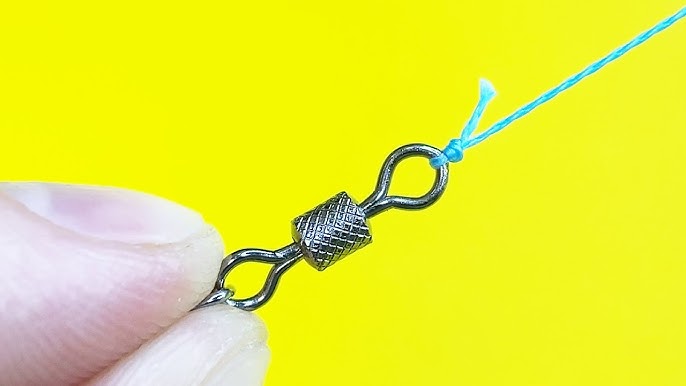
If you want to improve your fishing game, knowing how to attach a swivel to your fishing line is a must. A swivel keeps your line from twisting and tangling, making your fishing experience smoother and more enjoyable.
In this guide, you’ll learn simple, step-by-step instructions that anyone can follow. By the end, you’ll feel confident tying a strong, reliable swivel connection that helps you catch more fish without the frustration of knots coming undone. Ready to make your tackle box smarter?
Let’s dive in!
Choosing The Right Swivel
Attaching a swivel to a fishing line helps prevent twists and tangles. Picking the right swivel is important for a smooth fishing experience.
You need to consider the type and size of the swivel to match your fishing needs. This guide will help you choose the right one.
Types Of Swivels
There are several types of swivels for different fishing styles. Each type works best in specific situations.
- Barrel Swivel:The most common type. It rotates freely and prevents line twists.
- Ball Bearing Swivel:Has small ball bearings inside. It spins smoothly and is good for heavy fishing lines.
- Snap Swivel:Includes a clip for quick lure changes. Useful for anglers who switch baits often.
- Coastlock Swivel:Strong and secure, often used for big fish and heavy lines.
Matching Swivel Size To Line Strength
Choosing the right swivel size is key to keeping your line strong and reliable. Use a swivel that fits your line’s weight rating.
A swivel too small may break under pressure. Too large can be heavy and scare fish away.
| Swivel Size | Line Strength (lbs) |
|---|---|
| Small (Size 10-12) | 2 – 8 lbs |
| Medium (Size 6-8) | 10 – 20 lbs |
| Large (Size 3-4) | 25 – 40 lbs |
| Extra Large (Size 1/0 and up) | 50+ lbs |

Credit: www.youtube.com
Preparing The Fishing Line
Preparing the fishing line is the first step to attach a swivel properly. A clean and strong line helps the swivel work well.
Taking time to prepare your line can prevent problems while fishing. It also keeps your gear safe and secure.
Cutting The Line
Cut the fishing line straight to get a clean end. Use sharp scissors or a line cutter for the best cut.
A straight cut helps the knot hold tight to the swivel. Avoid jagged or frayed ends because they weaken the line.
- Use sharp scissors or a line cutter
- Cut the line straight across
- Avoid crushing or twisting the line
- Cut only the needed amount to avoid waste
Checking For Damage
Look over the fishing line carefully before attaching the swivel. Check for any cuts, frays, or weak spots.
Damaged lines can break easily and cause you to lose your catch. Replace or trim damaged parts to keep the line strong.
- Check for small cuts or nicks
- Look for frayed or fuzzy areas
- Test the line’s strength by pulling gently
- Replace the line if damage is severe
Popular Knots For Attaching Swivels
Attaching a swivel to a fishing line is important to keep your line from twisting. Using the right knot makes the connection strong and reliable.
Many anglers use simple knots that hold well and are easy to tie. Below are three popular knots to attach swivels.
Improved Clinch Knot
The Improved Clinch Knot is common for tying swivels. It is strong and works well with many line types.
To tie it, pass the line through the swivel eye and wrap it around the line five times. Then, thread the tag end through the small loop near the eye and pull tight.
- Pass line through swivel eye
- Wrap line around itself 5 times
- Thread tag end through small loop
- Pull tight and trim excess line
Palomar Knot
The Palomar Knot is known for its strength and simplicity. It keeps the swivel very secure on the line.
Double the line and pass it through the swivel eye. Tie a loose overhand knot, then pass the swivel through the loop. Pull the knot tight.
- Double the line and pass through swivel eye
- Tie a loose overhand knot
- Pass swivel through the loop
- Pull knot tight and trim excess
Uni Knot
The Uni Knot is versatile and works well for attaching swivels. It is easy to adjust before tightening.
Pass the line through the swivel eye and make a loop. Wrap the tag end around both lines five times. Pull the tag end to tighten the knot.
- Pass line through swivel eye and form a loop
- Wrap tag end around lines 5 times
- Pull tag end to tighten knot
- Slide knot to swivel and trim excess
Step-by-step Knot Tying Process
Attaching a swivel to a fishing line helps prevent line twists. The process uses a simple knot that holds the swivel securely.
Follow these steps to tie the knot right. This guide shows how to thread, form, and tighten the knot.
Threading The Swivel
First, take the end of your fishing line. Pass it through the eye of the swivel carefully.
Pull enough line through to make tying the knot easier later.
Forming The Knot
Make a loop by bending the line back towards itself near the swivel.
Wrap the loose end around the standing line five to seven times. Then, thread the loose end back through the loop near the swivel eye.
- Bend the line to form a loop near the swivel
- Wrap the loose end around the standing line 5-7 times
- Pass the loose end through the loop beside the swivel eye
Tightening And Securing
Hold the swivel and pull the standing line to tighten the wraps. Make sure the coils snug neatly against the swivel eye.
Wet the knot with water or saliva before pulling tight. This reduces friction and helps the knot hold better.
- Hold the swivel firmly
- Pull the standing line slowly to tighten the knot
- Check that coils lie close to the swivel eye
- Wet the knot before final tightening
Testing The Attachment
After attaching a swivel to your fishing line, it is important to test the connection. Testing makes sure the swivel will not come loose while fishing.
Two main checks help confirm a strong and secure attachment. These are pulling for strength and checking for slippage.
Pulling For Strength
Pull the line hard to test the strength of the knot. Use a slow and steady force. This simulates the pull when a fish is caught.
If the knot holds firm, the attachment is strong. If it slips or breaks, redo the knot using the right technique.
- Hold the swivel and line firmly
- Pull the line slowly with force
- Feel for any slipping or loosening
- Repeat a few times for consistency
Checking For Slippage
Look closely at the knot for any signs of slipping. Slippage means the knot is not tight enough and can fail during use.
Check the line near the swivel for any movement. The knot should stay in place without sliding along the line.
- Inspect the knot under good light
- Pull gently to see if the knot shifts
- Look for any loosened loops or gaps
- Retie the knot if you notice slippage
Common Mistakes To Avoid
Attaching a swivel to a fishing line seems simple but many make mistakes. These errors can cause lost fish or damaged gear.
Here are common mistakes to avoid for a strong and reliable connection.
Using Incorrect Knot
Choosing the wrong knot weakens your fishing line connection. Some knots slip or break under pressure.
- Do not use simple knots like the overhand knot alone.
- Use knots known for swivel attachment, such as the improved clinch knot or Palomar knot.
- Practice tying knots to ensure they hold well before fishing.
Not Wetting The Knot
Dry knots can weaken and break when tightened. Wetting the knot reduces friction and heat.
Follow these tips:
- Moisten the knot with water or saliva before tightening.
- Tighten slowly and evenly to avoid damaging the line.
- Check the knot for tightness and trim excess tag ends carefully.
Overtightening
Pulling the knot too tight can damage the fishing line and swivel eye.
| Problem | Effect |
| Too tight knot | Line weakens or breaks easily |
| Too loose knot | Swivel may slip off |
| Proper tension | Strong and secure connection |
Maintaining Your Swivel And Line
Keeping your swivel and fishing line in good shape helps you fish safely. Proper care makes your gear last longer and work better.
Regular checks and cleaning prevent damage. Follow simple steps to keep everything ready for your next trip.
Cleaning After Use
Saltwater and dirt can harm your swivel and line. Clean them well after each use to stop rust and wear.
- Rinse your swivel and line with fresh water.
- Use a soft cloth to remove dirt and salt.
- Dry everything completely before storing.
- Check for any signs of damage or rust.
Replacing Worn Swivels
Swivels wear out after time and use. Replace them if you see damage to avoid losing your catch.
| Signs of a Worn Swivel | What to Do |
| Rust or corrosion | Replace immediately |
| Stiff or stuck rotation | Replace to ensure smooth movement |
| Visible cracks or bends | Do not use, replace right away |
| Loose or damaged rings | Change swivel for safety |

Credit: www.ohero.com

Credit: mysterytacklebox.com
Frequently Asked Questions
What Is A Fishing Swivel Used For?
A fishing swivel prevents line tangling by allowing the line to spin freely. It connects the main line to the leader or lure. This tool is essential for smooth casting and reeling, enhancing your fishing experience. Using a swivel can also improve bait presentation and reduce line twist.
How To Choose The Right Swivel Size?
Select a swivel size based on the line strength and target fish. Smaller swivels suit light lines and small fish, while larger ones handle heavier lines and bigger fish. Check the weight rating on the swivel package. Always ensure the swivel size matches your fishing needs.
Do I Need A Knot For Attaching Swivels?
Yes, tying a knot is essential for attaching swivels securely. Popular knots include the improved clinch knot and Palomar knot. These knots provide strength and reliability. Ensure the knot is tight and trimmed neatly to prevent slipping. Practice tying knots to ensure a secure connection.
Can Swivels Affect Casting Distance?
Swivels can slightly impact casting distance due to added weight and drag. Choose lightweight, small swivels to minimize this effect. Properly balancing your tackle setup helps maintain casting efficiency. The benefits of reduced line twist often outweigh the minor reduction in distance.
Conclusion
Attaching a swivel to a fishing line keeps your setup strong and tangle-free. This simple step helps your bait move naturally in the water. Using the right knot ensures the swivel stays secure during fishing. Practice tying the knot a few times to get it right.
With this skill, fishing becomes easier and more enjoyable. Try it on your next fishing trip and see the difference. Small details like this can improve your catch. Keep your gear ready and fishing fun.