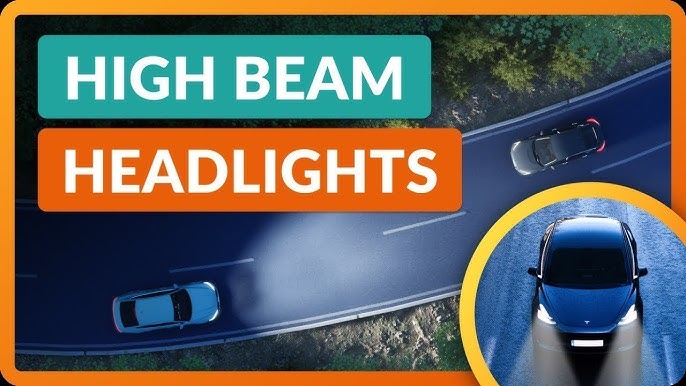
Have you ever wondered what those bright lights on the front of your car really do? Headlights are more than just shining beams—they are your eyes on the road when darkness falls or weather turns bad.
Understanding what headlights are and how they work can keep you safer and help you make smarter choices for your vehicle. Keep reading to discover everything you need to know about the headlights on your car and why they matter more than you might think.
Types Of Car Headlights
Car headlights help drivers see the road at night and in bad weather. There are different types of headlights that use various technologies.
Each type has its own advantages and features. Knowing them can help you understand how your car lights work.
Halogen Bulbs
Halogen bulbs are the most common headlights on cars. They use a tungsten filament inside a glass bulb filled with halogen gas.
These bulbs are inexpensive and easy to replace. They produce a yellowish light and use more energy than newer types.
Led Headlights
LED headlights use light-emitting diodes to create bright white light. They are energy efficient and last longer than halogen bulbs.
LEDs turn on quickly and can be made in different shapes for better design. They are becoming popular in modern cars.
Hid/xenon Lamps
HID or Xenon lamps use gas discharge to produce a bright and intense white or blue light. They need a special ballast to work.
These headlights are brighter than halogen and use less power. They help drivers see farther at night.
Laser Headlights
Laser headlights use laser beams to create very bright light. They are very small and use less energy than other types.
These headlights can light up the road farther and are found in some high-end cars. They are still new and expensive.
Credit: www.right2drive.com.au
How Headlights Work
Headlights help drivers see the road in the dark. They light up the path ahead clearly.
Different parts of a headlight work together to focus and spread light safely.
Light Projection
Light projection means shining light forward from the bulb. The bulb creates light inside the headlight.
The light must be directed so drivers see the road but other drivers are not blinded.
Beam Patterns
Beam patterns shape how light spreads on the road. There are two main patterns:
- Low beam: lights up close and to the side without blinding others
- High beam: shines far and wide for open roads
Reflectors And Lenses
Reflectors and lenses focus and control the light beam. Reflectors bounce light forward.
| Part | Function |
|---|---|
| Reflector | Redirects light from the bulb forward |
| Lens | Focuses and shapes the light beam |
| Bulb | Produces the light |
Headlight Functions
Car headlights are important for safe driving. They help drivers see the road in the dark and bad weather.
Different types of headlights serve different purposes. Each helps drivers in specific ways.
Low Beam Purpose
Low beams light up the road ahead without blinding other drivers. They are used for regular night driving.
Low beams focus light downward and to the right. This keeps other drivers safe from glare.
High Beam Use
High beams give a brighter and longer light range. They help drivers see far away on dark roads.
Use high beams only when no other cars are nearby. They can blind oncoming traffic and cause danger.
Daytime Running Lights
Daytime running lights (DRLs) make cars more visible during the day. They turn on automatically when the car moves.
DRLs help other drivers see your car sooner. They improve safety in daylight conditions.
Adaptive Headlights
Adaptive headlights change direction with the steering wheel. They light up curves and turns better.
These headlights improve visibility on winding roads. They help you see hazards sooner and drive safer.
Legal Requirements For Headlights
Headlights are important safety features on cars. They help drivers see and be seen in low light. Laws control how headlights must be used and built.
These laws cover brightness, color, placement, and when headlights must be on. Following these rules keeps roads safe for everyone.
Brightness And Color Standards
Headlights must meet specific brightness levels to avoid blinding other drivers. The color of the light is also regulated to ensure visibility and safety.
- Brightness must be strong enough to light the road clearly.
- Colors allowed are usually white or yellow.
- Blue, red, or green lights are generally not legal for headlights.
- Lights must not flicker or flash unexpectedly.
Placement And Alignment Rules
Headlights must be placed and aligned correctly on the car. This helps the driver see the road and stops glare for others.
| Requirement | Details |
| Height | Headlights must be a set height from the ground, usually between 22 and 54 inches. |
| Spacing | There must be a minimum distance between the two headlights to cover the road well. |
| Angle | Headlights must point straight or slightly downward to avoid blinding others. |
| Symmetry | Both headlights must be aligned evenly on the same level. |
Mandatory Headlight Use
Drivers must use headlights at certain times and conditions to stay safe on the road. Laws tell when and how to use them.
- Use headlights from sunset to sunrise.
- Turn on headlights during rain, fog, or snow.
- Use low beams when driving near other cars.
- High beams are allowed only on empty roads without oncoming traffic.
- Headlights must be on when windshield wipers are in use.
Maintaining Car Headlights
Car headlights are important for safe driving at night and in bad weather. Keeping them in good shape helps you see better and lets others see your car.
Regular care can extend the life of your headlights and keep them bright. This guide covers cleaning, bulb replacement, and light upgrades.
Cleaning And Polishing
Dirt and scratches on headlights reduce light output. Cleaning and polishing can restore clarity and brightness. Use gentle cleaners and soft cloths to avoid damage.
- Wash headlights with soap and water first
- Apply a plastic polish or headlight restoration kit
- Use a microfiber cloth to buff the surface
- Repeat polishing if headlights remain cloudy
- Apply a UV sealant to protect from sun damage
Replacing Bulbs
Headlight bulbs dim over time and need replacement. Choose the correct type for your car and handle bulbs carefully to avoid damage.
| Bulb Type | Common Use | Replacement Tip |
| Halogen | Most standard headlights | Wear gloves to avoid oil on glass |
| HID (Xenon) | Brighter, used in many newer cars | Replace bulbs in pairs for even light |
| LED | Long-lasting, energy efficient | Check compatibility with car system |
Upgrading To Modern Lights
Modern headlights improve visibility and style. Upgrades include LED and HID lights that use less power and last longer than old bulbs.
Benefits of upgrading headlights:
- Brighter light for safer night driving
- Lower energy use saves battery power
- Longer lifespan means fewer replacements
- Modern look enhances car appearance
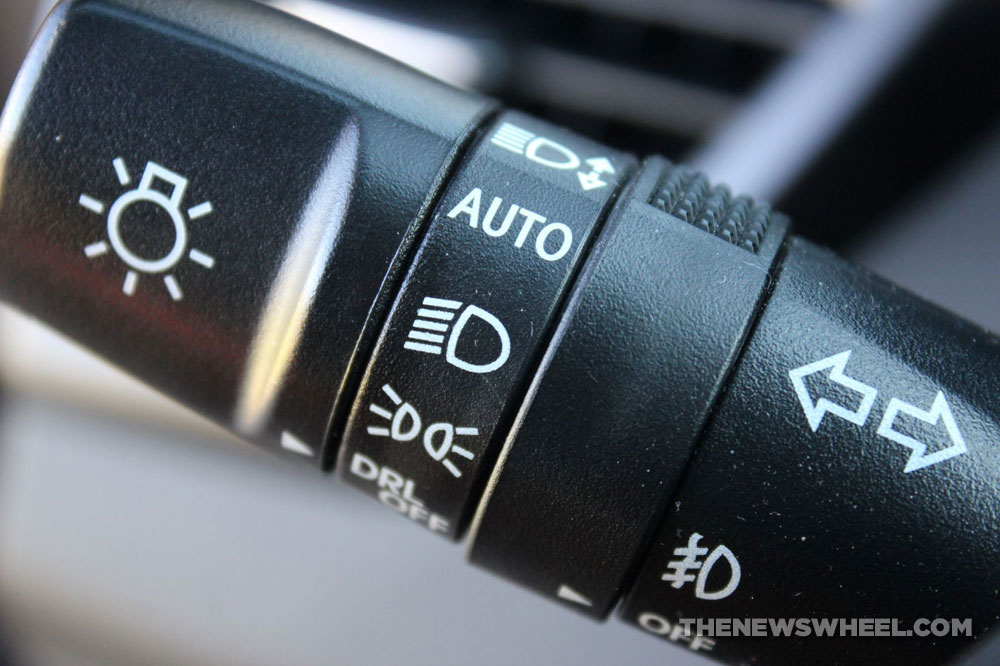
Credit: thenewswheel.com
Common Headlight Issues
Headlights are important for safe night driving. They help you see the road clearly.
Sometimes headlights can have problems. These issues affect how well you can see.
Dim Or Flickering Lights
Dim or flickering headlights can make driving dangerous. This happens when bulbs are old or power is low.
- Worn out bulbs need replacement.
- Loose wiring can cause flickering.
- Bad battery or alternator lowers power.
- Dirty headlight lenses reduce brightness.
Condensation Inside Headlights
Condensation forms inside headlights when moisture enters the sealed unit. This can blur your vision.
| Cause | Effect |
| Cracked headlight housing | Water leaks inside |
| Broken seals | Air and moisture enter |
| Sudden temperature changes | Condensation forms |
Alignment Problems
Headlights that are not aligned properly can blind other drivers or reduce your road view.
Signs of alignment problems:
- Light beams point too high or too low.
- Uneven light spread on the road.
- Glare seen by oncoming traffic.
Fixing alignment usually requires adjustment screws or professional help.

Credit: www.carparts.com
Frequently Asked Questions
What Are The Types Of Car Headlights?
Car headlights come in several types: halogen, LED, and HID (xenon). Halogen bulbs are common and affordable but less efficient. LEDs are energy-efficient, long-lasting, and provide bright light. HID lights are very bright and have a bluish tint but can be more expensive.
Each type has its pros and cons.
How Do Led Headlights Work?
LED headlights use light-emitting diodes to produce bright illumination. They are energy-efficient and consume less power than halogen bulbs. LEDs convert electricity into light through semiconductors. This process generates minimal heat, making LEDs long-lasting and durable. They offer superior brightness, enhancing visibility on the road.
What Is The Lifespan Of Car Headlights?
The lifespan of car headlights varies by type. Halogen bulbs last about 500 to 1,000 hours. LED headlights can last up to 30,000 hours, making them more durable. HID bulbs typically last between 2,000 to 3,000 hours. Regular maintenance can extend the lifespan of your headlights.
Are Brighter Headlights Better For Night Driving?
Brighter headlights improve visibility during night driving, enhancing safety. LED and HID lights offer superior brightness compared to halogen bulbs. However, excessively bright lights can blind oncoming drivers. It’s essential to adjust your headlights correctly to avoid glare. Balance brightness with safety for optimal night driving conditions.
Conclusion
Car headlights help drivers see clearly at night and in bad weather. They also make cars visible to others, keeping everyone safe. Different types of headlights serve different purposes, such as low beams for city driving and high beams for open roads.
Regularly checking and maintaining headlights improves safety and avoids accidents. Knowing how headlights work can help you drive better. Bright, well-functioning headlights make every trip safer and easier. Keep your headlights clean and replace bulbs when needed. Safe driving starts with clear vision ahead.