
Have you ever wondered if your air conditioner could be releasing something dangerous into your home? Carbon monoxide is a silent threat that many people worry about, but does your AC unit actually give off this harmful gas?
Understanding the truth behind this question is crucial for keeping your family safe and breathing easy. Keep reading to discover the facts and learn how to protect your home from hidden risks you might not even know about.
Credit: www.carrier.com
How Air Conditioners Work
Air conditioners cool indoor spaces by removing heat from the air. They use a cycle that moves heat outside your home.
This process involves several parts working together to keep rooms comfortable during hot days.
Cooling Mechanism
The cooling system uses a refrigerant that absorbs heat from inside the house. The warm air passes over cold coils containing this refrigerant.
- The refrigerant evaporates and picks up heat.
- The warm refrigerant moves outside to the compressor.
- The compressor squeezes the refrigerant, raising its temperature.
- The hot refrigerant passes through condenser coils and releases heat outside.
- The refrigerant cools down and cycles back inside to repeat the process.
Energy Sources
| Energy Type | Purpose |
| Electricity | Powers the compressor, fan, and controls |
| Refrigerant | Transfers heat from inside to outside |
Air conditioners use electricity to run. They do not burn fuel, so they do not produce carbon monoxide.
Carbon Monoxide Basics
Carbon monoxide is a colorless, odorless gas. It can be very dangerous if breathed in.
This gas comes from burning fuels like gas, wood, and coal. It stops your blood from carrying oxygen.
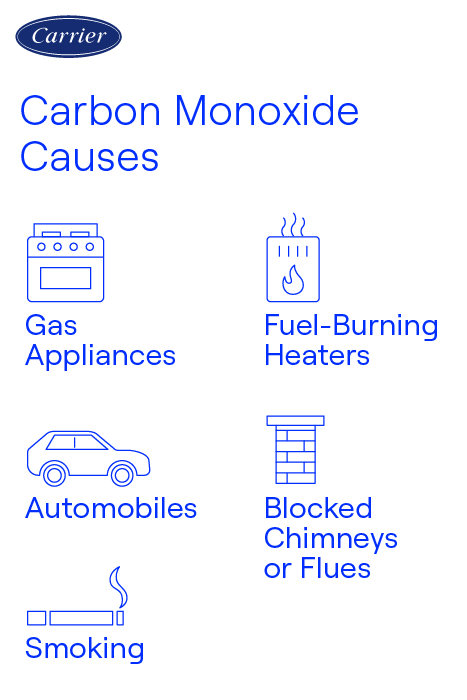
Sources Of Carbon Monoxide
Carbon monoxide comes from many common sources in homes and outdoors. It is important to know where it comes from.
- Gas stoves and ovens
- Fireplaces and wood stoves
- Car engines in closed garages
- Gas water heaters
- Portable generators
- Charcoal grills used indoors
An air conditioner itself does not give off carbon monoxide. It cools air but does not burn fuel.
Health Risks
Breathing carbon monoxide can cause serious health problems. It can harm anyone in the home.
| Symptom | Effect |
| Headache | Early warning sign |
| Dizziness | Loss of balance and focus |
| Nausea | Feeling sick to the stomach |
| Confusion | Hard to think clearly |
| Unconsciousness | Loss of awareness |
| Death | High exposure risk |
If you feel any symptoms, get fresh air and seek help immediately. Detectors can warn you about carbon monoxide.
Air Conditioners And Carbon Monoxide
Many people worry if air conditioners produce carbon monoxide. This concern comes from confusion about how these devices work. Understanding the facts helps keep your home safe.
This article explains common misunderstandings and what air conditioners actually emit. Read on to learn the truth about carbon monoxide and air conditioning units.
Common Misconceptions
Some people think air conditioners produce carbon monoxide like gas heaters. This is not true. Air conditioners cool air using electricity, not by burning fuel.
- Air conditioners do not burn fuel inside your home.
- They do not have a flame or combustion process.
- Carbon monoxide is a byproduct of burning fuel, so AC units do not produce it.
- Confusing air conditioners with heaters can cause wrong assumptions.
Actual Emissions
Air conditioners release small amounts of other emissions, but not carbon monoxide. These emissions mainly come from the electricity source or refrigerants used.
| Emission Type | Source | Impact |
| Carbon Monoxide | None from AC unit | Not produced |
| Greenhouse Gases | Refrigerants | Can affect climate |
| Indirect Emissions | Electricity generation | Depends on power source |
Comparing Acs With Other Appliances
Many people wonder if air conditioners give off carbon monoxide. Carbon monoxide is a dangerous gas. It can cause serious health problems.
It helps to compare air conditioners with other common home appliances. Some appliances produce carbon monoxide. Others do not.
Furnaces And Heaters
Furnaces and heaters that burn fuel can produce carbon monoxide. This happens when the fuel does not burn fully. Gas, oil, and wood heaters all can give off this gas.
Electric heaters and furnaces do not create carbon monoxide. They use electricity, so no burning occurs. Proper ventilation is still important for all heaters.
- Fuel-burning furnaces can produce carbon monoxide.
- Electric furnaces do not produce carbon monoxide.
- Always keep heaters well maintained and ventilated.
Gas Stoves And Generators
Gas stoves burn natural gas or propane. When used indoors without good ventilation, they can release carbon monoxide. This makes it important to use stoves safely.
Generators that run on gasoline or diesel also produce carbon monoxide. They should only be used outside. Running them indoors or in garages is very dangerous.
- Gas stoves may emit carbon monoxide if not ventilated.
- Generators produce carbon monoxide and must be used outdoors.
- Never use fuel-burning devices in closed spaces.
Safety Tips For Indoor Air Quality
Many people wonder if air conditioners give off carbon monoxide. Air conditioners do not produce this gas. Carbon monoxide comes from burning fuel, not cooling systems.
Keeping indoor air safe means using proper ventilation and detectors. These steps help prevent carbon monoxide buildup inside your home.
Proper Ventilation
Good ventilation helps fresh air enter and stale air exit your home. This lowers the chance of harmful gases like carbon monoxide building up indoors.
Open windows or use exhaust fans when using fuel-burning appliances. Make sure vents are not blocked or closed off.
- Keep vents clear and clean
- Use kitchen and bathroom fans regularly
- Open windows when possible
- Check that heating systems vent outside
Carbon Monoxide Detectors
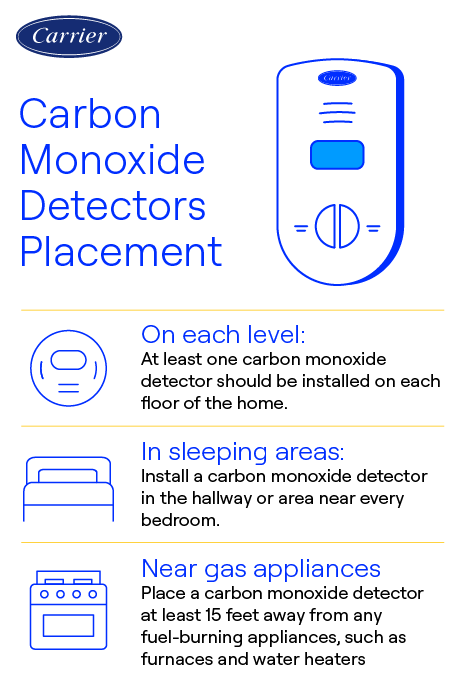
Carbon monoxide detectors alert you if this gas is present. They save lives by warning before levels get dangerous.
Install detectors near sleeping areas and fuel appliances. Test them monthly and replace batteries as needed.
- Place detectors on every floor
- Avoid putting them near vents or windows
- Test alarms monthly
- Replace batteries once a year
Credit: www.carrier.com
Energy Efficiency And Environmental Impact
Air conditioners help keep buildings cool but use energy. The type of energy they use affects the environment.
Understanding how air conditioners work can show their impact on carbon emissions and energy use.
Electric Vs Gas-powered Units
Electric air conditioners run on electricity and do not burn fuel on site. Gas-powered units burn natural gas to create cooling.
| Type | Energy Source | Carbon Monoxide Emission | Typical Efficiency |
|---|---|---|---|
| Electric | Electricity (grid or renewable) | None directly from the unit | High |
| Gas-Powered | Natural Gas | Possible carbon monoxide if poorly maintained | Moderate |
Electric units do not emit carbon monoxide at the site. Gas-powered units can emit this gas if not working well.
Reducing Carbon Footprint
Lowering energy use helps cut carbon dioxide and other greenhouse gases. Choosing efficient cooling lowers your carbon footprint.
- Use air conditioners with a high energy efficiency rating.
- Keep units well maintained to work better.
- Set thermostats to a moderate temperature.
- Use fans to help spread cool air.
- Consider renewable energy sources for electricity.
Credit: www.diychatroom.com
Frequently Asked Questions
Can Air Conditioners Emit Carbon Monoxide?
No, air conditioners do not emit carbon monoxide. They function using electricity, not combustion, which produces carbon monoxide. However, improper installation near other appliances can lead to indirect exposure if those appliances leak. It’s always best to ensure proper installation and regular maintenance to avoid any risks.
How Does An Air Conditioner Work?
Air conditioners work by removing heat from indoor air. They use a refrigerant to absorb heat and release it outside. This process cools the air and circulates it back into the room. No combustion occurs, so there’s no risk of carbon monoxide production.
Is It Safe To Run An Air Conditioner Indoors?
Yes, it’s safe to run an air conditioner indoors. They are designed for indoor use and pose no carbon monoxide risk. Ensure proper ventilation and regular maintenance to optimize performance. Always follow the manufacturer’s guidelines for safe operation.
What Appliances Produce Carbon Monoxide?
Appliances that burn fuel can produce carbon monoxide. These include gas stoves, fireplaces, and heaters. Proper ventilation and maintenance are crucial to prevent carbon monoxide buildup. Air conditioners, using electricity, do not produce carbon monoxide.
Conclusion
Air conditioners do not produce carbon monoxide. They cool the air without burning fuel. Carbon monoxide comes from gas, oil, or wood burning appliances. Always check your home for proper ventilation. Install carbon monoxide detectors for safety. Stay aware of your appliances’ functions.
Keep your living space safe and fresh. Understanding this helps you avoid worries. Trust your air conditioner to keep air clean.