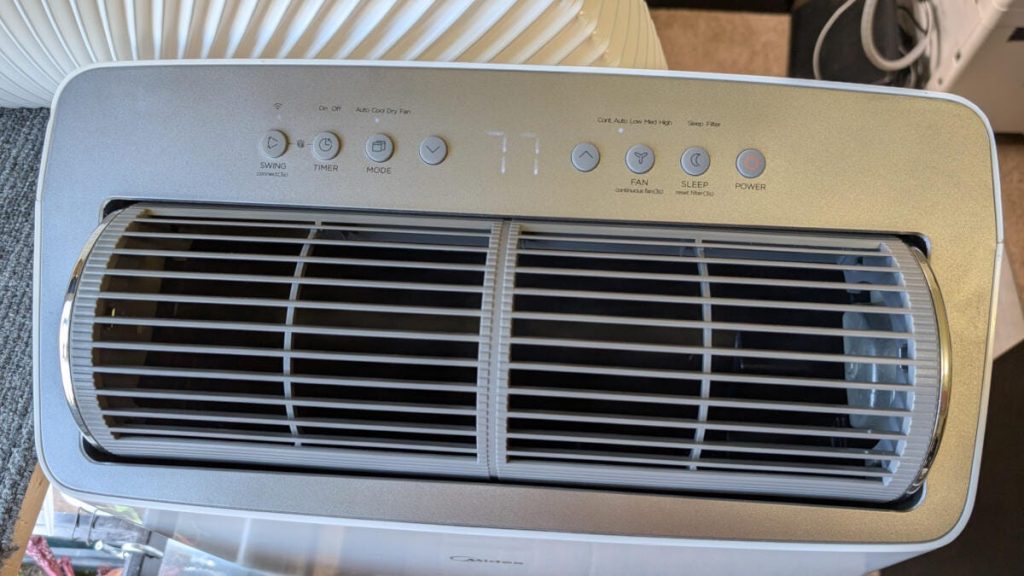
Are you worried that your portable air conditioner might be driving up your electricity bill? You’re not alone.
Many people wonder if these handy cooling units use more power than traditional air conditioners. Understanding how much electricity your portable AC consumes can help you make smarter choices for your comfort and your wallet. Keep reading to discover the truth about portable air conditioners and electricity use—so you can stay cool without the shock of a high energy bill.
How Portable Acs Work
Portable air conditioners move warm air outside using a hose. The cooling systemworks by pulling warm air inside the unit, then removing heat. The cooled air blows into the room, making it cooler.
The unit has three main parts: compressor, condenser, and evaporator. The compressor compresses refrigerant gas, turning it hot. The condenser cools the gas, turning it into liquid. The evaporator absorbs heat from the room, cooling the air.
Energy use depends on several key factors:
- Unit size — bigger units use more electricity.
- Cooling power — stronger cooling needs more energy.
- Room insulation — poor insulation means more work for the AC.
- Temperature setting — lower temps increase electricity use.
- Usage time — longer use means higher electricity bills.

Credit: www.independent.co.uk
Comparing Energy Use
Portable air conditionersusually use more electricity than window units. This is because they need extra power to push hot air outside through a hose. Window ACs vent air directly through the window, making them more efficient. Portable units are easier to move but less energy-friendly.
| Type | Energy Use | Cooling Power | Portability |
|---|---|---|---|
| Portable AC | Higher | Medium | High |
| Window AC | Lower | Medium to High | Low |
Central air conditioners cool whole homes but use much more electricity. Portable ACs work for single rooms and cost less to run. Central systems are great for big spaces but not energy efficient for small rooms.
Efficiency Ratings To Check
EER(Energy Efficiency Ratio) measures how well an air conditioner cools compared to its power use. A higher EER means the unit is more efficient. SEER(Seasonal Energy Efficiency Ratio) rates cooling performance over a season, giving a broader view of efficiency.
Portable air conditioners with better EER and SEER ratings use less electricity. They save money and reduce energy waste. Lower ratings mean more power use and higher bills.
| Rating | What It Shows | Impact on Electricity Bills |
|---|---|---|
| EER | Cooling efficiency at specific conditions | Higher rating = lower electricity use |
| SEER | Efficiency over a cooling season | Better rating = less energy spent over time |

Credit: www.popularmechanics.com
Common Misconceptions
Many people think portable air conditioners use more electricitythan other types. This is not always true. Their power use depends on size, usage, and efficiency.
Some believe portable units cool rooms faster. They actually cool smaller spaces well but may struggle in large rooms. This can cause longer run times and more energy use.
Another myth says portable ACs use more power because they move air inside. They remove heat and moisture like other ACs but may need proper venting to work efficiently.
| Scenario | Energy Use | Notes |
|---|---|---|
| Small room, well-vented | Low to moderate | Efficient cooling, less energy waste |
| Large room, poor venting | High | Longer running time, more electricity |
| Short use, moderate temp | Low | Energy use similar to window AC |
Tips To Save Energy
Proper installationensures the unit cools efficiently and uses less power. Place the air conditioner near a window to vent hot air outside. Seal gaps around the window to stop warm air from entering. Avoid direct sunlight on the unit to reduce extra heat. Ensure the exhaust hose is straight and not kinked for better airflow.
Maintenance best practiceskeep the air conditioner running smoothly. Clean or replace filters regularly to improve airflow and save energy. Check for dust on coils and wipe them gently. Empty the water tank if your model collects condensation. Regular maintenance helps avoid extra electricity use and extends the unit’s life.
- Turn off the unit when leaving the room.
- Use a timer or smart plug to control run time.
- Set the temperature to a comfortable but not too cold level.
- Keep doors and windows closed while the unit runs.
- Use fans to help spread cool air more evenly.

Credit: www.forbes.com
When Portable Acs Make Sense
Portable air conditioners work best in small to medium rooms. Rooms about 250 to 350 square feetfit well. Using a portable AC in a big room can waste energy. It struggles to cool large spaces.
They are perfect for temporary cooling needs. For example, use one in a room without central air. They are easy to move from room to room. Great for renters or people who move often.
- Quick cooling for short periods
- Easy to install and remove
- Good for rooms without windows or vents
Frequently Asked Questions
Do Portable Air Conditioners Consume A Lot Of Power?
Portable air conditioners typically use more power than window units. They range from 500 to 1,500 watts. Their efficiency depends on factors like room size and insulation. Regular maintenance and proper usage can improve energy efficiency. Always check the unit’s Energy Efficiency Ratio (EER) to gauge power consumption.
Are Portable Acs More Efficient Than Window Units?
Portable ACs are generally less efficient than window units. They often have a lower Energy Efficiency Ratio (EER). This means they may consume more electricity for the same cooling output. However, they offer flexibility in placement and mobility, which can be advantageous in certain situations.
Can Portable Air Conditioners Increase Electricity Bills?
Yes, portable air conditioners can increase electricity bills. They tend to use more power than other cooling options. Regular usage, especially in large spaces, can lead to higher energy costs. Efficient models and mindful usage can help manage electricity expenses.
How Can I Make Portable Acs More Energy Efficient?
To enhance efficiency, ensure your portable AC has a proper venting system. Keep windows and doors closed while it’s operating. Regularly clean or replace filters to maintain airflow. Position the unit in a shaded area if possible. These practices can help reduce electricity consumption.
Conclusion
Portable air conditioners can use more electricity than window units. They cool small spaces but often run longer. Sealing windows and doors helps them work better. Choosing the right size unit saves energy and money. Using timers and fans can reduce electricity use.
Understanding how these units work helps you decide wisely. Energy-efficient models cost less to run. Think about your needs before buying. Simple steps keep your home cool without high bills. Portable air conditioners offer convenience but watch their power use.