Are you worried about mold or clogs in your air conditioner’s drain line? Using bleach can be a quick way to keep it clean and flowing smoothly.
But how much bleach should you actually use without damaging your system? Getting this right is key to protecting your AC and avoiding costly repairs. You’ll discover the exact amount of bleach that works best, along with simple tips to maintain your drain line effectively.
Keep reading to make sure your air conditioner stays fresh and problem-free all year long.
Credit: smashingclean.com
Purpose Of Bleach In Ac Drain Lines
Bleach helps stop mold and mildewfrom growing inside the drain line. Mold can block the drain and cause bad smells. A small amount of bleach keeps the drain clear and clean.
Using bleach keeps the water flowing well through the drain line. This helps the air conditioner work better. A clean drain means less chance of water leaksor damage to your AC system.
Clean drain lines also improve the air qualityin your home. Mold and mildew release spores that can cause allergies and breathing problems. Bleach helps remove these harmful spores.
Recommended Bleach Dosage
Using bleach in the air conditioner drain line helps stop mold and clogs. It is important to keep the bleach concentration safeto avoid damage to the AC system.
For safe concentration levels, use a mixture of one part bleachto ten parts water. This keeps the solution strong enough to kill bacteria but gentle enough to protect pipes.
Measuring the right amount is easy. Use about 1/4 cup of bleachmixed with 2.5 cups of water. Pour this slowly into the drain line to clean it well.
- Do not pour bleach directly without diluting.
- Use a measuring cup for accuracy.
- Pour gently to avoid splashing.
For frequency, apply this bleach solution once every 1 to 3 months. This keeps the drain line clear without overuse. Too much bleach can harm the system.
Step-by-step Bleach Application
Mix one part bleachwith ten parts waterin a clean container. Use a measuring cup for accuracy. Stir gently to combine. Avoid using pure bleach; it can damage the drain line.
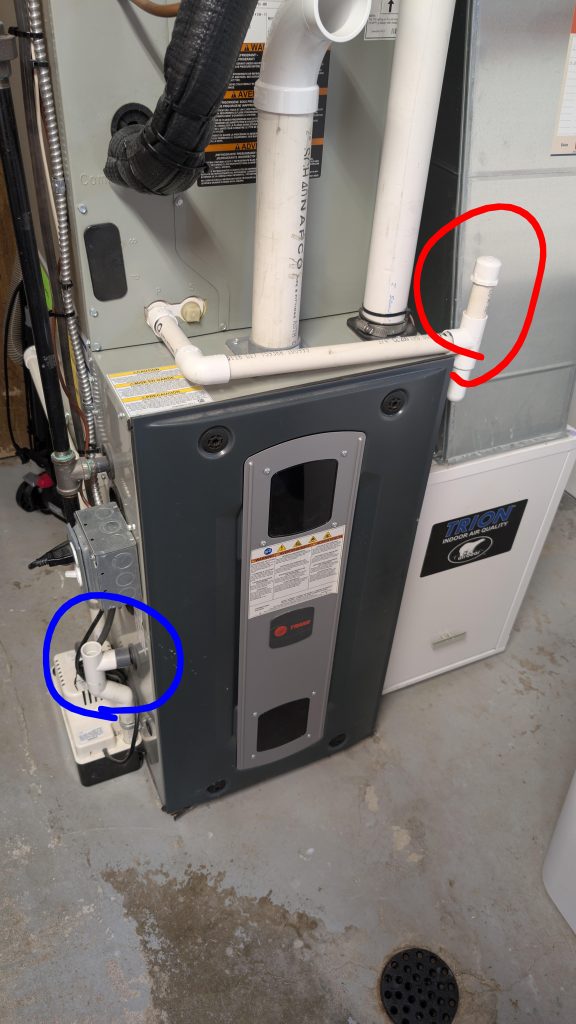
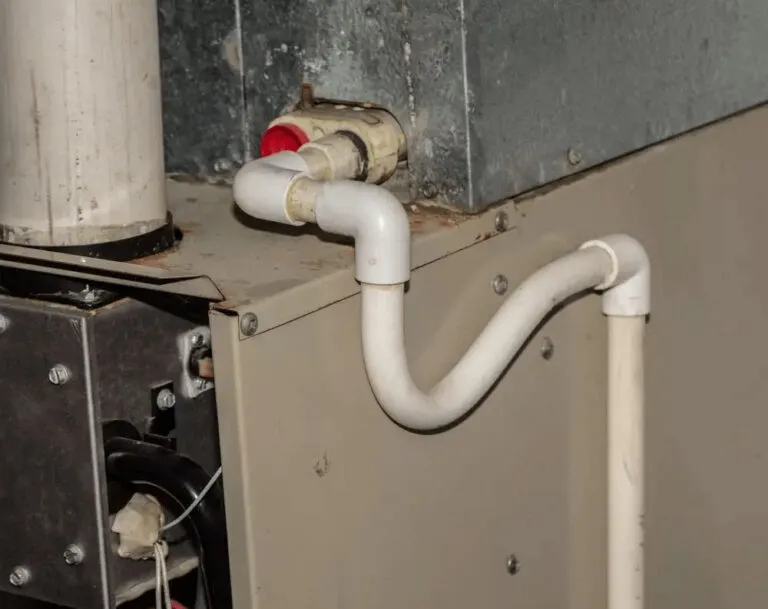
Pour the diluted bleach slowly into the air conditioner drain line access point. Use a funnel if needed to avoid spills. Allow the bleach solution to sit for 15 to 30 minutes. This kills mold and clears minor clogs.
Flush the drain line with clean water after the bleach treatment. Use a hose or bucket to pour water through the line. This removes bleach residue and debris. Repeat flushing until water runs clear.

Credit: smashingclean.com
Safety Precautions
Handling bleach requires careful steps to stay safe. Always wear protective glovesand gogglesto keep bleach from touching your skin and eyes. Bleach fumes can irritate your lungs, so work in a well-ventilated area. Avoid breathing in the fumes directly.
Using bleach in the air conditioner drain line needs care to prevent harm. Never pour bleach directly into the AC unit’s parts, as it can cause corrosionor damage. Dilute bleach with water before use. Use only the recommended amount to avoid harm.
- Wear gloves and eye protection.
- Work in fresh air or open space.
- Dilute bleach before use.
- Do not pour bleach on electrical parts.
- Use small amounts to protect AC components.
Alternatives To Bleach
Vinegar Solutionsare a safe and natural way to clean the drain line. Use white vinegar to kill mold and algae. Pour about one cup of vinegar into the drain line once a month. Let it sit for 30 minutes, then flush with water. It helps keep the drain clear without harsh chemicals.
Commercial Cleanersare made for HVAC systems. They remove dirt and buildup quickly. Always follow the instructions on the label. These cleaners can be stronger than vinegar. Use them carefully to avoid damage or harm.
Natural Enzyme Cleanersbreak down organic material like slime and mold. They are eco-friendly and safe for the environment. Pour the enzyme cleaner into the drain line as directed. These cleaners work over time to keep the line clean and free of clogs.

Credit: www.reddit.com
Signs You Need To Clean The Drain Line
Water leakagenear the air conditioner often means the drain line is clogged. This causes water to back up and spill inside. Check for wet spots or dripping water around the unit.
Foul odorscoming from the air conditioner signal mold or bacteria build-up in the drain line. These smells can make the room feel unpleasant and unhealthy.
Reduced cooling efficiencyhappens when the drain line is dirty. The air conditioner may struggle to cool properly because of blocked water flow. This can raise energy bills and cause discomfort.
Frequently Asked Questions
How Much Bleach To Use In Ac Drain Line?
Use a quarter cup of bleach in your air conditioner’s drain line. This helps prevent mold and algae buildup. Regular maintenance ensures efficient operation. Ensure to dilute bleach with water before using. This practice can prevent clogs and improve air quality.
Is Bleach Safe For Ac Drain Lines?
Yes, bleach is safe for AC drain lines when used properly. It effectively cleans and disinfects. However, overuse can damage pipes. Always follow manufacturer guidelines. Use diluted bleach to avoid potential harm. Regular maintenance can prolong the lifespan of your HVAC system.
How Often Should I Clean Ac Drain Line?
Clean your AC drain line every three to six months. This prevents clogs and maintains efficiency. Regular cleaning avoids costly repairs. It also improves indoor air quality. Consistent maintenance ensures your system runs smoothly. Follow manufacturer recommendations for optimal results.
Can I Use Bleach Alternatives For Cleaning?
Yes, vinegar is a safe bleach alternative for AC drain lines. It’s less corrosive and effective against mold. Use one cup of vinegar monthly for best results. Vinegar also prevents algae buildup. It’s a natural and eco-friendly cleaning option.
Conclusion
Using bleach in your air conditioner drain line helps keep it clean and clear. Only a small amount is needed to avoid damage. Too much bleach can harm the pipes or the unit. Always dilute bleach with water before pouring it in.
Regular cleaning prevents clogs and bad smells. Take care and follow safety tips when handling bleach. Clean drain lines help your air conditioner work better and last longer. Simple steps keep your home fresh and comfortable.