Have you ever looked closely at your car tires and wondered if their direction really matters? You might think tires just roll, but the truth is, many car tires are designed to work best when they spin a certain way.
Understanding if your tires are directional can improve your car’s grip, boost safety, and even extend the life of your tires. If you want to get the most out of your ride and avoid costly mistakes, keep reading—this guide will clear up the mystery and help you make smart decisions about your tires.
Directional Tires Explained
Directional tires have a special tread pattern. They are designed to roll in one direction only. This helps improve grip and water evacuation.
Knowing how to identify and use directional tires can help you get better performance from your vehicle. Let’s explore what makes these tires unique.
What Makes Tires Directional
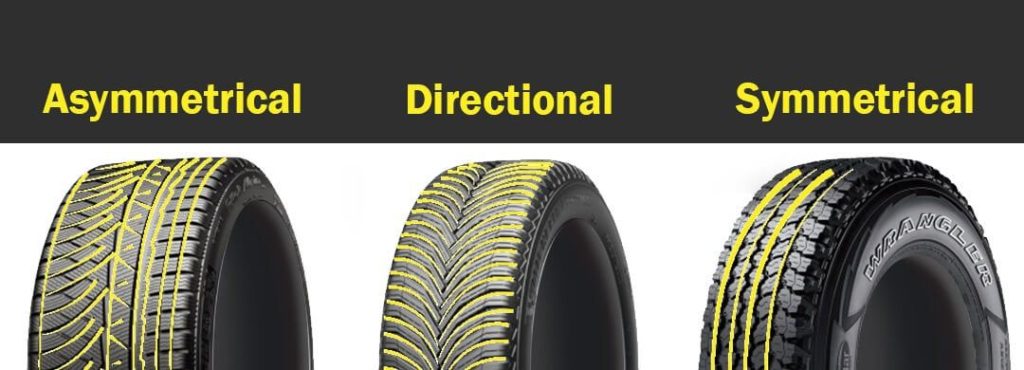
Directional tires have a V-shaped or arrow-like tread pattern. This pattern points in one direction to channel water away. It helps reduce hydroplaning on wet roads.
The tire is built for a specific rotation direction. Mounting it backwards can reduce traction and increase noise.
Identifying Directional Tires
You can spot directional tires by looking for markings on the sidewall. Most directional tires have arrows that show the correct rotation direction.
- Check for an arrow labeled “Rotation” or “Direction”
- Look at the tread pattern to see if it forms a “V” shape
- Read the tire manual or manufacturer’s website for details
- Make sure the tire is mounted so the arrows point forward when driving
Benefits Of Directional Tires
| Benefit | Description |
|---|---|
| Better Water Dispersion | Channels water away to reduce hydroplaning risk. |
| Improved Traction | Provides stronger grip on wet and dry roads. |
| Enhanced Performance | Offers better handling and cornering at high speeds. |
| Reduced Noise | Designed to lower road noise compared to some other tires. |

Credit: support.tyroola.com.au
How Directional Tires Affect Performance
Directional tires have a tread pattern designed to rotate in one direction only. This design helps improve the tire’s grip and performance on the road.
Understanding how directional tires work can help you see their benefits and limitations. They impact traction, wet weather handling, and tire wear differently than other tires.
Improved Traction And Handling
Directional tires offer better traction because their tread pattern pushes water and debris away from the tire. This helps keep more rubber in contact with the road.
- Better grip during acceleration
- Smoother cornering and turns
- Enhanced steering response
Enhanced Wet Weather Grip
The V-shaped tread pattern of directional tires moves water out quickly. This reduces the risk of hydroplaning and improves control on wet roads.
| Feature | Benefit |
| V-shaped tread | Drains water fast |
| Single rotation direction | Maintains grip in rain |
| Wide grooves | Improves wet traction |
Impact On Tire Wear
Directional tires must be mounted correctly to avoid uneven wear. If mounted backward, the tread will not work as designed and wear can increase.
Tips to extend directional tire life:
- Check tire direction arrows when mounting
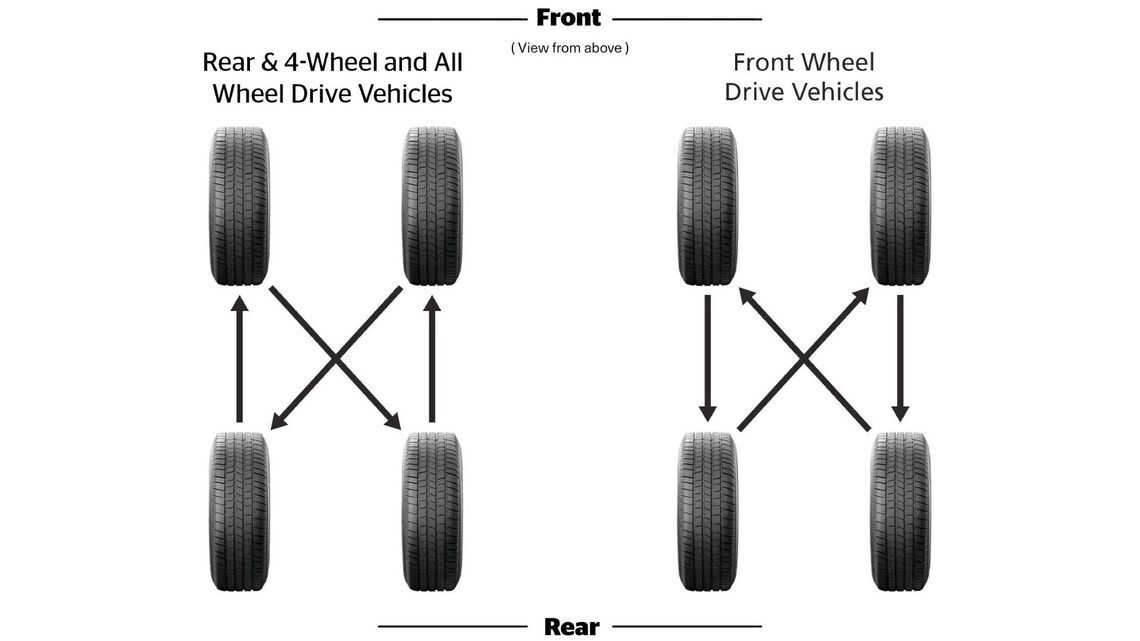
- Rotate tires front to back, not side to side
- Keep proper tire pressure
Installation And Maintenance Tips
Directional tires improve vehicle handling and water dispersion. Proper installation and maintenance keep them safe and effective.
Follow these tips to install and care for directional tires correctly. This helps extend tire life and ensures good performance.
Correct Mounting Procedures
Directional tires have an arrow or marking that shows the correct rolling direction. Mount the tire so the arrow points forward when the tire touches the road.
- Check the sidewall for directional arrows before mounting.
- Match the tire direction with the vehicle’s rotation.
- Use proper tools to avoid tire or rim damage during installation.
- Ensure the tire bead seats evenly on the rim.
- Balance the tire after mounting to prevent vibrations.
Rotation Guidelines For Directional Tires
Rotating directional tires requires care to keep the tire rolling in the right direction. Usually, tires stay on the same side of the vehicle to maintain proper rotation.
| Rotation Type | Pattern | Direction |
| Front-wheel drive | Front to back on the same side | Keep same rolling direction |
| Rear-wheel drive | Rear to front on the same side | Keep same rolling direction |
| All-wheel drive | Consult vehicle manual | Usually same side rotation |
Signs Of Incorrect Installation
Wrong mounting of directional tires causes noise, poor grip, and faster wear. Watch for these signs that show wrong installation.
- Unusual road noise or vibration while driving.
- Poor handling, especially in wet conditions.
- Uneven tire wear on the tread.
- Visible directional arrows pointing backward.
- Increased risk of hydroplaning.
Comparing Directional And Non-directional Tires
Car tires come in different types to suit various driving needs. Two common types are directional and non-directional tires. Understanding their differences helps you pick the right tires for your vehicle.
This article compares directional and non-directional tires. It covers design, performance, and when to use each type.
Key Differences In Design
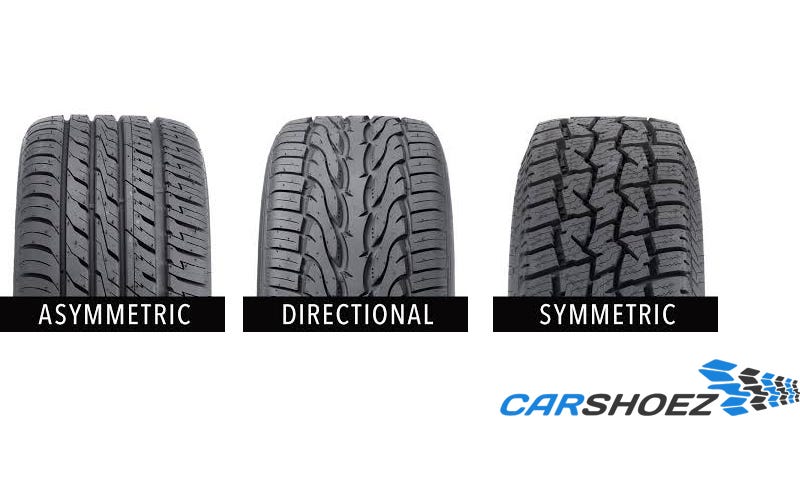
Directional tires have a tread pattern that points in one direction. This pattern looks like arrows or chevrons. Non-directional tires have a more uniform tread pattern. They can rotate in any direction on the wheel.
| Feature | Directional Tires | Non-Directional Tires |
| Tread Pattern | Asymmetrical with a specific direction | Symmetrical or uniform |
| Rotation | Must follow direction indicated by arrows | Can rotate in any position |
| Mounting | Correct side must face outward | No specific side needed |
Performance Variations
Directional tires help channel water away fast. This reduces the risk of hydroplaning. They often provide better grip on wet roads. Non-directional tires offer even wear and longer tread life. They give a quieter ride and easier maintenance.
- Directional tires improve wet traction and handling.
- Non-directional tires offer flexible rotation for even wear.
- Directional tires may be noisier on rough roads.
- Non-directional tires usually last longer with proper rotation.
When To Choose Each Type
Choose directional tires if you drive fast or in wet conditions often. They help keep control on slippery roads. Pick non-directional tires if you want easy tire maintenance and longer use. They suit daily driving on dry roads well.
- Buy directional tires for wet weather and sporty driving.
- Select non-directional tires for regular driving and easy care.
- Check your car’s manual for recommended tire type.
- Consult a tire expert if unsure which type fits your needs.
Common Myths About Directional Tires
Many drivers hear about directional tires but get confused by myths. These tires have a special tread pattern that points in one direction.
This article clears up some common misunderstandings about directional tires. It explains how they affect tire life, noise, and speed ratings.
Misconceptions On Tire Longevity
Some think directional tires wear out faster than regular tires. This is not true if you rotate them correctly. Directional tires must be rotated front to back on the same side.
- Directional tires last as long as non-directional tires.
- Proper rotation extends the tire life.
- Ignoring rotation rules may cause uneven wear.
Debunking Noise Level Claims
Many say directional tires are louder than others. Noise depends on tread design, not direction. Some directional tires are quiet, some are not.
| Tire Type | Noise Level | Reason |
|---|---|---|
| Directional | Varies | Tread pattern design |
| Non-Directional | Varies | Rubber compound and tread |
Clarifying Speed Ratings
Some believe directional tires have different speed ratings. Speed rating depends on tire construction, not direction. Always check the sidewall for the rating.
- Speed rating shows max safe speed for the tire.
- Directional tread does not change this rating.
- Use tires with speed ratings that match your vehicle.
Credit: www.bfgoodrichtires.com
Choosing The Right Directional Tire
Directional tires are designed to roll in one direction only. They help improve traction and water drainage. Picking the right one can make your driving safer and smoother.
It is important to understand your needs before buying directional tires. This guide helps you choose the best fit for your vehicle and driving style.
Factors To Consider
Check your car’s manual for tire size and speed rating. Make sure the directional tires match these specifications. Also, think about the weather you drive in most.
Directional tires work well on wet roads because they push water away. They also offer good grip for high-speed driving. Consider your usual driving conditions to find the right tire.
- Correct tire size and speed rating
- Typical weather and road conditions
- Driving speed and style
- Rotation and maintenance needs
Popular Brands And Models
Many brands offer directional tires with different features. Look for brands known for quality and safety. Models vary in tread design and durability.
- Michelin Pilot Sport Directional
- Bridgestone Potenza RE-71R
- Continental ExtremeContact Sport
- Goodyear Eagle F1 Asymmetric
- Pirelli P Zero Directional
Read reviews and ratings for these models. This helps you understand how each tire performs in real life.
Budget Vs Performance
High-performance directional tires often cost more. They offer better grip and last longer. Budget tires may save money but might wear out faster.
Think about how much you drive and what you expect from your tires. Spending more can mean safer and smoother rides. But budget options work for casual drivers.
- High cost = better grip, durability
- Lower cost = shorter lifespan
- Choose based on driving frequency
- Balance safety and price
Credit: medium.com
Frequently Asked Questions
What Are Directional Car Tires?
Directional car tires are designed to rotate in one direction for optimal performance. They feature a unique tread pattern that enhances traction and water evacuation. Proper installation is crucial for maximizing their benefits, ensuring improved handling and reduced hydroplaning risks.
How To Identify Directional Tires?
Directional tires have arrow markings on the sidewall indicating the correct rotation direction. This design enhances their performance. These arrows ensure the tires are mounted correctly. Incorrect installation can hinder performance and increase wear.
Can You Rotate Directional Tires?
Yes, directional tires can be rotated, but only front-to-back. This rotation pattern maintains their correct rolling direction. Cross-rotation is not recommended as it would reverse the tire’s designed direction, potentially affecting performance and safety.
What Are The Benefits Of Directional Tires?
Directional tires offer improved traction and handling, especially in wet conditions. Their unique tread design enhances water dispersion, reducing hydroplaning risks. This leads to better stability and control, providing drivers with a safer and more efficient driving experience.
Conclusion
Directional tires help your car drive better and safer. They have a special tread pattern that moves water away. This reduces the risk of slipping on wet roads. Always check the tire’s arrow before fitting. Installing them backward can cause poor performance and faster wear.
Understanding directional tires can save you money and trouble. Keep your tires in good shape for a smooth ride. Remember, small details make a big difference on the road. Choose the right tires, fit them correctly, and drive with confidence.