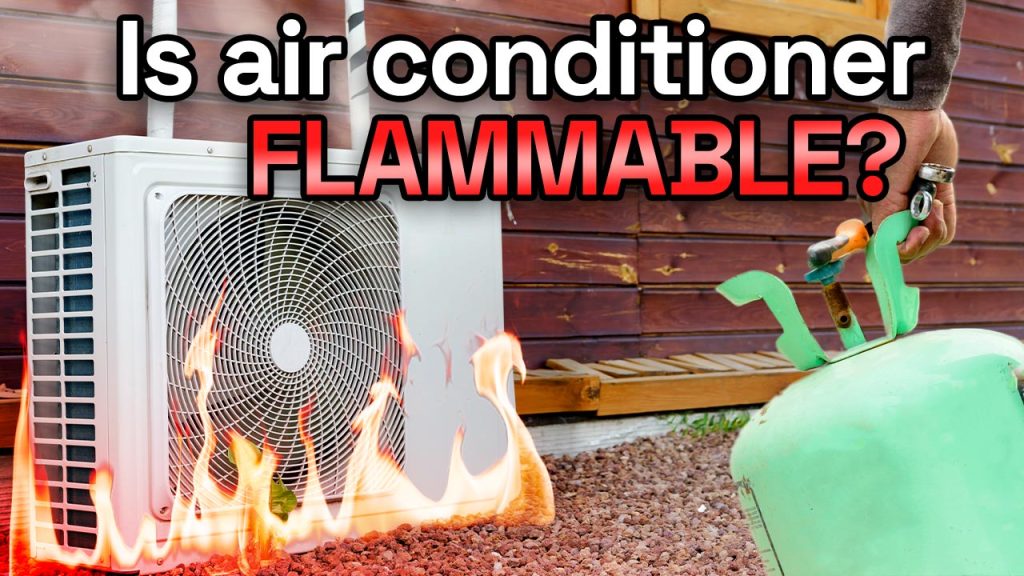
Have you ever wondered if your air conditioner uses gas to keep your home cool? Understanding how your AC works can help you save money and avoid surprises on your energy bill.
If you’re curious about what powers your cooling system and how it affects your energy use, you’re in the right place. Keep reading to discover the truth about air conditioners and gas, and learn what you need to know to stay comfortable without wasting energy.
How Air Conditioners Work
Air conditioners keep indoor spaces cool by moving heat outside. They use a cycle to remove heat from inside the room.
This cycle involves changing a special fluid from liquid to gas and back again. This helps cool the air around you.
Cooling Mechanism
Air conditioners use a process called refrigeration to cool air. The system has parts like the compressor, condenser, and evaporator.
The compressor squeezes the refrigerant gas to make it hot. Then, the condenser cools it down to a liquid. The liquid goes to the evaporator inside your room.
In the evaporator, the liquid refrigerant turns back into gas. This change absorbs heat from the indoor air, making it cooler.
Role Of Refrigerants
Refrigerants are special fluids that change from liquid to gas easily. They carry heat out of your home.
These fluids do not burn or explode but help move heat in the cooling cycle. Modern refrigerants are safer for the environment.
- Absorb heat inside the house
- Release heat outside
- Cycle repeatedly to cool air
- Use safe chemicals in newer models
Electricity Vs Gas Power
Most air conditioners use electricity to run the compressor and fans. Electricity powers the whole cooling cycle.
Some systems use gas, but these are less common. Gas-powered air conditioners use natural gas to help cool large buildings.
- Electric ACs are common in homes
- Gas ACs work well for big spaces
- Electricity runs the cooling cycle parts
- Gas can be used as a fuel source

Credit: coastalhomeservicesinc.com
Common Myths About Ac And Gas
Many people have wrong ideas about air conditioners and how they use gas. These myths cause confusion about how ACs work.
We will explain some common myths about air conditioners and gas to clear up the facts.
Acs Run Directly On Gas
Some think air conditioners use gas like a stove or heater. This is false. Most ACs run on electricity, not gas.
Air conditioners use a special refrigerant gas inside sealed pipes. This gas helps cool the air but is not the fuel for the AC.
Gas-powered Acs Are More Efficient
People often believe gas-powered air conditioners save more energy. This idea is not always true.
- Electric ACs are common and very efficient in most homes.
- Gas-powered ACs exist but are less common and used in special cases.
- The efficiency depends on the system design, not just the energy source.
Choosing the right AC depends on your needs, not just gas or electricity.
Gas Use In Residential Ac Units
| Type of AC | Energy Source | Common Use |
| Split AC | Electricity | Most homes |
| Window AC | Electricity | Small rooms |
| Gas-Powered AC | Natural Gas | Some large buildings |
Most residential air conditioners do not use natural gas as fuel. They use electricity to run compressors and fans.
Types Of Air Conditioners
Air conditioners come in different types based on how they work. Some use electricity only, while others use gas or a mix of both. Knowing these types helps you understand if an AC uses gas or not.
This article explains electric AC units, gas-powered AC systems, and hybrid systems. Each type has unique features and fuel sources.
Electric Ac Units
Electric air conditioners run only on electricity. They use a refrigerant to cool the air. The unit moves heat from inside to outside.
Most homes use electric AC units. They do not use gas directly. Instead, they rely on electrical power for all parts.
Gas-powered Ac Systems
Gas-powered air conditioners use natural gas or propane. They create cool air by burning gas to power a cooling process. These units are less common in homes.
Gas AC systems can be cheaper to run in some areas. They still need electricity for some parts, but gas is the main fuel.
- Use natural gas or propane
- Burn gas to power cooling
- Lower electricity use
Hybrid Systems
Hybrid air conditioners combine electric and gas power. They switch between electricity and gas to save energy. This helps lower costs and improve efficiency.
These systems use gas when it is cheaper or more efficient. They use electricity at other times. Hybrid systems offer flexible fuel use.

Credit: yourenergyanswers.com
Energy Efficiency And Costs
Air conditioners mostly use electricity, not gas. This affects how much energy they use and how much they cost to run.
Understanding electricity use and costs helps you choose the best cooling option for your home.
Electricity Consumption
Air conditioners need electricity to work. They use it to power the compressor and fans.
How much electricity they use depends on the size and efficiency of the unit.
- Smaller units use less electricity
- High-efficiency models use less power for the same cooling
- Running time also affects total electricity used
Gas Vs Electric Operating Costs
Some air conditioners use gas, but most use electricity. Gas models include absorption units.
Electric air conditioners usually cost less to buy and maintain. Gas units can cost more to run.
| Type | Energy Cost | Maintenance Cost |
|---|---|---|
| Electric AC | Lower | Lower |
| Gas AC | Higher | Higher |
Environmental Impact
Electric air conditioners produce less pollution if the electricity is from clean sources.
Gas air conditioners burn fuel and release greenhouse gases. This can harm the environment more.
- Electric ACs can use renewable energy
- Gas ACs emit carbon dioxide
- Energy efficiency reduces environmental damage
Tips To Save Energy With Ac
Air conditioners use electricity and sometimes gas to cool your home. Saving energy helps lower bills and protect the environment.
Try simple actions to keep your AC efficient and reduce energy use all year round.
Regular Maintenance
Keep your air conditioner clean and checked to make it run better. Dirty parts make it work harder and use more energy.
- Clean or replace filters every month
- Check the coils for dirt and clean them yearly
- Remove leaves and debris near outdoor units
- Schedule professional tune-ups at least once a year
Smart Thermostat Use
Smart thermostats help control your AC efficiently. They adjust the temperature based on your schedule and preferences.
| Feature | Energy Saving Benefit |
| Programmed Scheduling | Runs AC only when needed |
| Remote Control | Adjust temperature from anywhere |
| Energy Reports | Shows usage to improve habits |
Insulation And Ventilation
Good insulation keeps cool air inside and heat out. Proper ventilation removes hot air and helps the AC work less.
- Seal cracks in windows and doors
- Use curtains to block sunlight during hot hours
- Ventilate attics and crawl spaces
- Install weather stripping to stop air leaks
Future Trends In Cooling Technology
Cooling technology is changing fast. New ideas aim to save energy and protect the planet.
These trends help make air conditioners better for the environment and cheaper to run.
Eco-friendly Refrigerants
Traditional air conditioners use gases that harm the environment. New refrigerants reduce this damage.
- Hydrofluoroolefins (HFOs) have low global warming potential.
- Natural refrigerants like propane and CO2 are safe and eco-friendly.
- These refrigerants break down quickly in the atmosphere.
- They help reduce the carbon footprint of cooling systems.
Solar-powered Acs
Solar-powered air conditioners use sunlight to cool homes. They lower electricity bills and emissions.
| Type | Advantage | Challenge |
| Photovoltaic Solar AC | Uses solar panels directly | Needs battery storage for night |
| Solar Thermal AC | Uses heat to cool | Complex system design |
| Hybrid Systems | Combines solar and grid power | Higher initial cost |
Advances In Energy Efficiency
New air conditioners use less power and cool faster. This lowers energy use and costs.
- Variable speed compressors adjust cooling as needed.
- Smart thermostats learn user habits to save energy.
- Better insulation and design reduce cooling loss.
- Use of inverter technology improves performance.
Credit: hvac-temecula-murrieta.com
Frequently Asked Questions
Does An Air Conditioner Use Gas?
No, air conditioners do not use gas to cool air. They primarily use electricity to power their components. The cooling process involves refrigerant, which absorbs and releases heat. This cycle cools the indoor air effectively. Some older models might use gas for heating, but not for cooling.
What Type Of Refrigerant Is Used In Acs?
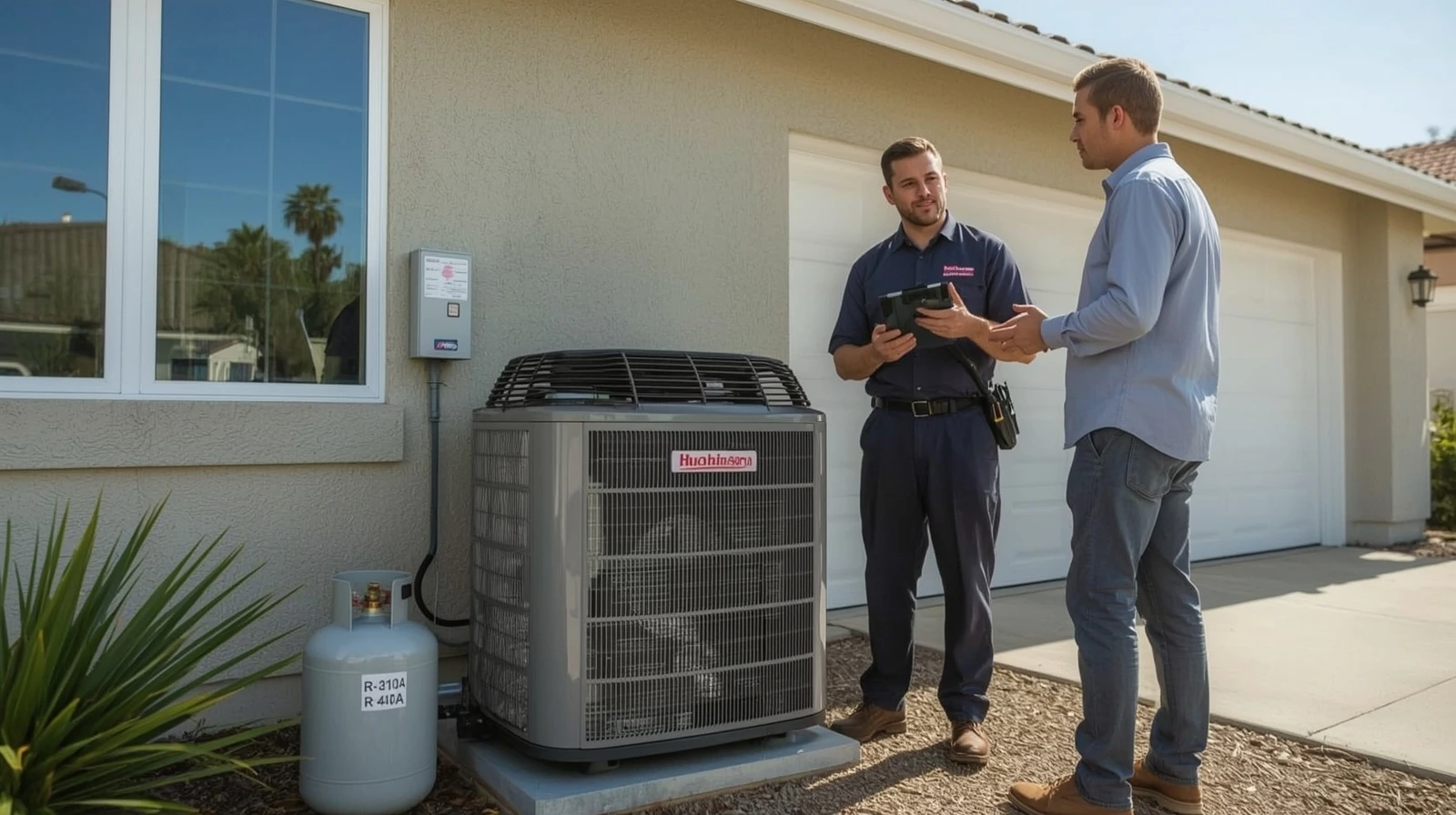
Modern air conditioners typically use R-410A refrigerant. This type is more environmentally friendly compared to older refrigerants like R-22. R-410A is efficient in cooling and reduces ozone depletion. Always check your unit’s specifications to know the exact type of refrigerant used.
How Does An Air Conditioner Cool Air?
Air conditioners cool air by using a refrigeration cycle. The refrigerant absorbs heat from indoor air and releases it outside. The compressor, condenser, and evaporator work together in this process. Fans then circulate the cooled air throughout the room, maintaining a comfortable temperature.
Is Gas Used In Ac Compressors?
No, air conditioning compressors do not use gas. They rely on electricity to function. The compressor circulates the refrigerant, enabling the cooling process. It compresses the refrigerant, increasing its pressure and temperature, which is essential for the refrigeration cycle.
Conclusion
Air conditioners do use gas, but not the kind you burn for heat. They rely on refrigerant gas to cool the air inside your home. This gas moves through the system to absorb and release heat. Knowing this helps you understand how your AC works.
Regular maintenance keeps the gas flowing well and your unit running smoothly. So, take care of your air conditioner to stay cool all summer. Simple steps can save energy and money too. Cooling your home is easier when you know the basics.