Are you tired of your fishing line snapping at the worst moments? Or maybe your reel feels sloppy and unresponsive?
How you line your fishing reel can make all the difference between a frustrating day on the water and a successful catch. In this guide, you’ll discover simple, step-by-step tips to get your reel perfectly lined every time. Whether you’re a beginner or just need a quick refresher, mastering this skill will boost your confidence and improve your fishing experience.
Keep reading, and soon you’ll handle your reel like a pro.
Credit: monsterbass.com
Choosing The Right Fishing Line
Choosing the right fishing line is key to a good fishing experience. The right line helps you catch fish and protect your reel.
Different fishing lines suit different types of fish and water. Knowing which line to use can improve your fishing success.
Types Of Fishing Line
There are three main types of fishing lines: monofilament, fluorocarbon, and braided. Each has its own strengths and uses.
- Monofilament:Easy to handle and stretchable. Good for beginners.
- Fluorocarbon:Almost invisible underwater. Great for clear water fishing.
- Braided:Very strong and thin. Best for heavy cover or big fish.
Line Strength And Diameter
Line strength shows how much weight the line can hold without breaking. Diameter affects how the line moves in water and fits on your reel.
- Stronger lines have higher pound test numbers.
- Thinner lines cast farther and are less visible.
- Choose strength based on the size of fish you want to catch.
Selecting Line For Different Fish
Different fish need different fishing lines. Use lighter lines for small fish and stronger lines for big fish.
| Fish Type | Recommended Line Strength (lb) | Best Line Type |
|---|---|---|
| Small Fish (e.g., panfish) | 2-6 | Monofilament or Fluorocarbon |
| Medium Fish (e.g., bass) | 8-15 | Monofilament or Braided |
| Large Fish (e.g., catfish, pike) | 20-50+ | Braided or Heavy Monofilament |

Credit: www.youtube.com
Preparing Your Reel
Before you put new line on your fishing reel, you need to prepare it well. This helps your reel work smoothly and lasts longer.
Preparing includes cleaning, removing old line, and checking parts. Each step makes sure your reel is ready.
Cleaning The Reel
Clean your reel to remove dirt and salt. This stops damage and keeps it working well.
Use a soft cloth and warm water. Gently wipe the reel’s surface and spool. Avoid harsh chemicals.
- Use a soft brush for hard-to-reach spots
- Dry the reel completely after cleaning
- Oil moving parts lightly to reduce friction
Removing Old Line
Take off the old fishing line before adding new line. Old line can tangle and weaken your setup.
Cut the line near the spool. Pull the line off slowly to avoid damage to the reel.
- Check for knots or breaks in the old line
- Dispose of old line properly to protect the environment
- Keep the spool clean after line removal
Inspecting Reel Components
Look over your reel parts for wear or damage. This includes the spool, drag system, and handle.
Fix or replace any broken parts before re-lining. A well-maintained reel works better and lasts longer.
- Check the spool for cracks or dents
- Test the drag system for smooth operation
- Make sure the handle turns freely
Attaching The Line To The Reel
Attaching the fishing line to your reel is the first step in preparing your gear. A secure connection keeps the line from slipping when you cast or catch fish.
Properly attaching the line makes your fishing experience smoother and more enjoyable. Let’s look at how to tie the arbor knot and secure the line correctly.
Tying The Arbor Knot
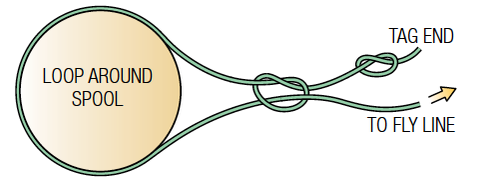
The arbor knot is the best knot to attach the line to the reel spool. It holds tight and does not slip easily.
Start by wrapping the line around the spool’s arbor. Tie a simple overhand knot close to the spool. Then tie a second overhand knot a few inches from the first knot.
- Wrap line around the reel’s center spool.
- Tie an overhand knot near the spool.
- Tie a second overhand knot farther from the spool.
- Pull the second knot tight to the first.
- Trim the extra line ends close to the knots.
Securing The Line Properly
After tying the arbor knot, wind the line evenly on the reel spool. Keep tension on the line to prevent loose loops.
Make sure the line sits flat and tight on the spool. This helps avoid tangles and line damage while fishing.
- Hold the line tight while winding.
- Wind slowly and evenly around the spool.
- Check that no loops overlap loosely.
- Stop when the spool is almost full.
- Secure the line end to keep it from unraveling.
Spooling The Reel
Spooling your fishing reel means putting fishing line on the spool. It helps your line come off smooth and easy during fishing.
Doing it right keeps your line from tangling and breaking. Here are tips to help you spool your reel well.
Maintaining Line Tension
Keep the line tight while spooling. This stops loose loops that cause tangles later.
Use your fingers or a cloth to hold the line firmly as you wind it on the reel.
Filling The Spool Evenly
Wind the line evenly across the spool. Avoid piling it up in one spot.
Move the line guide back and forth to spread the line. This keeps the spool balanced and ready for casting.
Avoiding Line Twists
Line twists cause knots and weak spots. Prevent them while spooling by letting the line come from the spool or lure smoothly.
- Make sure the reel spool and line spool rotate in the same direction.
- Check the line for twists before you start.
- Use swivel connectors to reduce twists if needed.
Finishing Touches
After spooling your fishing reel, finishing touches ensure the line works smoothly. These final steps help avoid problems while fishing.
Check the line carefully and make sure it fits well on the spool. Proper trimming and testing prevent line tangles and improve casting.
Trimming Excess Line
Cutting off extra line after spooling is important. Too much line can cause tangles and reduce casting distance.
- Leave about 1/8 inch of line above the spool edge
- Use sharp scissors or line cutters for a clean cut
- Make sure the line end is secure to avoid slipping
- Attach a small rubber band or line clip if your reel has one
Testing The Line Setup
Testing the line ensures it is ready for use. This step helps spot issues before fishing.
| Test | What to Look For | Action |
| Line Tension | Should feel firm but not too tight | Adjust drag if needed |
| Line Movement | Should spool evenly without slipping | Re-spool if slipping occurs |
| Cast Test | Line should flow smoothly off the spool | Check for snags or rough spots |
| Reel Retrieval | Line should wind back evenly | Fix any uneven winding |

Credit: www.youtube.com
Tips For Better Casting
Casting well depends on how you line your fishing reel. Good line care helps you cast farther and smoother.
Using the right drag setting and avoiding line breakage will make your fishing experience better. Follow these tips to improve your casts.
Line Care And Maintenance
Keep your fishing line clean and dry. Dirt and water can weaken the line and cause poor casting.
- Rinse your line with fresh water after fishing in saltwater.
- Check for knots or frays before each use.
- Store your reel in a cool, dry place to avoid damage.
- Replace old line regularly to maintain strength and flexibility.
Adjusting Drag For Casting
Set the drag properly to avoid line snapping during casting. Too tight drag can cause breakage, too loose drag may reduce casting distance.
| Drag Setting | Effect on Casting |
| Too Tight | Line breaks easily |
| Too Loose | Less casting control |
| Just Right | Smooth casting and good control |
Preventing Line Breakage
Line breakage ruins casts and wastes time. Use these tips to keep your line strong and lasting.
- Use the right line strength for the fish you want to catch.
- Avoid sharp edges on your reel and rod guides.
- Check and remove any line twists before casting.
- Replace damaged leaders and knots immediately.
Frequently Asked Questions
How Do I Choose The Right Fishing Line?
Choosing the right fishing line depends on your target species and fishing environment. Monofilament is versatile and affordable, while fluorocarbon is nearly invisible underwater. Braided lines are strong and suitable for heavy cover. Consider the line strength, flexibility, and visibility before making a decision.
What Tools Do I Need To Line A Reel?
To line a fishing reel, you need a fishing line spool, scissors, and your reel. Optionally, a line spooler can make the process easier. Make sure your reel is clean and free of old line before starting. Follow the manufacturer’s instructions for best results.
How Tight Should My Fishing Line Be?
Your fishing line should be tight enough to avoid tangles but not overly tight. Proper tension ensures smooth casting and prevents line twists. Hold the line with moderate pressure while spooling to maintain the right tension. Check for any slack before using your reel.
Why Is Backing Important For Fishing Reels?
Backing provides extra line capacity and prevents line slipping on the spool. It is especially important for braided lines. Adding backing increases spool diameter, improving line retrieval speed. It also acts as a cushion during long fights with big fish, protecting your expensive line.
Conclusion
Lining your fishing reel correctly helps your fishing go smoothly. It keeps your line strong and ready for any catch. Take your time and follow each step carefully. Practice makes perfect, so don’t rush. A well-lined reel means fewer tangles and better control.
Enjoy your fishing trips more with this simple skill. Keep your gear in good shape for long-lasting use. Now, you are ready to fish with confidence and ease.