Are you ready to get your fishing gear set up the right way? Knowing how to connect your fishing line to your reel is one of the first and most important steps to having a successful day on the water.
If your line isn’t attached properly, you could lose fish, tackle, or even your patience. But don’t worry—this guide will show you simple, clear steps to make sure your line is secure and ready to cast. Keep reading, and you’ll learn how to do it quickly and confidently every time.
Choosing The Right Fishing Line
Selecting the correct fishing line is important for a good fishing experience. It affects casting, reel performance, and catching fish.
Understanding different line types and their features helps you pick the best one for your needs.
Monofilament Vs. Braided Lines
Monofilament lines are made from a single nylon strand. They stretch well and are easy to handle. Braided lines use many thin fibers woven together. They have less stretch and offer higher strength.
- Monofilament lines are softer and more flexible.
- Braided lines are thinner for the same strength.
- Monofilament floats better on water.
- Braided lines are more durable against abrasion.
Line Strength And Thickness
| Line Type | Strength (lbs) | Thickness (mm) |
| Monofilament | 4 – 20 | 0.18 – 0.40 |
| Braided | 8 – 50 | 0.10 – 0.30 |
Choose a line strength based on the fish size. Thicker lines are stronger but harder to cast. Thinner lines cast further but may break easily.
Considering Fishing Conditions
Water type, weather, and fishing style affect your line choice. Clear water calls for thinner, lighter lines. Rough waters need stronger, thicker lines.
- Use monofilament for calm freshwater fishing.
- Choose braided lines in heavy cover or saltwater.
- Adjust line strength to match fish species and water conditions.
Preparing The Reel
Connecting your fishing line to the reel starts with good preparation. A clean and well-positioned reel makes the task easier. Taking time to check the reel helps avoid problems while fishing.
Follow these simple steps to prepare your reel before attaching the fishing line. Each step ensures your reel works smoothly and holds the line properly.
Cleaning And Inspecting The Reel
Cleaning the reel removes dirt and salt that can damage it. Inspecting the reel finds any broken parts or wear. This keeps your reel in good shape for a long time.
- Use a soft cloth to wipe the reel’s surface.
- Check for cracks or rust on the reel body.
- Spin the handle to see if it moves smoothly.
- Look for loose screws and tighten them.
Opening The Spool
Opening the spool lets you access the part where the line attaches. Do this carefully to avoid damaging the reel. Make sure you know how your reel’s spool opens.
| Reel Type | How to Open Spool |
| Spinning Reel | Turn the drag knob counterclockwise |
| Baitcasting Reel | Press the spool release button |
| Spincast Reel | Unscrew the cover plate |
Positioning The Reel Properly
Position the reel on the rod firmly. A good fit prevents wobbling. Hold the reel so you can easily wind the line onto the spool.
- Attach the reel foot into the rod seat.
- Tighten the reel seat until the reel is secure.
- Place the reel handle on the side you prefer.
- Make sure the spool faces outward for easy line winding.
Attaching The Line To The Reel
Connecting your fishing line to the reel is the first step in setting up your fishing gear. A proper attachment helps prevent line slippage and ensures smooth casting.
Using the right knot and technique can save you time and frustration on the water.
Basic Arbor Knot Technique
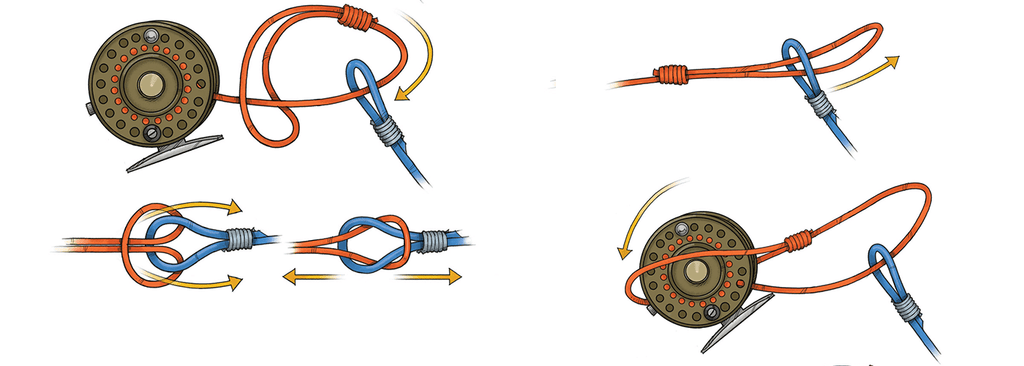
The arbor knot is the most common way to tie line to the reel spool. It holds the line firmly and is easy to learn.
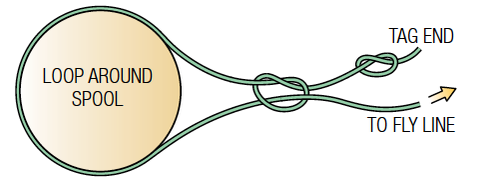
Start by wrapping the line around the reel spool. Tie an overhand knot close to the spool. Then tie a second overhand knot a few inches from the end. Pull both knots tight against the spool.
- Wrap the line around the spool.
- Make an overhand knot near the spool.
- Tie a second overhand knot on the tag end.
- Pull both knots tight to secure the line.
Double Knot For Extra Security
You can add a double knot to make sure the line stays on the reel. This method gives extra grip and reduces slipping.
After the basic arbor knot, tie a second overhand knot on the main line. Tighten it close to the first knot. This locks the line firmly in place.
- Tie the basic arbor knot first.
- Make a second overhand knot on the main line.
- Tighten the second knot close to the first.
- Check that the knots hold firmly.
Common Mistakes To Avoid
Many anglers lose line because of simple errors when attaching the line to the reel. Avoid these mistakes to keep your setup strong.
- Not tightening knots enough, causing slippage.
- Using old or damaged line that breaks easily.
- Leaving too short a tag end, so knots slip off.
- Overlapping knots that do not sit properly on the spool.
- Failing to wet the line before tightening knots, which can weaken the line.
Credit: monsterbass.com
Spooling The Line Correctly
Spooling your fishing line correctly helps you fish better. It prevents problems like tangles and twists. Taking the time to spool well saves you frustration.
This guide covers key tips for spooling your line the right way. You will learn how to keep tension, fill the spool correctly, and avoid line twist.
Maintaining Tension While Spooling
Keeping the right tension on the line is very important. Without tension, the line can wrap loosely and cause tangles. You want the line to be tight but not stretched.
- Hold the line between your fingers or use a cloth to grip it.
- Keep steady pressure as the reel spins.
- Ask someone to help by holding the spool with light tension.
- Make sure the line lays evenly on the spool.
Filling The Spool To The Right Level
Do not overfill or underfill the spool. Too much line can cause tangles. Too little line reduces casting distance and control. Aim to fill the spool about 1/8 inch from the edge.
| Spool Size | Recommended Fill Level |
|---|---|
| Small (1000-2500) | Fill to 1/8 inch from edge |
| Medium (3000-4000) | Fill to 1/8 inch from edge |
| Large (5000+) | Fill to 3/16 inch from edge |
Preventing Line Twist And Tangles
Line twist causes knots and weak spots. It happens when the line spins too much during spooling. Avoid twist by attaching the line correctly and letting it spool evenly.
- Attach the line to the reel spool with a secure knot.
- Keep the line spool facing the same direction as the reel spool.
- Slowly spool the line while maintaining tension.
- Check for twists often and fix them by letting the line hang freely.
Final Checks Before Fishing
Before casting your line, it is important to do final checks on your fishing setup. These checks help avoid problems during fishing.
Focus on testing the line strength, adjusting drag settings, and inspecting the reel for smooth operation.
Testing Line Strength
Pull the fishing line firmly to test its strength. Check for any weak spots or frays that could cause breakage.
- Grab the line near the reel and pull steadily.
- Look for any signs of damage or wear.
- Replace the line if it feels weak or damaged.
Adjusting Drag Settings
The drag controls how much resistance a fish feels when pulling the line. Adjust it to avoid line snapping or losing fish.
| Drag Setting | Purpose |
| Tight | Good for small fish |
| Medium | Works for medium-sized fish |
| Loose | Prevents line break with big fish |
Inspecting For Smooth Operation
Turn the reel handle slowly to check for smooth movement. Listen for unusual sounds or rough spots.
Use this quick checklist to inspect your reel:
- Turn handle fully in both directions
- Check spool spins without sticking
- Ensure bail arm moves freely
- Look for any loose screws or parts

Credit: windrider.com

Credit: n1outdoors.com
Frequently Asked Questions
How Do I Attach A Fishing Line To The Reel?
Start by opening the bail of your reel. Thread the line through the rod guides and tie an arbor knot around the reel spool. Close the bail, ensuring the line is secure. Wind the line onto the spool by turning the reel handle.
Ensure the line is evenly distributed.
What Type Of Knot Should I Use?
The most commonly used knot is the arbor knot. It’s reliable and easy to tie for beginners. Ensure you pull the knot tight to secure it on the spool. This knot helps prevent the line from slipping during casting and reeling.
How Much Line Should I Spool Onto The Reel?
Check your reel’s specifications for the recommended line capacity. Generally, fill the spool to within 1/8 inch of the rim. Overfilling can lead to tangles, while underfilling reduces casting distance. Always ensure the line is evenly wound on the spool to avoid issues.
Can I Use Braided Line On Any Reel?
Yes, you can use braided line on most reels. Ensure your reel is compatible by checking the manufacturer’s guidelines. Braided line offers strength and sensitivity but may require a backing line to prevent slipping. Ensure you tie it securely to the spool for optimal performance.
Conclusion
Connecting your fishing line to the reel is simple and important. Follow the steps carefully to avoid tangles or breaks. Use the right knot for a strong hold. Check the line tension before you start fishing. Practice a few times to gain confidence.
A secure connection helps catch more fish and enjoy your time outdoors. Keep your gear ready and take care of it. Now, you are set to cast your line with ease. Happy fishing!