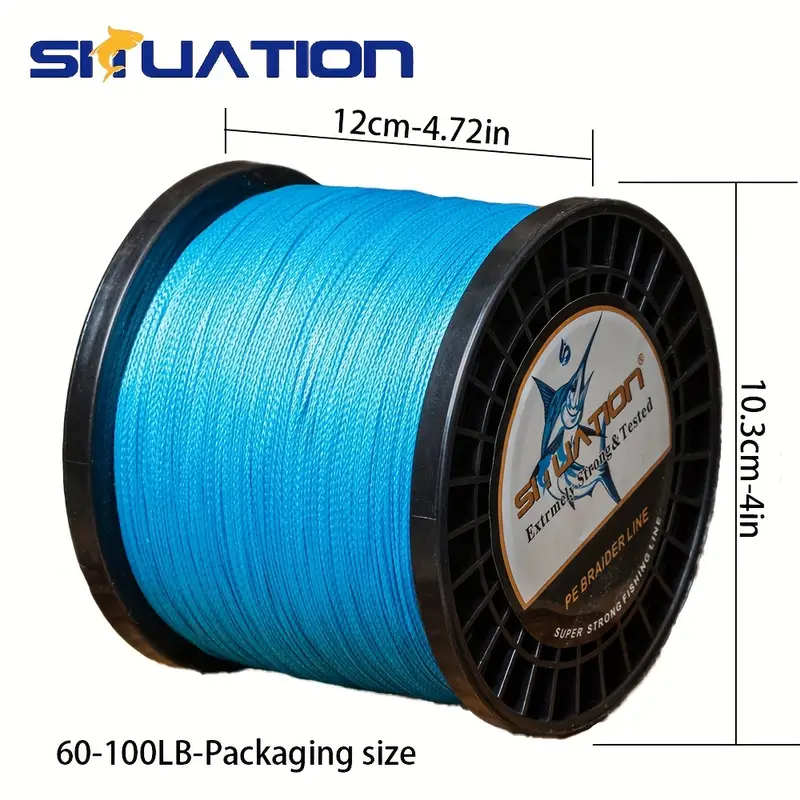
Choosing the right pound test for your saltwater fishing line can make all the difference between landing a big catch and losing it at the last moment. You might wonder how to pick the perfect strength that matches your target fish and fishing style.
Get it wrong, and you could end up with snapped lines or missed opportunities. But don’t worry—this guide will help you understand exactly what pound fishing line to use for saltwater, so you can fish smarter, not harder. Keep reading to discover simple tips that will boost your confidence and improve your results every time you head out to sea.

Credit: oneteoutdoor.en.made-in-china.com
Choosing Line Strength
Picking the right pound fishing line is key for saltwater fishing. The strength of the line affects how well it handles big fish and rough water.
Choosing the proper line strength helps avoid line breaks and improves your catch rate. It also matches your fishing gear and the fish you want to catch.
Factors Influencing Line Pound Test
Many things affect the pound test you should use. Water conditions like current and waves can strain your line more.
Saltwater fish are often stronger and bigger than freshwater fish. This means you need a tougher line to handle their power.
- Water conditions: strong currents need stronger lines
- Fish size and strength: bigger fish need higher pound test
- Fishing style: bottom fishing or trolling affects line choice
- Line material: braided, monofilament, or fluorocarbon have different strengths
Matching Line To Target Species
Choose a line strength based on the fish you want to catch. Small fish need lighter lines. Big fish need heavier lines.
- Light line (10-20 lb): good for small fish like snapper and sea trout
- Medium line (20-40 lb): works well for redfish and smaller tuna
- Heavy line (40+ lb): needed for big sharks and large groupers
Match the line strength to the fish’s weight and fighting ability. This helps you land fish without breaking the line.
Considering Rod And Reel Compatibility
Your rod and reel must handle the line strength you pick. Using too strong a line can damage your gear.
Check the rod’s recommended pound test and the reel’s line capacity. Stay within these limits for best performance.
- Rod power: light, medium, or heavy power rods fit different line strengths
- Reel capacity: must hold enough line of your chosen pound test
- Drag system: stronger drag suits heavier lines and bigger fish
Popular Line Types For Saltwater
Choosing the right fishing line is important for saltwater fishing. Different types of lines offer various strengths and features.
Saltwater can be tough on fishing lines. You need a line that resists water damage and handles big fish well.
Monofilament Line Benefits
Monofilament line is a popular choice for saltwater fishing. It is easy to handle and knots well.
This line stretches under pressure, which helps absorb shocks from fighting fish.
- Good stretch reduces fish break-offs
- Easy to tie and handle
- Affordable and widely available
- Floats on water surface
Braided Line Advantages
Braided line is strong and thin. It has little stretch, giving better sensitivity.
It is good for fishing in heavy cover or deep water because of its strength and durability.
- High strength with small diameter
- Excellent sensitivity for bites
- Does not stretch much
- Durable against abrasion
Fluorocarbon Line Features
Fluorocarbon line is almost invisible underwater. It sinks faster than other lines.
This line resists sun and salt damage well, making it a good choice for clear water fishing.
- Low visibility in water
- Sinks quickly for deep fishing
- Strong and abrasion resistant
- Resists sun and salt damage
Line Strength Recommendations
Choosing the right pound test for saltwater fishing line is important. It helps you catch fish without breaking your line.
This guide covers the best line strength for light, medium, and heavy saltwater fishing.
Light Saltwater Fishing
Light saltwater fishing is for small fish near the shore or in shallow water. Use lighter lines to feel bites better.
Lines between 8 and 15 pounds are good for this type of fishing. They balance strength and sensitivity.
- 8-12 lb for small fish like snapper and trout
- 10-15 lb for slightly bigger fish like redfish
Medium Saltwater Fishing
Medium saltwater fishing targets bigger fish in bays or near reefs. You need stronger lines to handle fights.
Lines rated from 20 to 30 pounds work well here. They give good strength without too much bulk.
- 20-25 lb for species like grouper and amberjack
- 25-30 lb for larger snappers and small sharks
Heavy Saltwater Fishing
Heavy saltwater fishing is for big fish in deep water or strong currents. You need very strong lines to avoid breaks.
Use lines rated 40 pounds or more for heavy fishing. This strength handles big fish and tough conditions.
- 40-50 lb for large tuna and big sharks
- 50+ lb for giant groupers and heavy offshore species
Environmental Considerations
Choosing the right pound fishing line for saltwater affects the environment. Strong lines reduce lost gear in oceans.
Fishing lines that resist damage last longer and cause less pollution in marine habitats.
Dealing With Abrasion And Saltwater Corrosion
Saltwater wears down fishing lines quickly. Abrasion from rocks and shells can cause breaks.
Use lines made from materials that resist corrosion and abrasion to protect marine life.
- Nylon and fluorocarbon lines resist saltwater damage well
- Thicker lines handle rough surfaces better
- Regularly check lines for wear to avoid losing gear
Uv Resistance And Line Longevity
Sunlight breaks down fishing lines over time. UV rays make lines weak and brittle.
Choose lines with UV protection to keep them strong and reduce waste in oceans.
- UV-resistant lines last longer in bright conditions
- Store lines in shaded places to extend life
- Replacing lines less often helps reduce pollution
Tips For Maximizing Line Performance
Choosing the right pound fishing line for saltwater is important. Proper care helps keep the line strong and long-lasting.
These tips focus on keeping your line in good shape, tying strong knots, and checking the line often.
Proper Line Maintenance
Saltwater can wear down your fishing line quickly. Rinse your line with fresh water after every use. Avoid leaving your line in direct sunlight for long periods. Store your line in a cool, dry place to prevent damage.
- Rinse line with fresh water after saltwater fishing
- Keep line out of direct sunlight
- Store line in a cool, dry place
- Replace line after heavy use or damage
Knot Selection For Strength
Strong knots keep your line from breaking during fights with big fish. Some knots work better with certain line types. Use knots that hold firm and do not slip.
| Knot | Best For | Strength |
| Palomar Knot | Braided Line | High |
| Uni Knot | Monofilament and Fluorocarbon | High |
| Improved Clinch Knot | Monofilament | Medium |
| Loop Knot | Leaders and Lures | Good |
Regular Line Inspection
Check your fishing line before each trip. Look for cuts, frays, or weak spots. Replace any damaged sections to avoid losing fish.
- Look for cuts or abrasions
- Feel for thin or weak areas
- Replace line if damaged or old
- Check knots and connections
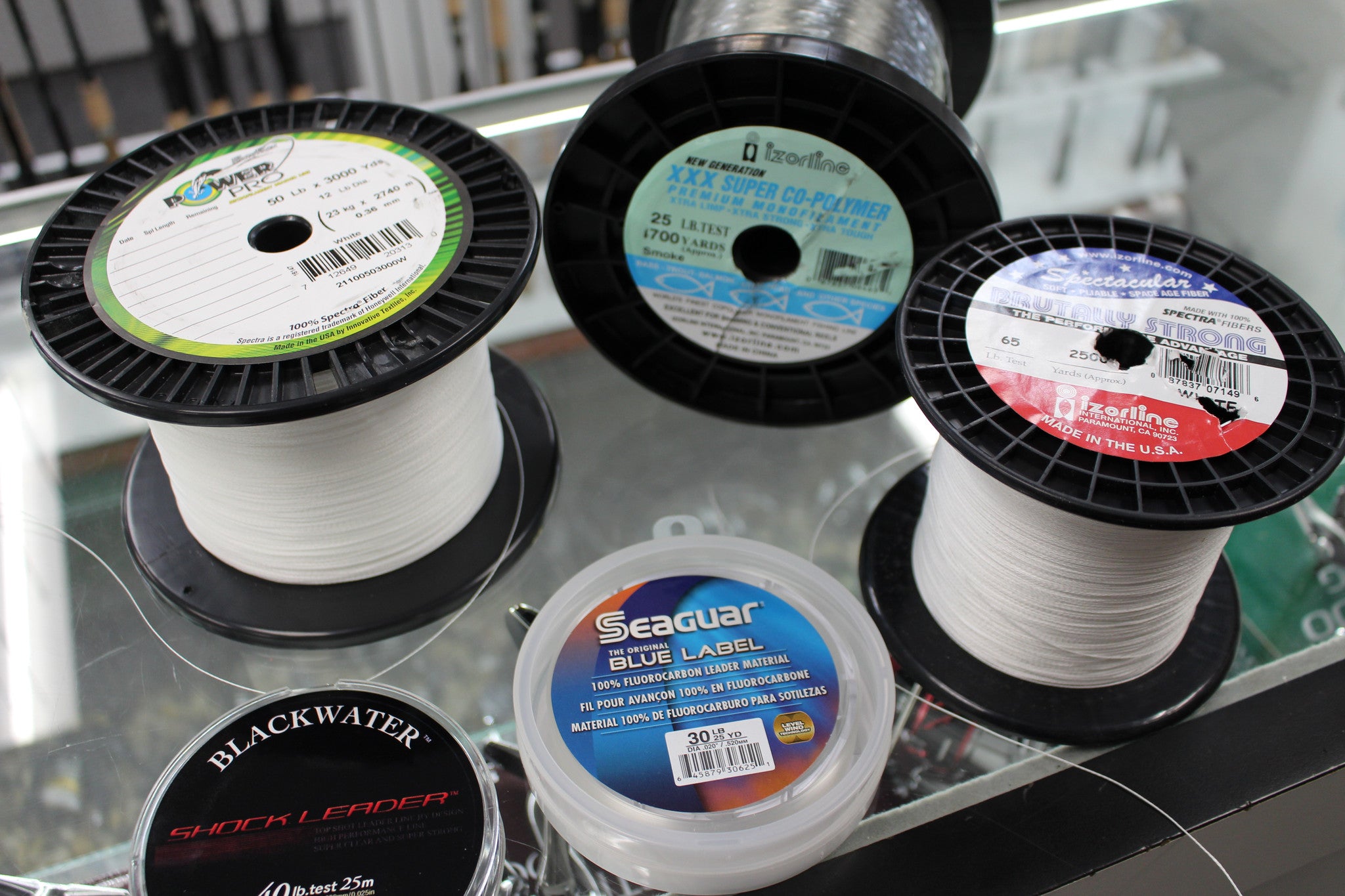
Credit: tackleexpress.com
Latest Trends And Innovations
Choosing the right pound fishing line for saltwater is more important than ever. New technology and materials improve strength and durability. Anglers now have more options to suit different fishing needs.
This article covers recent advances in fishing line materials, smart fishing lines, and eco-friendly options. These trends help anglers fish better and protect the environment.
Advances In Line Materials
Modern saltwater fishing lines use stronger and lighter materials. These lines resist abrasion and stretch less than older types. Materials like braided polyethylene and fluorocarbon are popular choices.
- Braided lines offer high strength with thin diameter.
- Fluorocarbon lines are nearly invisible underwater.
- Monofilament lines provide good stretch and shock absorption.
- New blends combine materials for better durability.
Smart Fishing Lines
Smart fishing lines include features that help anglers track and use their line better. Some lines change color to show depth or pressure. Others have embedded sensors to monitor tension.
| Feature | Benefit |
| Color-changing fibers | Show how deep the line is |
| Embedded sensors | Monitor line tension in real time |
| UV-resistant coating | Protect line from sun damage |
| Anti-twist design | Reduce line tangles and knots |
Eco-friendly Line Options
Environmental concerns drive new options for fishing lines. Some lines use biodegradable materials that break down faster in water. Others avoid harmful chemicals in manufacturing.
- Biodegradable polymers to reduce ocean waste
- Non-toxic dyes and additives
- Recyclable packaging to limit plastic use
- Durable to reduce line loss and litter

Credit: www.amazon.ca
Frequently Asked Questions
What Is The Best Pound Line For Saltwater Fishing?
For saltwater fishing, a 20 to 30-pound line is ideal. It offers a good balance of strength and flexibility, which is crucial for handling larger fish species commonly found in saltwater. Choosing the right line strength ensures better performance and reduces the risk of breakage.
How Does Line Weight Affect Fishing?
Line weight impacts casting distance and fish control. Heavier lines provide better control over larger fish, while lighter lines offer longer casting distances. Selecting the right line weight is essential for effective fishing, matching the line with your target species and fishing conditions.
Can I Use Freshwater Line In Saltwater?
Using freshwater line in saltwater isn’t recommended. Saltwater conditions are harsher, and freshwater lines may not withstand them. Saltwater lines are designed to resist corrosion and handle stronger fish. Ensure you choose the right line type for optimal performance and durability.
What Factors Determine Line Strength For Saltwater?
Line strength for saltwater depends on target fish species, fishing technique, and environment. Larger fish need stronger lines, while specific techniques may require different strengths. Consider water conditions, such as currents and obstacles, when selecting the appropriate line strength for your needs.
Conclusion
Choosing the right pound fishing line makes saltwater fishing better. Stronger lines help catch big fish without breaking. Lighter lines offer better casting and less visibility underwater. Think about the fish size and water conditions before picking. A balanced choice keeps your fishing fun and successful.
Try different lines to see what works best for you. Remember, the right line helps you enjoy every fishing trip.