If you want to catch more trout, setting up your fishing line the right way is key. The right line can make all the difference between a quick bite and a long wait.
But how do you know which line to use and how to set it up for the best results? In this guide, you’ll learn simple steps to get your line ready, so you can focus on landing those beautiful trout.
Keep reading, and you’ll be fishing like a pro in no time.

Credit: www.youtube.com
Choosing The Right Line
Picking the right fishing line is important for trout fishing. It affects how you cast and catch fish.
You want a line that is strong, thin, and hard for trout to see. Let’s look at some options.
Types Of Fishing Line
There are three main types of fishing lines: monofilament, fluorocarbon, and braided. Each has its own uses.
- Monofilament:A single strand of nylon. It is soft and easy to handle.
- Fluorocarbon:Made of clear material that is hard to see underwater.
- Braided:Made of many fibers braided together. It is very strong and thin.
Line Strength And Diameter
Line strength is how much weight the line can hold before breaking. Diameter is the thickness of the line.
For trout, use light to medium strength lines. Thin lines help you cast better and avoid scaring fish.
- Light lines: 2 to 6 pounds test are good for small trout.
- Medium lines: 6 to 10 pounds test work for bigger trout.
- Thinner lines make less splash and are less visible to trout.
Fluorocarbon Vs Monofilament
Fluorocarbon sinks faster and is harder for trout to see. It works well in clear water.
Monofilament floats more and is softer. It is easier to handle and cheaper than fluorocarbon.
- Choose fluorocarbon for clear water and deep fishing.
- Choose monofilament for surface fishing and easier casting.
- Both lines work well, depending on your fishing style.
Selecting The Appropriate Leader
The leader is a crucial part of your trout fishing line setup. It connects your main line to the fly or lure. Choosing the right leader helps you cast better and catch more fish.
This guide covers the leader length, tippet material, and knots for attaching the leader. These details affect your fishing success.
Leader Length Guidelines
The length of your leader depends on the water and fishing style. Shorter leaders work well in small streams. Longer leaders are better for clear water and shy trout.
- 6 to 7 feet for small streams and close casting
- 9 to 12 feet for larger rivers and lakes
- Longer than 12 feet for very clear water or cautious fish
Tippet Material Options
Choose tippet material based on water clarity and fish pressure. Fluorocarbon is less visible underwater. Monofilament offers more stretch and is easier to knot.
| Material | Visibility | Stretch | Best Use |
| Fluorocarbon | Low | Low | Clear water, wary fish |
| Monofilament | Medium | High | General fishing, easier knots |
| Copolymer | Medium | Medium | Balanced choice for many conditions |
Knot Choices For Leader Attachment
Strong knots keep your leader secure and protect the tippet. Choose knots that are easy to tie and hold well.
- Improved Clinch Knot: Common and reliable for tippet to fly
- Surgeon’s Knot: Simple and strong for joining lines
- Nail Knot: Used to attach leader to fly line smoothly
Setting Up Your Reel
Getting your reel ready is key for a smooth trout fishing trip. A well-set reel helps you cast better and catch more fish.
Follow simple steps to spool your line, adjust drag, and keep the line neat on your reel.
Spooling The Line Correctly
Spooling your reel with line correctly stops tangles and line twists. Start by attaching the line to the spool with a secure knot.
- Keep tension on the line while spooling
- Fill the spool about 1/8 inch from the edge
- Avoid overfilling to prevent line slippage
- Use backing line for extra line capacity if needed
Adjusting Drag For Trout
The drag controls how much resistance a fish feels when it pulls line. Set drag low enough to protect your line but high enough to tire trout.
| Trout Size | Drag Setting |
| Small (under 12 inches) | 2-4 pounds |
| Medium (12-18 inches) | 4-6 pounds |
| Large (over 18 inches) | 6-8 pounds |
Maintaining Line On The Reel
Keep your line tidy on the reel to avoid problems during casting and fighting fish. Regularly check and adjust as needed.
- Check for twists and remove them
- Re-spool if the line looks worn or damaged
- Keep the reel clean and lubricated
- Store your rod and reel properly to protect the line

Credit: www.reddit.com
Rigging For Different Trout Techniques
Choosing the right line setup helps you catch more trout. Different trout fishing methods need specific rigging. This guide covers three popular setups.
Understanding each setup lets you fish with better control and accuracy. Learn how to rig for dry flies, nymphs, and streamers.
Dry Fly Rig Setup
Dry fly fishing uses a light floating line to keep the fly on the water surface. Use a weight-forward floating line for easier casting.
- Attach a tapered leader about 9 feet long
- Add a tippet matching the fly size
- Use a strike indicator only if needed
- Keep the line light to avoid drag
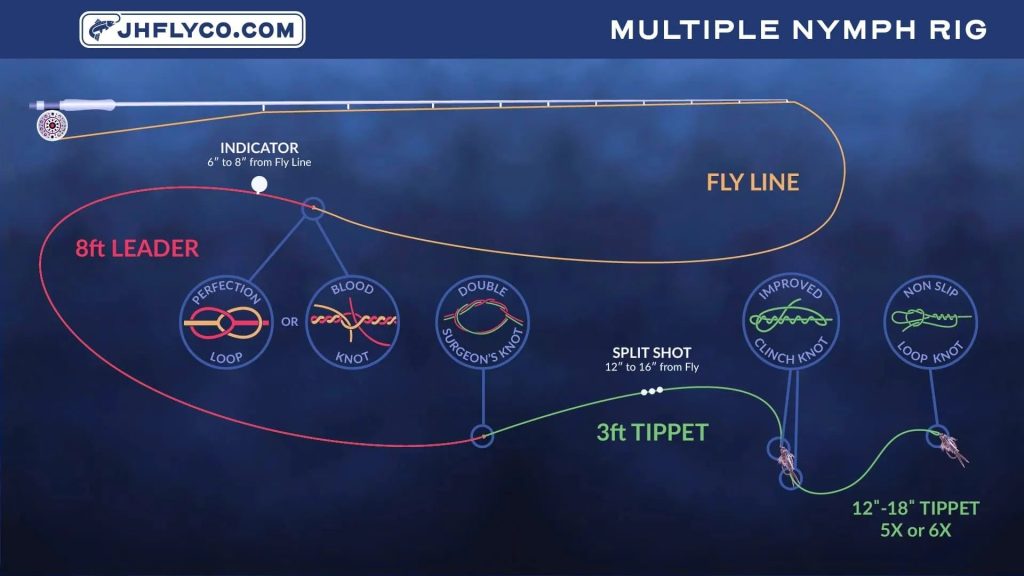
Nymphing Line Setup
Nymph fishing targets trout below the surface. Use a sinking or sink-tip line to reach the right depth faster.
| Line Type | Best Use | Leader Length |
| Sinking Line | Deep pools and fast water | 9-12 feet |
| Sink-tip Line | Shallow runs and riffles | 10-14 feet |
| Floating Line with Indicator | Slow streams with indicator | 9 feet |
Attach a longer leader with a heavy tippet to hold the nymph near the bottom. Strike indicators help detect bites.
Streamer Line Configuration
Streamers imitate baitfish and need a strong line to handle bigger trout. Use a weight-forward sinking line for good casting distance.
Follow these tips for streamer rigging:
- Choose a sinking line rated for your rod’s weight
- Use a heavy leader to prevent break-offs
- Add a swivel to reduce line twist
- Cast across or downstream to cover more water
Tips For Casting And Presentation
Setting up your line for trout fishing helps you cast better and present your bait well. Good line setup improves your chances to catch trout.
This guide focuses on line management, controlling line drift, and feeling strikes through the line. These tips help you fish more effectively.
Line Management For Accurate Casting
Keep your line neat and tangle-free to make accurate casts. Avoid too much slack or tightness in the line.
Use smooth, steady motions when you cast. This helps the line fly straight and land where you want it.
- Check your line for twists before casting
- Use a leader suited for trout fishing
- Keep the line tight during the cast
- Practice your casting technique often
Controlling Line Drift
Line drift happens when the current moves your line away from the target. Control drift to keep your bait where trout are.
Watch the flow of the water and adjust your rod angle to reduce drift. Use the right amount of line out for the current speed.
- Keep your rod tip low to reduce line movement
- Use mending to move the line against the current
- Shorten your cast if the drift is too strong
- Choose a line weight that matches the water flow
Detecting Strikes Through The Line
Feeling a strike through the line helps you react fast and catch trout. Use your fingers to sense small movements.
Keep your hand near the reel and watch the line tension. A sudden pull or twitch means a fish is on the hook.
- Hold the line lightly with your fingers
- Watch for changes in line speed or tension
- Keep the rod tip up to sense bites better
- Be ready to set the hook quickly

Credit: mysterytacklebox.com
Line Maintenance And Troubleshooting
Keeping your fishing line in good shape helps catch more trout. Regular checks prevent breaks and tangles. Proper care extends the life of your line.
In this guide, learn how to inspect your line, fix common problems, and know when to replace it. These tips make trout fishing easier and more fun.
Checking For Line Wear
Look for signs of wear on your fishing line before each trip. Check for cuts, frays, or weak spots that can cause breaks. Pay close attention to areas near the reel and guides.
- Run the line slowly through your fingers to feel for rough spots
- Look for discoloration that shows damage from sun or water
- Inspect knots for slipping or loosening
- Replace line if it looks brittle or worn out
Removing Line Twists And Tangles
Twists and tangles reduce casting distance and may cause line breaks. Remove them carefully to keep your line smooth. Use these steps to fix twists and tangles.
- Let out some line from the reel to loosen twists
- Hold the rod tip high and let the line hang freely
- Use your hand or a swivel to untwist the line slowly
- Pull the line gently to remove any tangles or knots
- Rewind the line evenly back onto the reel
Replacing Line When Needed
Replace your fishing line if it shows serious damage or loses strength. Fresh line improves your chances of landing trout and reduces breaks.
| Condition | Action |
| Line has deep cuts or frays | Replace immediately |
| Line feels stiff or brittle | Replace soon |
| Line has frequent knots or tangles | Check for twists, then replace if needed |
| Line is over one year old | Consider replacing for best performance |
Frequently Asked Questions
What Is The Best Line Weight For Trout Fishing?
The best line weight for trout fishing typically ranges from 2 to 6 pounds. Light lines offer better sensitivity and stealth, making them ideal for catching trout. Choose a line weight based on the size of the trout and fishing conditions.
How Do I Choose The Right Fishing Line?
Consider water clarity, trout size, and fishing environment when choosing a line. Monofilament is versatile and affordable, while fluorocarbon is nearly invisible underwater. Braided lines are strong and sensitive, perfect for heavy cover.
What Knots Should I Use For Trout Fishing?
The improved clinch knot and Palomar knot are popular for trout fishing. They provide strong, reliable connections. Practice these knots to ensure they’re tied correctly, minimizing the risk of losing your catch.
How Should I Set Up A Fishing Reel For Trout?
Start by spooling your reel with the appropriate line weight. Ensure it’s tightly wound to avoid tangles. Attach a leader if necessary, and adjust the drag setting for smooth line release when a trout bites.
Conclusion
Setting up your line correctly makes trout fishing easier and more fun. Choose the right line weight and type for your fishing spot. Tie your knots tightly to avoid losing fish. Check your line often for any damage. Practice casting smoothly to improve your chances.
Enjoy the quiet and the thrill of fishing. Patience and care bring better results every time. Keep these tips in mind and enjoy your next trout fishing trip. Simple steps lead to great catches.