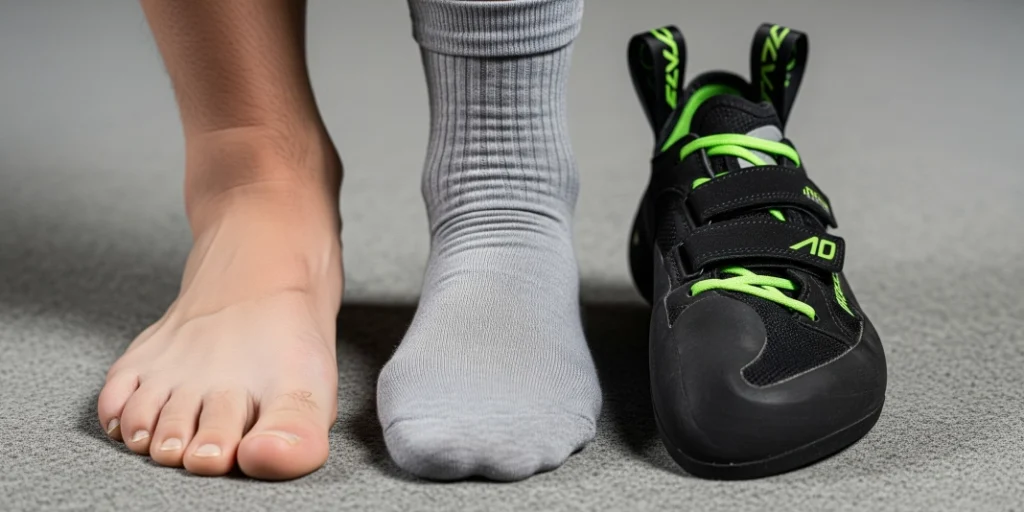
Are you wondering if wearing socks with your climbing shoes is a good idea? It’s a question many climbers ask, but the answer isn’t always clear.
What you decide can affect your comfort, performance, and even how long your shoes last. Imagine climbing harder and feeling more confident just by making this simple choice. Keep reading, and you’ll discover the surprising truth about socks and climbing shoes—and how it can make a real difference in your next climb.
Benefits Of Wearing Socks
Wearing socks with climbing shoes can improve your climbing experience. Socks add a layer of protection and comfort.
They help keep your feet safe and fresh during climbs. Let’s explore the main benefits of wearing socks.
Improved Comfort And Cushioning
Socks add extra cushioning inside climbing shoes. This reduces pressure on your feet and softens hard spots.
They also absorb sweat, keeping your feet dryer and more comfortable during long climbs.
Reduced Friction And Blister Prevention
Socks reduce friction between your skin and the shoe. This lowers the risk of blisters and skin irritation.
- Reduce skin rubbing against the shoe
- Help prevent painful blisters
- Protect sensitive areas like toes and heels
- Keep feet comfortable on rough surfaces
Enhanced Hygiene And Odor Control
Socks act as a barrier to sweat and bacteria. They help keep your climbing shoes cleaner and reduce bad smells.
| Benefit | How Socks Help |
|---|---|
| Hygiene | Absorb sweat and prevent bacteria buildup |
| Odor Control | Reduce shoe smell by keeping feet dry |
| Cleanliness | Protect shoe lining from dirt and oils |
Credit: www.climbing.com
Advantages Of Going Sockless
Many climbers ask if they should wear socks with climbing shoes. Choosing to go sockless has some clear benefits. It can improve your climbing experience in several ways.
Socks can add thickness, which changes how the shoe fits. Going without socks lets the shoe work better with your foot. Below are some advantages of wearing climbing shoes without socks.
Better Sensitivity And Precision
Wearing climbing shoes without socks helps you feel the rock better. Your foot can sense small holds and edges more clearly. This helps you place your feet with more accuracy.
With better sensitivity, you can trust your foot placements. It also helps you balance and move more smoothly on the wall.
Closer Fit And Control
Climbing shoes are designed to fit snugly around your foot. Socks add extra space and can make the fit loose. Going sockless allows the shoe to fit tighter and closer.
A closer fit means better control of your foot inside the shoe. You can move your toes and edges more precisely. This improves your overall climbing performance.
Easier To Slip Shoes On And Off
Climbing shoes often fit very tight and can be hard to put on with socks. Going sockless makes it easier to slide your foot in and out of the shoe. This saves time and effort before and after climbing.
It also reduces friction between the shoe and sock, which can cause blisters or discomfort. Without socks, your feet breathe better inside the shoe.
Types Of Socks For Climbing
Choosing the right socks for climbing can affect comfort and foot health. Socks help reduce friction and keep feet dry.
Different socks suit different climbing styles and shoe types. Here are common options to consider.
Thin Synthetic Socks
Thin synthetic socks are made from materials like nylon or polyester. They fit tightly inside climbing shoes without adding bulk.
These socks wick moisture away from your skin. They help keep feet dry and reduce the chance of blisters.
- Provide good breathability
- Dry quickly after sweating
- Fit well in tight shoes
- Easy to wash and durable
Wool And Merino Options
Wool socks, especially merino wool, offer warmth and comfort. They are soft and help regulate temperature.
Merino wool also resists odor and absorbs moisture. These socks are good for cool weather or longer climbs.
- Warm yet breathable
- Natural moisture control
- Soft on the skin
- Resist odors during long use
Specialized Climbing Socks
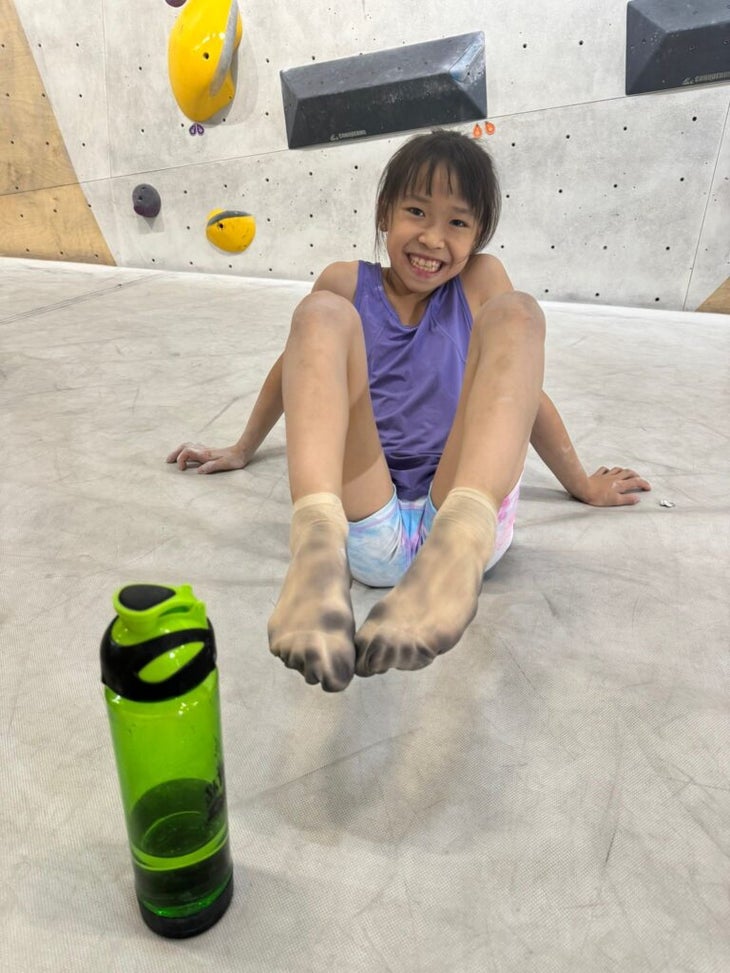
Some socks are made just for climbing. They have extra padding in key areas to protect your feet.
These socks improve comfort on rough surfaces and reduce foot fatigue. They often combine synthetic and natural fibers.
- Extra padding on toes and heels
- Snug fit to prevent slipping
- Reinforced seams for durability
- Designed to work with climbing shoes
Credit: www.climbing.com
Factors To Consider
Choosing whether to wear socks with climbing shoes depends on many factors. These factors affect your comfort and climbing performance.
Understanding these factors helps you make the right choice for your climbing needs.
Shoe Fit And Design
Climbing shoes are designed to fit tightly for better control. Wearing socks can change how the shoes fit. Some shoes are made with enough space to wear thin socks. Others need to be worn barefoot for the best fit.
- Socks add thickness and reduce tightness.
- Thin socks can help if shoes feel too tight.
- Thicker socks may cause discomfort or reduce grip.
- Some shoes have a lining that feels better with socks.
Climbing Style And Terrain
Your climbing style and the terrain influence your choice. Socks can add warmth in cold places. Bare feet give better feel on indoor walls. Outdoor climbing might need more protection from rough surfaces.
| Climbing Style | Best Choice |
| Indoor Bouldering | Barefoot for better sensitivity |
| Sport Climbing in Cold | Thin socks for warmth |
| Outdoor Trad Climbing | Socks for foot protection |
| Long Multi-Pitch | Thin socks for comfort |
Personal Comfort Preferences
Comfort is different for each climber. Some prefer the feel of bare feet in shoes. Others like socks to avoid blisters and sweat. Choosing socks can help keep feet dry and reduce odor.
- Try both with and without socks before deciding.
- Use thin, breathable socks if you choose to wear them.
- Check for any hot spots or pressure points.
- Replace socks regularly to keep feet fresh.
Tips For Sock And Shoe Care
Taking care of your climbing shoes and socks helps keep them clean and fresh. Good care also makes your gear last longer.
Learn simple ways to clean, prevent odor, and extend the life of your shoes and socks.
Cleaning And Maintenance
Remove dirt and sweat from your climbing shoes after each use. Wipe them with a damp cloth and let them air dry. Avoid direct sunlight to stop damage.
- Take out the insoles if possible and clean them separately.
- Hand wash socks with mild detergent to keep fabric soft.
- Do not put shoes or socks in the washing machine or dryer.
- Use a soft brush to remove dust from shoe soles.
Preventing Odor And Bacteria
Odor and bacteria grow in warm, damp places like inside shoes and socks. Use these tips to keep them fresh and healthy.
| Method | How It Helps |
| Use baking soda inside shoes | Absorbs moisture and odor |
| Air out shoes after climbing | Dries sweat and reduces bacteria |
| Wear clean socks every time | Limits bacteria growth |
| Use shoe deodorizer sprays | Kills odor-causing germs |
Extending Shoe Lifespan
Keep your climbing shoes in good shape to climb longer without buying new ones often. Follow these care tips.
- Store shoes in a cool, dry place away from sunlight.
- Rotate between two pairs of shoes to reduce wear.
- Check shoes regularly for damage and fix small tears early.
- Do not wear climbing shoes for walking or casual use.
- Replace worn-out laces and insoles to maintain fit and comfort.
Credit: www.advnture.com
Expert Recommendations
Climbing shoes fit tightly to help you grip rocks better. Some climbers wonder if they should wear socks with their shoes. This guide shares expert advice on when to wear socks and when to go barefoot. It also explains how to customize your choice for the best comfort and performance.
Choosing the right way depends on the type of climb, shoe fit, and your personal needs. Read on to learn how to make the best decision for your climbing experience.
When To Wear Socks
Wearing socks with climbing shoes is not common, but some situations call for it. Socks can add comfort and reduce friction. They also help keep feet warm on cold days.
- If your shoes feel too tight and cause pain, thin socks can ease pressure.
- Long climbs or multi-pitch routes may benefit from socks to prevent blisters.
- Use socks if you have sensitive skin or foot issues.
- When climbing in cold weather, socks help keep your feet warm.
When To Go Barefoot
Most climbers wear their shoes without socks. This allows for better shoe fit and control. Barefoot climbing helps you feel the rock and improves sensitivity.
| Benefit | Explanation |
| Better Fit | Shoes fit snugly without extra layers. |
| Improved Grip | Direct contact helps with sensitivity and control. |
| Less Moisture | Feet dry faster without socks trapping sweat. |
| Easier Adjustments | You can quickly remove or adjust shoes. |
Customizing Your Approach
Every climber is different. You can try different methods and see what works best for you. Some mix and match based on the climb or weather.
Here are tips to customize your sock use:
- Use ultra-thin socks if you want some protection but need a close fit.
- Try socks made from moisture-wicking materials to keep feet dry.
- Break in your shoes with and without socks to compare comfort.
- Bring socks on cold days and leave them out in warm weather.
Frequently Asked Questions
Should I Wear Socks With Climbing Shoes?
Wearing socks with climbing shoes depends on personal comfort and shoe fit. Socks add cushioning and reduce odor but may reduce sensitivity. Barefoot climbing offers better grip and control but can cause discomfort. Choose based on your climbing style and shoe tightness.
Do Socks Affect Climbing Shoe Performance?
Yes, socks can slightly reduce shoe sensitivity and grip. Thin, tight-fitting socks minimize this effect. Some climbers prefer no socks for better foot feel. Consider your comfort and climbing demands when deciding to wear socks or not.
What Type Of Socks Work Best With Climbing Shoes?
Thin, moisture-wicking, and seamless socks work best. They reduce friction, prevent blisters, and maintain foot dryness. Avoid thick or cushioned socks as they alter shoe fit and reduce performance. Proper socks enhance comfort without compromising climbing precision.
Can Wearing Socks Prevent Foot Odor In Climbing Shoes?
Yes, socks help absorb sweat and reduce bacteria buildup. This prevents unpleasant odor and keeps feet dry. Regularly washing socks and shoes also controls odor. Wearing socks is a practical way to maintain hygiene during climbing sessions.
Conclusion
Deciding to wear socks with climbing shoes depends on personal comfort. Some climbers find socks add warmth and prevent blisters. Others prefer the direct feel of no socks. Try both options to see what feels best for you. Consider the type of climb and weather conditions too.
Remember, there’s no right or wrong choice. Your comfort and performance matter most. So, experiment and choose what keeps you climbing strong. Enjoy your climb and stay safe!