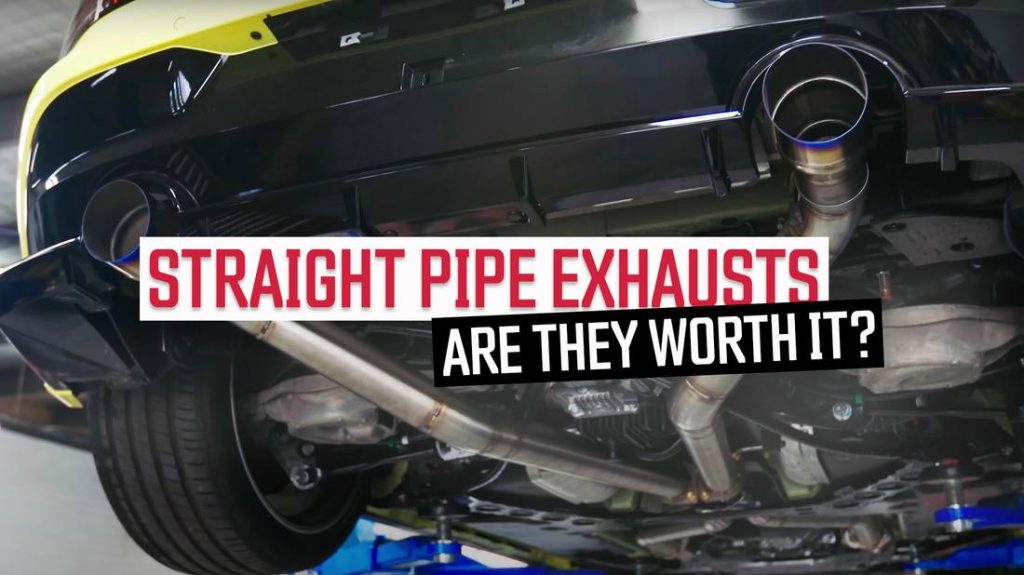
Have you ever wondered what makes some cars sound louder and feel more powerful? The answer might be in the exhaust system, specifically something called a straight pipe exhaust system.
If you’re curious about how this simple change can transform your ride’s performance and sound, you’re in the right place. You’ll discover exactly what a straight pipe exhaust system is, how it works, and whether it might be the upgrade your vehicle needs.
Keep reading to unlock the secrets behind this popular modification.

Credit: carbuzz.com
Straight Pipe Exhaust Basics
A straight pipe exhaust system removes all the parts that slow down the exhaust gases. It uses a simple, straight pipe to let gases flow freely out of the engine. This type of system is popular for those who want more sound and less back pressure.
Straight pipe exhausts are common in racing and custom car builds. They can increase engine power by reducing restrictions in the exhaust path. This system is different from stock setups that use mufflers and catalytic converters.
Key Components
The main part of a straight pipe exhaust is the pipe itself. It is a simple tube that replaces the muffler and catalytic converter. The pipe is usually made of stainless steel or aluminized steel to resist heat and rust.
There are no extra parts to quiet the sound or reduce emissions. Some setups may include a flange or clamps to connect the pipe to the engine or other parts of the exhaust system.
- Straight pipe: a simple, unbent tube
- Flanges or clamps: connect pipes securely
- Heat-resistant materials: stainless or aluminized steel
How It Differs From Stock Systems
Stock exhaust systems have many parts to reduce noise and pollution. They include mufflers, catalytic converters, and resonators. These parts slow down exhaust gases and clean harmful emissions.
Straight pipe exhausts remove these parts. This leads to louder sound and fewer restrictions in gas flow. The system makes the engine sound louder and can improve performance, but it may not follow legal rules for emissions.
- Stock systems have mufflers and catalytic converters
- Straight pipe removes noise and emission controls
- Straight pipes allow faster exhaust gas flow
- Stock systems focus on quiet and clean exhaust
Performance Benefits
A straight pipe exhaust system removes restrictions in the exhaust path. This change leads to several performance gains for vehicles.
Below are key benefits that drivers can expect when using a straight pipe exhaust system.
Increased Horsepower
Without mufflers or catalytic converters, the engine pushes exhaust gases out faster. This faster exit reduces back pressure and allows the engine to breathe better. As a result, horsepower increases.
Improved Exhaust Flow
The straight pipe design creates a smooth path for exhaust gases. This smooth path helps the gases flow more freely and efficiently through the system.
- Less resistance in the pipes
- Reduced turbulence of exhaust gases
- Faster removal of exhaust from the engine
- Improved engine efficiency and response
Weight Reduction
| Exhaust System Part | Typical Weight (lbs) | Straight Pipe Weight (lbs) |
|---|---|---|
| Muffler | 15 | 0 |
| Catalytic Converter | 10 | 0 |
| Additional Piping | 8 | 5 |
| Total | 33 | 5 |
Removing parts like mufflers and catalytic converters cuts down the total exhaust weight. This weight drop helps improve vehicle acceleration and handling.
Sound And Noise Impact
A straight pipe exhaust system changes how your vehicle sounds. It removes mufflers and other parts that reduce noise.
This system lets exhaust gases flow freely, making the engine louder and more noticeable.
Louder Exhaust Tone
Without mufflers, the exhaust noise becomes louder and sharper. This creates a deep growl or roar from the engine.
The louder sound can be exciting for car lovers who want their vehicle to stand out.
Legal Considerations
Many places have laws about how loud a vehicle’s exhaust can be. Straight pipe systems might break these rules.
It is important to check local noise laws before installing a straight pipe exhaust system.
- Excessive noise can lead to fines or tickets
- Some areas require mufflers by law
- Vehicle inspections may fail without proper exhaust parts

Credit: carbuzz.com
Installation Insights
Installing a straight pipe exhaust system changes how your car sounds and performs. It removes restrictions in the exhaust flow for better power.
The installation process needs care and the right tools. Understanding the basics helps you decide if you should do it yourself or hire a pro.
Diy Vs Professional Fitment
Some people install straight pipe exhausts on their own to save money. It requires basic tools and mechanical skills.
Professional fitment offers a clean and secure install. Experts avoid leaks and fit the system perfectly to your car.
- DIY is cheaper but needs time and patience
- Professionals have experience and special tools
- Incorrect DIY installation can cause leaks or damage
- Professional work often includes warranty or support
Compatibility With Vehicle Types
Straight pipe exhausts work better with some vehicles than others. They suit cars built for performance upgrades.
Older cars and trucks often accept straight pipe systems easily. Newer cars may need custom parts to fit properly.
- Sports cars gain power and sound with straight pipes
- Trucks get better exhaust flow for towing and speed
- Some vehicles require custom fabrication for fitment
- Check local laws; some cars need emissions equipment
Potential Drawbacks
A straight pipe exhaust system can affect your vehicle in several ways. It changes how the engine breathes and sounds.
Understanding the possible downsides helps you make a better choice for your car or truck.
Emissions And Environmental Concerns
Straight pipe systems remove the muffler and catalytic converter. This can increase harmful emissions released into the air.
- More nitrogen oxides (NOx) may be produced.
- Carbon monoxide (CO) levels can rise.
- Unfiltered exhaust gases contribute to pollution.
- May fail emissions tests required by law.
Possible Engine Tuning Needs
Removing parts of the exhaust can change engine performance. The engine may need tuning to run well.
| Issue | Effect | Solution |
| Air-fuel mixture | Can run too lean or rich | Adjust fuel map |
| Check engine light | May turn on | Use a tuner or delete module |
| Reduced backpressure | Can affect torque | Custom tuning |
Popular Applications
Straight pipe exhaust systems are common in many vehicle types. They allow exhaust gases to flow freely without restrictions.
This setup is often chosen for specific uses where performance and sound are important. Below are popular applications of straight pipe exhausts.
Racing And Track Use
Racing cars use straight pipe exhausts to reduce back pressure. This helps the engine breathe better and produce more power.
- Improves engine response and acceleration
- Lowers weight by removing mufflers and catalytic converters
- Creates louder exhaust sound for feedback and awareness
- Allows easier tuning of exhaust flow for maximum performance
Off-road Vehicles
Off-road vehicles use straight pipe exhausts to handle rough terrain. The simpler design reduces damage risk and improves durability.
| Benefit | Description |
| Increased Ground Clearance | Straight pipes often have fewer bends and parts underneath. |
| Less Clogging | No catalytic converters reduce chances of blockages from dirt. |
| Easy Maintenance | Simple pipe design allows quick repairs in remote areas. |
| Better Exhaust Flow | Improves engine efficiency and throttle response off-road. |
Maintenance Tips
Maintaining a straight pipe exhaust system helps it last longer. Proper care keeps your vehicle running well.
Simple maintenance steps can prevent damage and keep the exhaust system clean and safe.
Regular Inspection
Check the exhaust system often for cracks or leaks. Look under the car and listen for strange noises.
Early detection of problems can stop bigger issues later. Tighten loose parts and replace damaged sections.
- Look for holes or rust spots
- Listen for loud or unusual sounds
- Make sure clamps and hangers are secure
- Check for signs of soot or black smoke
Preventing Corrosion
Corrosion can damage the metal pipes and reduce performance. Keep the exhaust dry and clean to avoid rust.
Use a protective coating or high-temperature paint made for exhausts. Clean the pipes after driving in wet or salty conditions.
- Wash the exhaust system regularly
- Dry the pipes after washing or rain
- Apply rust-resistant spray or paint
- Avoid driving through deep water

Credit: burnsstainless.com
Frequently Asked Questions
What Is A Straight Pipe Exhaust System?
A straight pipe exhaust system removes mufflers and catalytic converters. It allows exhaust gases to flow freely, boosting engine performance and sound.
How Does A Straight Pipe Exhaust Affect Car Sound?
It creates a louder, more aggressive exhaust note. The absence of mufflers increases noise levels significantly.
Are Straight Pipe Exhaust Systems Street Legal?
Street legality depends on local laws. Many areas restrict straight pipes due to noise and emissions regulations.
What Are The Performance Benefits Of Straight Pipe Exhaust?
It reduces back pressure, improving horsepower and throttle response. However, gains vary by vehicle and setup.
Conclusion
A straight pipe exhaust system lets exhaust gases flow freely. It can improve engine sound and performance. Many drivers choose it for a louder, sportier noise. It may not reduce emissions like stock systems. This can affect legal use on public roads.
Always check local laws before installing one. A straight pipe exhaust offers a simple, direct exhaust path. It suits those who want a strong, clear engine sound. Understanding its effects helps you decide if it fits your needs.