Are you sure your car tires have the right amount of air? Knowing the correct PSI (pounds per square inch) for your tires is more important than you might think.
Too much or too little air can affect your safety, fuel efficiency, and how smoothly your car drives. But how do you find the perfect PSI for your tires? You’ll discover simple steps to check and maintain the right tire pressure.
Keep reading to protect your ride and save money on gas!
Importance Of Correct Tire Psi
Car tires need the right air pressure to work well. The pressure is called PSI, which means pounds per square inch.
Knowing the correct PSI helps your car drive safely and saves money on fuel and tire costs.
Impact On Safety
Correct tire pressure keeps your car stable on the road. It helps you stop faster and avoid accidents.
Too low or too high PSI can cause tires to lose grip or blow out while driving.
Effect On Tire Wear
Proper PSI makes tires wear evenly. This means tires last longer and need fewer replacements.
Low pressure causes wear on tire edges. High pressure wears out the center tread.
- Low PSI: wears outer edges faster
- High PSI: wears center tread quickly
- Correct PSI: even tire wear
Fuel Efficiency Benefits
When tires have the right PSI, your car uses less fuel. This saves money and reduces pollution.
Under-inflated tires increase rolling resistance, making your engine work harder.
- Correct PSI lowers fuel use
- Low PSI raises fuel consumption
- Check PSI monthly for best results
Finding The Recommended Psi
Knowing the right PSI for your car tires keeps you safe on the road. It helps your tires last longer and improves fuel efficiency.
PSI stands for pounds per square inch. It tells you how much air pressure your tires need. Finding the correct PSI is simple if you know where to look.
Checking The Owner’s Manual
Your car’s owner’s manual has important information about tire pressure. It lists the recommended PSI for both front and rear tires.
Look in the section about tires or vehicle maintenance. The manual shows the best PSI for normal driving and for heavy loads.
Locating The Tire Information Sticker
Most cars have a tire information sticker. It shows the recommended PSI and tire size. This sticker is easy to find.
Check places like the driver’s side door frame, glove box, or fuel door. The sticker tells you the exact pressure to use for your tires.
- Driver’s side door frame
- Inside the glove box
- Near the fuel door
Understanding The Manufacturer’s Guidelines
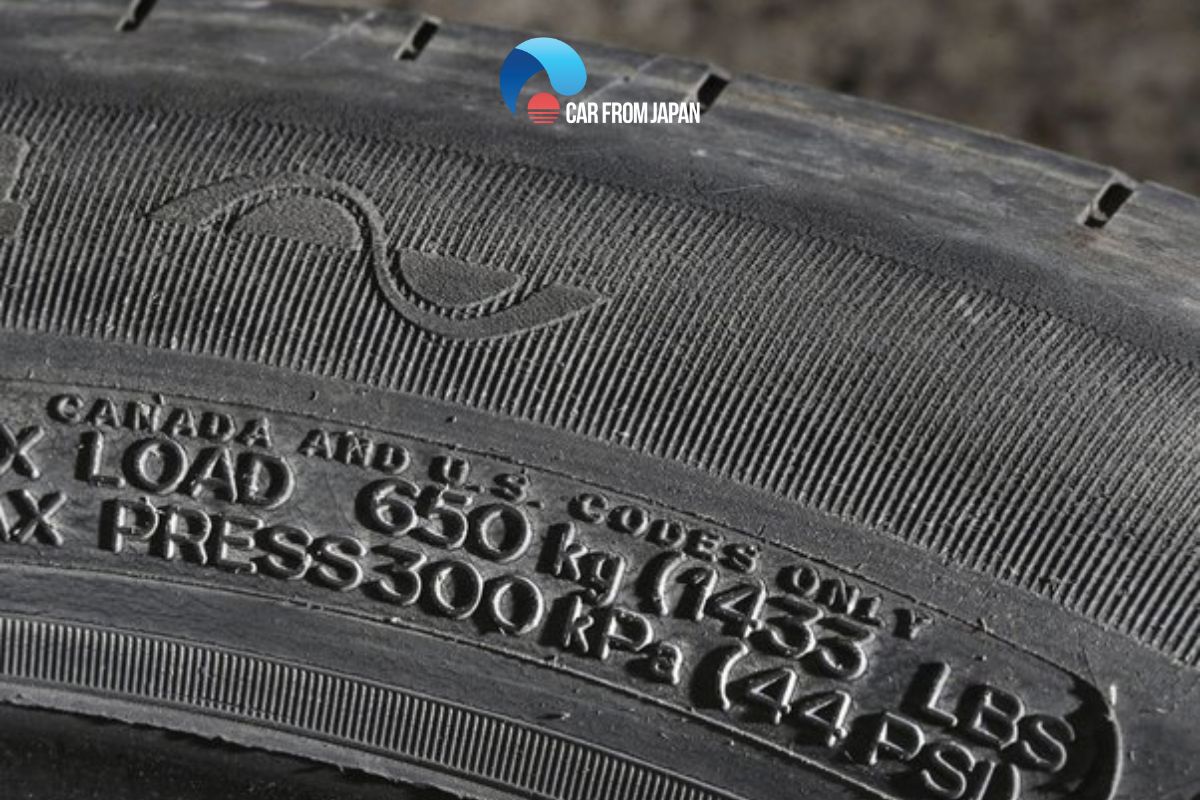
Tire makers give guidelines for the right PSI on the tire sidewall. This shows the maximum pressure the tire can handle.
Do not use the sidewall number as the recommended PSI. Always follow your car maker’s advice for safety and performance.
Factors Affecting Tire Pressure
Tire pressure is important for safe driving and good fuel economy. Different factors can change the right pressure for your car tires.
Knowing these factors helps you keep your tires at the best pressure level. This improves tire life and your car’s performance.
Load And Passenger Weight
The weight inside your car affects tire pressure. More passengers or heavy cargo add extra load to the tires.
When the car is heavier, tires need more air pressure to support the weight safely. Low pressure can cause tire wear and poor handling.
- Check your vehicle’s manual for the correct pressure with full load.
- Adjust tire pressure before long trips with many passengers.
- Do not overload your car beyond its recommended weight.
Temperature Variations
Tire pressure changes with outside temperature. Cold air makes the pressure drop, while heat increases it.
Check your tire pressure more often during seasons with big temperature changes. Proper pressure keeps your tires safe and efficient.
- Check tire pressure in the morning before driving.
- Add air in cold weather to keep the right PSI.
- Release some air in very hot conditions if pressure is too high.
Driving Conditions
Different driving conditions need different tire pressures. Rough roads or fast driving can affect how tires perform.
Adjusting tire pressure based on where and how you drive helps avoid damage and improves control.
- Lower pressure can help on soft surfaces like sand or snow.
- Higher pressure works better for smooth highways and fast speeds.
- Check tire pressure if you often drive on rough or uneven roads.

Credit: www.cars24.com
Tools To Measure Tire Pressure
Knowing the right tire pressure is important for your car’s safety and performance. You need tools to check how much air is in your tires.
There are different tools you can use. Some are simple and manual, while others are digital or built into the car.
Using A Tire Pressure Gauge
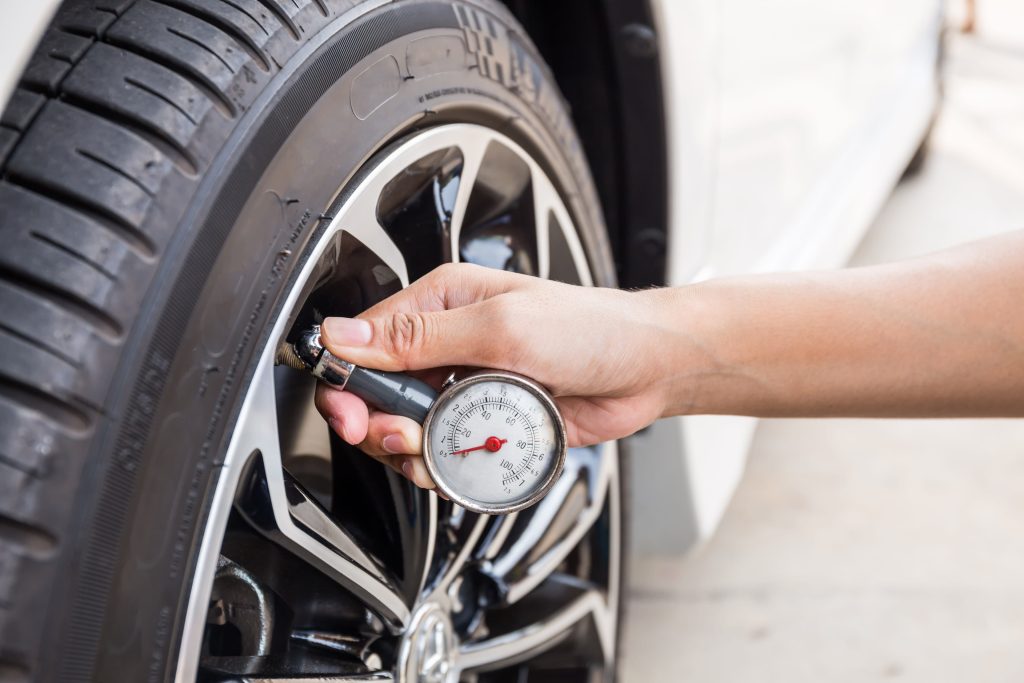
A tire pressure gauge is a small tool that shows the air pressure inside your tire. You press it on the tire valve to get a reading.
It is easy to carry and use. Make sure to check your tires when they are cold for the best reading.
Digital Vs. Analog Gauges
Digital gauges show tire pressure on a small screen. They are easy to read and often more accurate.
Analog gauges use a needle and dial to show pressure. They do not need batteries and are simple to use.
- Digital gauges are quick and clear
- Analog gauges are durable and battery-free
- Both types give accurate tire pressure readings
Built-in Tire Pressure Monitoring Systems
Many cars have built-in tire pressure monitoring systems (TPMS). These use sensors inside the tires to track pressure.
The system alerts you on the dashboard if your tire pressure is too low. This helps keep your tires safe without manual checks.
How To Check And Adjust Psi
Maintaining the correct tire pressure is key for safe driving. It helps your tires last longer and improves fuel efficiency.
You can check and adjust your car tires’ PSI at home with simple tools. Follow these steps to keep your tires in good shape.
When To Check Tire Pressure
Check your tire pressure at least once a month. Do it before driving, when tires are cold, for an accurate reading.
Also check after long trips or when carrying extra weight. Cold weather can lower tire pressure, so check more often in winter.
Step-by-step Pressure Checking
- Remove the valve cap from the tire.
- Press a tire pressure gauge onto the valve stem firmly.
- Read the pressure on the gauge display.
- Compare the reading with the recommended PSI on your car’s door sticker or manual.
- Repeat for all tires, including the spare if you have one.
Adding Or Releasing Air
If the tire pressure is too low, add air using an air compressor. If it is too high, press the valve stem to release air slowly.
| Condition | Action |
| PSI below recommended | Add air to reach the right pressure |
| PSI above recommended | Release air until correct pressure |
| PSI at recommended level | Replace valve cap and check next tire |

Credit: www.reddit.com
Signs Of Incorrect Tire Pressure
Correct tire pressure keeps your car safe and efficient. Tires with wrong pressure cause problems. You should learn the signs to check if your tires need air.
Knowing these signs helps you avoid accidents and expensive repairs. Watch for changes in how your car drives and looks.
Handling And Performance Issues
Low or high tire pressure affects how your car handles. You may feel the car pulling to one side or the steering getting harder. Braking distances can increase, making stops unsafe.
- Car drifts or pulls when driving straight
- Steering feels loose or stiff
- Car vibrates or shakes at high speeds
- Reduced fuel efficiency
- Longer stopping distance when braking
Visual Indicators
Look at your tires to spot pressure problems. Tires with low air look flat and bulge at the bottom. Overinflated tires appear very round and may have less contact with the road.
| Pressure Problem | Visual Sign |
| Underinflated | Bulging sidewalls, flat bottom |
| Overinflated | Rounded tread, less side contact |
| Correct Pressure | Even tread wear, firm shape |
Increased Risk Of Blowouts
Wrong tire pressure raises blowout risk. Too low pressure causes extra heat. Too high pressure makes tires brittle. Both lead to sudden tire failure.
Signs your tire may blow out soon:
- Cracks or cuts on tire sidewalls
- Uneven or rapid tread wear
- Frequent need to add air
- Visible tire deformities
- Unusual noises while driving
Maintaining Proper Tire Pressure
Keeping the right tire pressure helps your car run safely and smoothly. It also saves fuel and extends tire life.
Knowing the correct PSI for your tires is important. You can find this information in your car manual or on a sticker inside the driver’s door.
Regular Pressure Checks
Check your tire pressure at least once a month. Use a reliable tire pressure gauge for accuracy.
Measure the pressure when tires are cold. This means the car has been parked for a few hours or driven less than one mile.
- Remove the valve cap
- Press the gauge firmly on the valve
- Read the pressure on the gauge
- Adjust air as needed
- Replace the valve cap
Seasonal Adjustments
Tire pressure changes with the weather. Cold air lowers pressure and hot air raises it.
Check your tire pressure more often in winter and summer. Adjust the PSI to match the recommended level for your tires.
- In cold months, add air to keep pressure steady
- In hot months, release air if pressure is too high
- Always check before long trips
Professional Tire Maintenance
Have a professional inspect your tires regularly. They check for wear, damage, and alignment issues.
Tire experts can also balance and rotate your tires. This keeps pressure even and improves tire life.
- Inspect tires for cuts or bulges
- Check tread depth and wear patterns
- Rotate tires every 5,000 to 7,000 miles
- Balance tires to reduce vibration
Credit: carfromjapan.com
Frequently Asked Questions
What Is The Recommended Psi For Car Tires?
The recommended psi for car tires is usually found in the car’s manual. It’s also on the driver’s door jamb. Most passenger cars recommend 32-35 psi. Always check your vehicle’s specifications to ensure proper tire pressure.
How Does Tire Psi Affect Driving?
Proper tire psi ensures optimal vehicle handling and fuel efficiency. Low psi can lead to poor traction and increased tire wear. High psi might cause a rougher ride and reduced grip. Regularly checking psi improves safety and performance.
How Often Should I Check Tire Psi?
Check tire psi monthly and before long trips. Temperature changes can affect psi. Frequent checks help maintain optimal pressure and prolong tire life. Regular monitoring ensures safety and optimal performance.
Can Tire Psi Affect Fuel Efficiency?
Yes, incorrect tire psi can impact fuel efficiency. Under-inflated tires increase rolling resistance, reducing fuel economy. Maintaining correct psi helps improve mileage and reduces fuel costs. Proper psi also enhances vehicle safety and performance.
Conclusion
Knowing the right tire pressure keeps your car safe and efficient. Check the PSI on the tire sidewall or car door sticker. Use a reliable gauge to measure pressure when tires are cold. Adjust PSI according to the manufacturer’s recommendation for best results.
Proper tire pressure improves fuel economy and tire life. Don’t ignore signs of low or high pressure. Regular checks help avoid accidents and costly repairs. Keep your ride smooth and steady by maintaining correct tire PSI. Simple steps make driving safer and more comfortable every day.