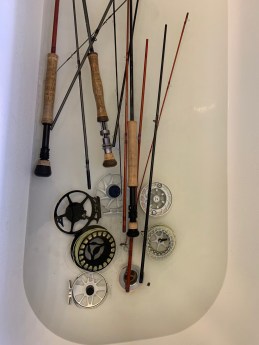
Your fishing rod is more than just gear—it’s your ticket to countless adventures and big catches. But if you don’t clean it properly, dirt, salt, and grime can build up, damaging your rod and ruining your next trip.
You might not realize how simple and quick it is to keep your rod in top shape. In this guide, you’ll learn easy steps to clean your fishing rods like a pro, protect your investment, and make every fishing experience better.
Keep reading, and discover how a little care can make a huge difference.

Credit: anglersresource.net
Gathering Cleaning Supplies
Cleaning your fishing rods keeps them in good shape. It helps prevent damage and extends their life.
Before you start, gather the right supplies. This makes cleaning easier and more effective.
Essential Tools And Materials
You need a few simple tools to clean your fishing rods well. These tools help remove dirt and grime.
- Soft cloths or microfiber towels for wiping
- Soft-bristle brushes to clean guides and reel seats
- Bucket or container to hold water
- Warm water for rinsing and cleaning
- Old toothbrush for hard-to-reach areas
- Plastic or wooden toothpicks for debris removal
- Protective gloves if you use chemicals
Choosing The Right Cleaning Agents
Select cleaning agents that are safe for your fishing rods. Harsh chemicals can damage rod materials.
Use mild soaps and cleaners made for fishing gear. These clean well without causing harm.
- Mild dish soap mixed with warm water
- Specialized fishing rod cleaners from tackle shops
- Isopropyl alcohol for removing sticky residues
- White vinegar diluted with water for rust spots
- Avoid bleach or strong solvents that damage rods

Credit: www.youtube.com
Preparing The Fishing Rod
Cleaning your fishing rod starts with proper preparation. This helps keep the rod in good condition and lasts longer.
Focus on two main tasks: removing the reel and inspecting the rod for any damage before you clean.
Removing The Reel
Take off the reel carefully to avoid damage. This also makes cleaning easier and more thorough.
- Loosen the reel seat by turning it counterclockwise.
- Hold the rod firmly while sliding the reel out.
- Place the reel on a soft surface to prevent scratches.
- Keep any screws or attachments in a safe place.
Inspecting For Damage
Check the rod carefully to find any cracks, bends, or loose guides. Fixing these early keeps the rod safe to use.
| Part | What to Check | Signs of Damage |
| Rod Blank | Surface and length | Cracks, deep scratches, or warping |
| Guides | Rings and frames | Loose rings, rust, or missing inserts |
| Handle | Grip and fittings | Worn grip, cracks in cork or foam |
Cleaning The Rod Blank
The rod blank is the main part of your fishing rod. Keeping it clean helps it last longer. Dirt and salt can cause damage if left on the surface.
Cleaning the rod blank is simple if you do it regularly. Use gentle methods to avoid scratching or harming the finish.
Wiping Down The Surface
Start by wiping the rod blank with a soft cloth. This removes dust and light dirt from the surface. Use a damp cloth with fresh water if needed.
- Use a microfiber or soft cotton cloth
- Moisten the cloth with clean water
- Wipe the blank gently from handle to tip
- Dry the rod with a dry cloth
Removing Stubborn Dirt And Salt
For tough dirt or salt, use mild soap and water. Avoid strong chemicals that can damage the rod’s finish. Rinse well to remove all soap.
| Cleaning Item | Use | Notes |
| Mild soap | Remove salt and grime | Choose gentle dish soap |
| Soft cloth | Apply cleaning solution | Avoid abrasive materials |
| Fresh water | Rinse after cleaning | Use clean, lukewarm water |
| Dry cloth | Dry the rod blank | Prevent water spots |
Cleaning Guides And Tips
Keeping your fishing rods clean helps them last longer and work better. Dirt and salt can damage the rod if not removed.
Use simple tools and check your rod carefully for any issues during cleaning. This guide shows easy ways to clean your fishing rods.
Using A Soft Brush
A soft brush removes dirt and grime without harming the rod’s finish. Use gentle strokes along the rod and guides.
- Choose a soft-bristled brush like a toothbrush
- Dip the brush in soapy water
- Clean the rod from handle to tip carefully
- Brush the guides and reel seat to clear debris
- Rinse with fresh water and dry with a cloth
Checking For Corrosion
Corrosion can weaken your fishing rod. Check metal parts after each use, especially if you fish in saltwater.
| Part | What to Look For | Cleaning Tip |
| Guides | Rust, rough spots | Wipe with oil and clean gently |
| Reel Seat | Corrosion, salt build-up | Use a soft cloth and mild cleaner |
| Ferrules | Discoloration, pitting | Rinse and dry thoroughly |
Maintaining The Reel Seat
The reel seat is an important part of your fishing rod. It holds the reel firmly in place. Keeping it clean and well-maintained helps your rod last longer and work better.
Salt, dirt, and moisture can build up on the reel seat. This buildup can cause parts to stick or corrode. Regular care stops damage and keeps your fishing smooth.
Cleaning Threads And Locks
Threads and locks on the reel seat need special attention. Dirt and salt can get trapped in the grooves. Clean these parts gently to avoid damage.
- Use a soft brush to remove dirt from threads.
- Wipe with a damp cloth to clear salt and grime.
- Dry the threads completely to prevent rust.
- Inspect for any cracks or wear in the locking mechanism.
- Do not use harsh chemicals that can damage the finish.
Lubricating Moving Parts
Lubrication keeps the reel seat’s moving parts working smoothly. It reduces friction and stops parts from wearing out too fast. Use the right oil or grease for the job.
| Part | Recommended Lubricant | Application Tips |
|---|---|---|
| Threaded Lock | Light machine oil | Apply a small drop, then turn to spread evenly |
| Locking Nut | Grease | Use sparingly to avoid attracting dirt |
| Reel Seat Ring | Silicone-based lubricant | Wipe off excess after applying |
Drying And Storing The Rod
Cleaning your fishing rod is only part of the process. Drying and storing it correctly helps keep it in good shape. This guide covers the best ways to dry and store your rod after use.
Proper care extends the life of your fishing gear. Follow these steps to avoid damage and rust.
Proper Drying Techniques
Dry your fishing rod soon after fishing. This stops water from causing rust or mold. Use these tips for the best results.
- Wipe the rod gently with a soft cloth to remove water.
- Pay attention to guides and reel seat areas.
- Allow the rod to air dry in a shaded, well-ventilated place.
- Do not leave the rod in direct sunlight for long periods.
- Make sure the rod is completely dry before storing it.
Best Storage Practices
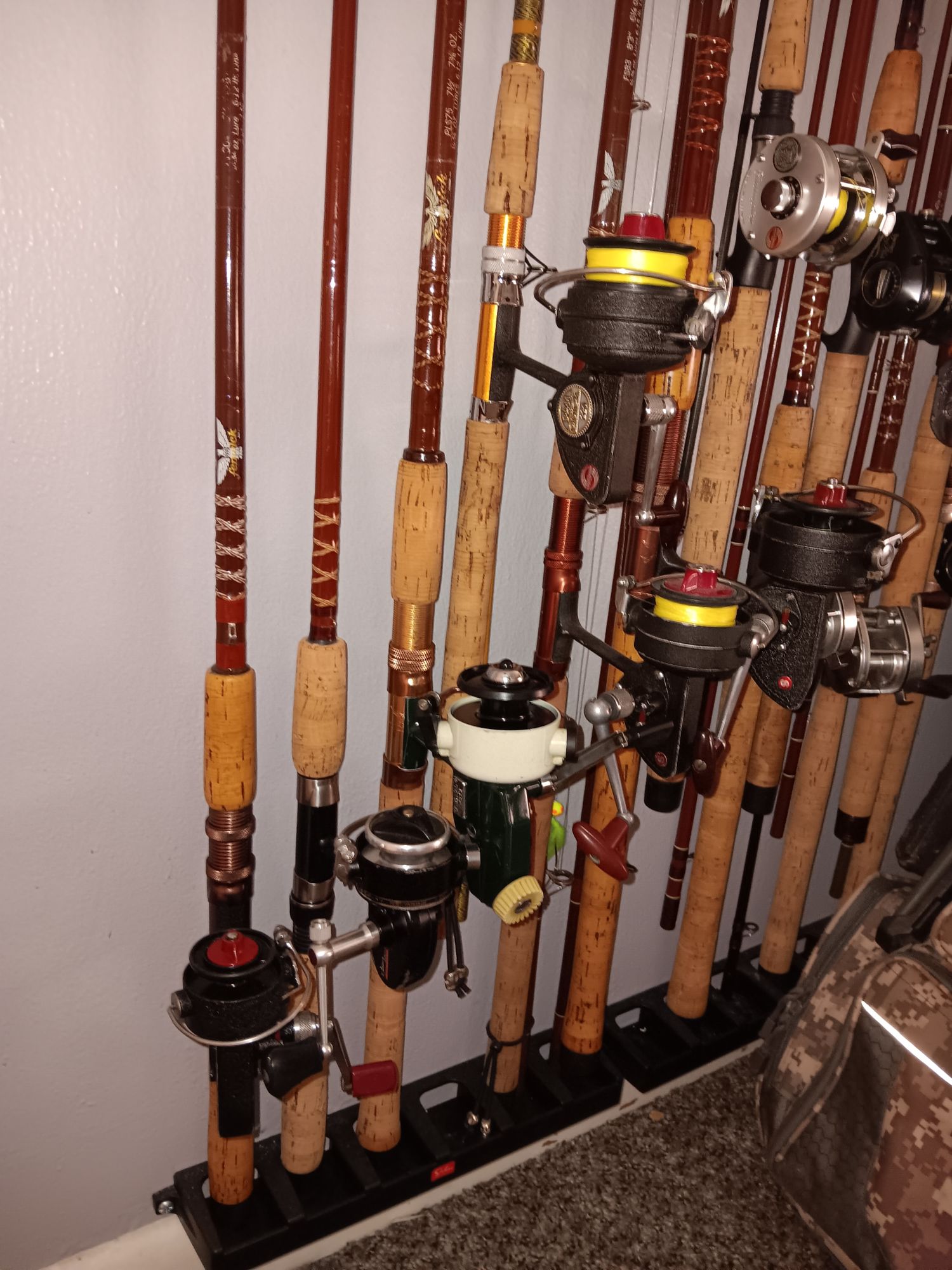
Storing your rod properly keeps it safe from damage and wear. Use the right methods to keep your rod straight and dry.
| Storage Tip | Reason |
|---|---|
| Store the rod vertically or horizontally on a rack | Prevents bending or warping |
| Keep the rod in a cool, dry place | Avoids moisture buildup and rust |
| Use rod socks or cases | Protects from dust and scratches |
| Remove the reel if storing long term | Prevents pressure on the rod and reel seat |
| Check the rod regularly for damage | Fix problems early before they worsen |
Regular Maintenance Tips
Keeping your fishing rods clean helps them last longer. Dirt, salt, and grime can damage your rods if you do not clean them often.
Regular maintenance keeps your gear working well for every fishing trip. Small efforts can prevent big problems.
Frequency Of Cleaning
Clean your fishing rods after every trip. Saltwater rods need extra care because salt can cause rust fast.
- Rinse rods with fresh water after use.
- Wipe rods dry with a soft cloth.
- Deep clean rods monthly or after heavy use.
- Inspect guides and reel seats during cleaning.
Preventing Common Damage
Damage to rods often comes from neglect. Dirt buildup, rust, and cracks reduce rod strength.
| Common Damage | Prevention Tip |
| Rust on guides | Dry rods fully; use light oil on metal parts |
| Cracks in rod blank | Store rods carefully; avoid bending or dropping |
| Loose reel seat | Tighten reel seat regularly; check before trips |
| Corrosion from salt | Rinse rods with fresh water after saltwater use |
Credit: www.pennfishing.com
Frequently Asked Questions
How Often Should I Clean My Fishing Rod?
Cleaning your fishing rod after each trip is ideal. This prevents salt, dirt, and grime buildup. Regular maintenance ensures longevity and optimal performance. A quick rinse with fresh water and a gentle wipe-down can suffice. For thorough cleaning, use mild soap and a soft cloth.
What Materials Do I Need To Clean Rods?
You need mild soap, fresh water, and a soft cloth. A gentle brush helps in cleaning hard-to-reach areas. For stubborn grime, a non-abrasive cleaner is useful. Lubricating oil is essential for reel maintenance. Avoid harsh chemicals that can damage your rod’s finish.
Can I Use Household Cleaners On Rods?
Avoid using harsh household cleaners on rods. They can damage the rod’s finish and components. Stick to mild soap and water for cleaning. Non-abrasive cleaners are suitable for tough stains. Always rinse thoroughly to remove any residue and prevent corrosion.
How Do I Dry My Fishing Rod?
After cleaning, wipe the rod with a soft, dry cloth. Ensure all components are moisture-free. Air drying is also effective, but avoid direct sunlight. Proper drying prevents rust and prolongs the rod’s lifespan. Store the rod in a cool, dry place.
Conclusion
Cleaning fishing rods keeps them working well and lasting longer. Regular care stops dirt and salt from causing damage. Use gentle tools and mild soap for best results. Dry rods fully before storing to avoid rust and mold. Simple steps save money by preventing costly repairs.
Take time after each trip to clean your gear. Your fishing trips will be more enjoyable with well-kept rods. Easy maintenance leads to better fishing experiences every time. Keep your rods clean, and they will serve you well.