Have you ever experienced that unsettling moment when your car won’t start and you suspect it might be the battery? It’s a frustrating situation, especially when you’re unsure if the repair costs will come out of your pocket or be covered under your car warranty.
You might be wondering, “Is the battery covered under my car warranty? ” Understanding what your warranty includes can save you unexpected expenses and provide peace of mind. We’ll delve into the specifics of car warranties and what they mean for your battery coverage.
By the end, you’ll have a clear picture of your warranty’s power to protect your wallet. Stick with us, and let’s unravel the mystery of car battery warranties together.
Credit: autopartia.com
Car Warranty Basics
Car warranties protect buyers from repair costs. They cover parts and labor for a set time.
Understanding what is covered helps you avoid surprises. Warranties differ by car and dealer.
Types Of Car Warranties
There are several types of car warranties. Each covers different parts and time periods.
- Bumper-to-Bumper Warranty: Covers most parts except wear items like brake pads.
- Powertrain Warranty: Covers engine, transmission, and drivetrain components.
- Corrosion Warranty: Covers rust or corrosion damage to the car body.
- Emissions Warranty: Covers parts related to pollution control systems.
- Extended Warranty: Optional coverage after the original warranty expires.
What Components Are Typically Covered
Warranties cover many car parts but exclude some wear and maintenance items.
| Component | Usually Covered |
| Engine | Yes |
| Transmission | Yes |
| Battery | Depends on Warranty Type |
| Brake Pads | No |
| Tires | No |
| Electrical System | Partially |

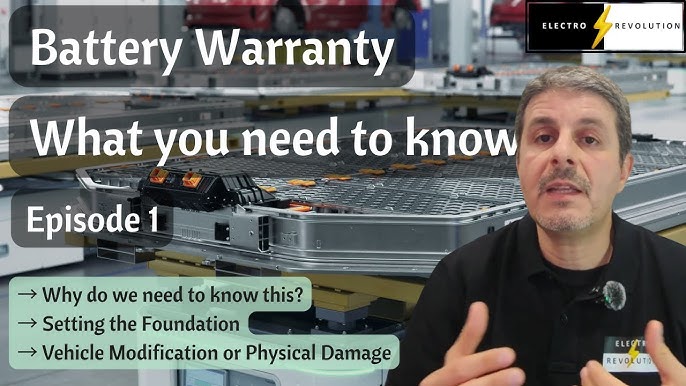
Credit: www.youtube.com
Battery Coverage Details
Car batteries may or may not be covered under a car warranty. Coverage depends on the type of warranty and the battery itself. Understanding battery coverage helps car owners avoid unexpected costs.
This guide explains standard warranty terms, extended warranties, and electric vehicle battery coverage.
Standard Warranty Battery Terms
Most car warranties cover the battery for a limited time. This period usually lasts from 12 to 36 months. Coverage often applies only if the battery fails due to defects.
Wear and tear or damage from misuse is usually not covered. Some warranties require proof of regular maintenance to keep battery coverage valid.
- Coverage period: 12 to 36 months
- Only defects are covered
- Wear and tear not covered
- Maintenance proof may be required
Extended Battery Warranties
Extended warranties can add extra battery coverage beyond the standard period. These plans often cover more types of battery problems.
Costs and terms vary by provider. Extended warranties may also include roadside assistance or battery replacement services.
- Extends coverage beyond standard warranty
- Covers more battery issues
- Costs vary by provider
- May include extra services
Electric Vehicle Battery Coverage
Electric vehicle batteries have special warranty terms. These batteries usually have longer coverage periods, often 8 years or more.
Coverage often protects against battery capacity loss below a certain level. Some warranties also cover repairs for battery defects.
- Longer warranty periods (8+ years)
- Covers battery capacity loss
- Includes defect repairs
- Specific to electric vehicles
Common Warranty Exclusions
Car warranties cover many parts but often exclude some items. Batteries are a common concern for many owners. It helps to know when a battery is not covered under warranty.
Most warranties have clear rules about what they cover and what they do not. Understanding these exclusions can save you money and trouble.
Wear And Tear Issues
Batteries naturally wear out over time. This wear and tear is often excluded from warranties. The warranty usually covers defects but not normal aging or use.
- Batteries lose charge after long use.
- Corrosion on terminals happens with time.
- Capacity reduces with many charging cycles.
- These are not covered under most warranties.
Improper Maintenance
Car batteries need proper care to last longer. Neglect or wrong handling can void the warranty. This includes not checking battery fluid or keeping terminals clean.
| Maintenance Issue | Effect on Warranty |
| Not cleaning battery terminals | May void warranty |
| Using wrong charger | Warranty not valid |
| Failing to check battery fluid | Coverage denied |
| Ignoring warning signs | Warranty exclusion |
Aftermarket Battery Replacements
Using a battery not supplied by the car maker can affect warranty coverage. Many warranties exclude batteries replaced with aftermarket parts.
- Original batteries meet specific standards.
- Aftermarket batteries may not fit or work well.
- Warranty claims may be denied if an aftermarket battery causes damage.
How To Check Your Warranty
Knowing if your car battery is covered under warranty can save you money. Checking your warranty helps you understand what repairs or replacements are included.
This guide shows how to check your warranty and what to look for in the documents or from the dealer.
Reading The Warranty Document
Start by reading the warranty booklet or documents that came with your car. Look for sections about the battery or electrical system coverage.
- Find the warranty period for the battery
- Check if the battery has a separate warranty
- Read any terms about what causes are covered
- Note any maintenance requirements to keep coverage valid
Contacting The Manufacturer Or Dealer
If the document is unclear, call the dealer or manufacturer. They can explain your warranty details and confirm battery coverage.
| Contact | Information Needed | What They Provide |
| Dealer | Car VIN, purchase date | Warranty status, battery coverage |
| Manufacturer | Vehicle model, serial number | Official warranty terms, claim process |
Claims Process For Battery Repairs
Car batteries sometimes fail before the warranty ends. Knowing how to claim repairs can save time and money. This guide explains the key steps in the claims process for battery repairs under car warranty.
Understanding the process helps car owners prepare the right documents and know what to expect at each stage.
Filing A Warranty Claim
To file a claim, first gather your car’s warranty documents and purchase receipt. Contact your car dealer or the warranty provider to start the claim. They will ask for details about the battery issue and your vehicle.
- Check your warranty terms for battery coverage.
- Collect proof of purchase and warranty papers.
- Contact the dealer or warranty company.
- Describe the battery problem clearly.
- Follow their instructions for claim submission.
What To Expect During Inspection
After filing a claim, the dealer or service center will inspect your battery. They check for defects or damage caused by normal use. The inspection ensures your battery issue fits the warranty coverage.
| Inspection Step | Details |
| Visual Check | Look for physical damage or corrosion |
| Performance Test | Measure battery voltage and charge |
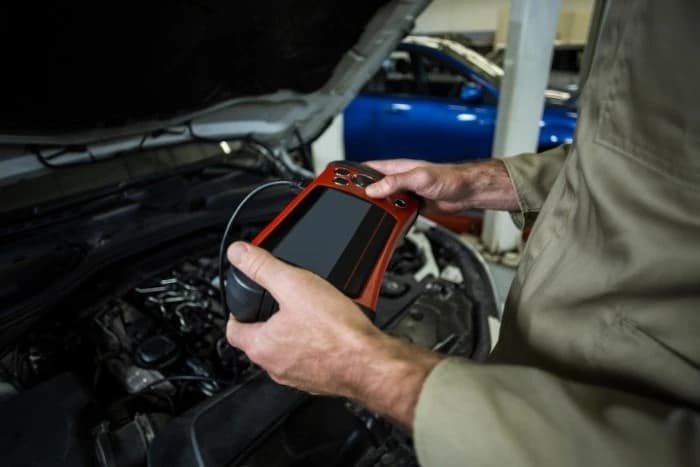
| Diagnostic Scan | Use tools to find hidden faults |
| Verification | Confirm if issue is covered by warranty |
Possible Outcomes And Costs
Once inspected, the service center will decide if repair or replacement is covered. If covered, you pay no charge. If not, you may pay for repairs or a new battery. Some warranties cover parts but not labor.
- Claim approved: Free repair or replacement.
- Claim denied: Battery damage not covered.
- Partial coverage: You pay some costs.
- Out-of-warranty: Full payment required.

Credit: www.reddit.com
Tips To Extend Battery Life
Car batteries often wear out faster than expected. Taking good care of your battery can help it last longer.
Simple habits and regular checks keep your battery healthy and save money on replacements.
Regular Maintenance Practices
Check your battery terminals for corrosion. Clean them if you see white or green buildup. Secure cables tightly to avoid loose connections.
- Inspect battery fluid level monthly if applicable
- Keep the battery case clean and dry
- Test battery voltage with a multimeter every few months
- Replace old or damaged cables promptly
Avoiding Battery Drain
Leaving lights or electronics on can drain your battery quickly. Turn off all devices before you exit the car.
| Cause | Effect on Battery |
| Headlights left on | Battery drain in few hours |
| Car alarm active for days | Slow battery drain |
| Short trips under 10 minutes | Battery not fully charged |
Climate Considerations
Extreme heat or cold can reduce battery life. Protect the battery from harsh weather when possible.
- Park in shaded or covered areas during hot weather
- Use a battery insulation kit in winter
- Start the car regularly in cold months to keep battery charged
Alternative Battery Protection Options
Car warranties often do not cover battery problems. Batteries wear out over time and need care. You can protect your car battery in other ways.
There are several options to keep your battery safe. These include third-party plans, battery insurance, and roadside help.
Third-party Warranty Plans
Third-party warranties cover parts not included in the car’s original warranty. They may include battery coverage. These plans vary in length and cost.
Check what the plan covers before buying. Some plans cover battery replacement and repairs. Others only cover certain battery issues.
- May cover battery damage or failure
- Usually paid separately from car warranty
- Can extend coverage after the car warranty ends
- Check terms to know battery limits
Battery Insurance
Battery insurance is a special policy for your car battery. It helps pay for battery repairs or replacement. This insurance works like other types of coverage.
Battery insurance can be bought alone or with other car insurance. It may cover accidents, malfunctions, or early battery failure.
- Covers battery replacement costs
- May include installation fees
- Protects from unexpected battery failures
- Check if your car battery is eligible
Roadside Assistance Programs
Roadside assistance helps if your car battery dies while driving. Many programs offer jump-start services. Some also replace the battery on the spot.
These programs come with memberships or car insurance. They offer peace of mind for battery issues and other emergencies on the road.
- Provides jump-start for dead batteries
- May offer battery replacement on location
- Often includes towing and other help
- Available through insurance or separate services
Frequently Asked Questions
Is A Car Battery Usually Covered Under Warranty?
Most new car batteries are covered under the vehicle’s limited warranty. Coverage duration varies, often lasting 12 to 36 months. Check your specific warranty terms for exact details to avoid unexpected replacement costs.
How Long Does Car Battery Warranty Typically Last?
Car battery warranties typically range from 12 to 36 months. Some manufacturers offer prorated coverage beyond the full warranty period. Always review your warranty booklet to understand the exact time frame and conditions.
What Factors Affect Battery Warranty Coverage?
Battery warranty coverage depends on the manufacturer, battery type, and vehicle model. Proper maintenance and usage also influence warranty validity. Damage from misuse or accidents is generally not covered.
Can I Claim Battery Replacement Under Warranty?
Yes, if your battery fails within the warranty period due to manufacturing defects. Normal wear or damage from external factors usually isn’t covered. Always provide proof of purchase when filing a claim.
Conclusion
Car warranties often cover the battery, but not always. Check your warranty terms carefully before buying. Some warranties cover only defects, not wear or damage. Battery life depends on use, weather, and care. Keep your battery clean and check it regularly.
Knowing your coverage can save money and stress. Ask your dealer about battery warranty details. Being informed helps you avoid unexpected costs. Stay proactive to keep your car running smoothly.