Have you ever noticed your air conditioner turning on and off repeatedly and wondered why it happens? It’s more than just a quirk—it could be a sign that something in your cooling system isn’t working right.
Understanding why your air conditioner behaves this way can save you from discomfort and unexpected repair bills. You’ll discover the common reasons behind this issue and learn simple steps to fix it. Keep reading to make sure your AC runs smoothly and keeps your home comfortable all year round.

Credit: www.youtube.com
Common Causes Of Cycling
Air conditioners turn on and off frequently. This is called cycling. Short cycling can harm your AC and increase energy bills.
Many reasons cause cycling. Some problems are easy to fix. Knowing the causes helps keep your AC running well.
Thermostat Settings And Placement
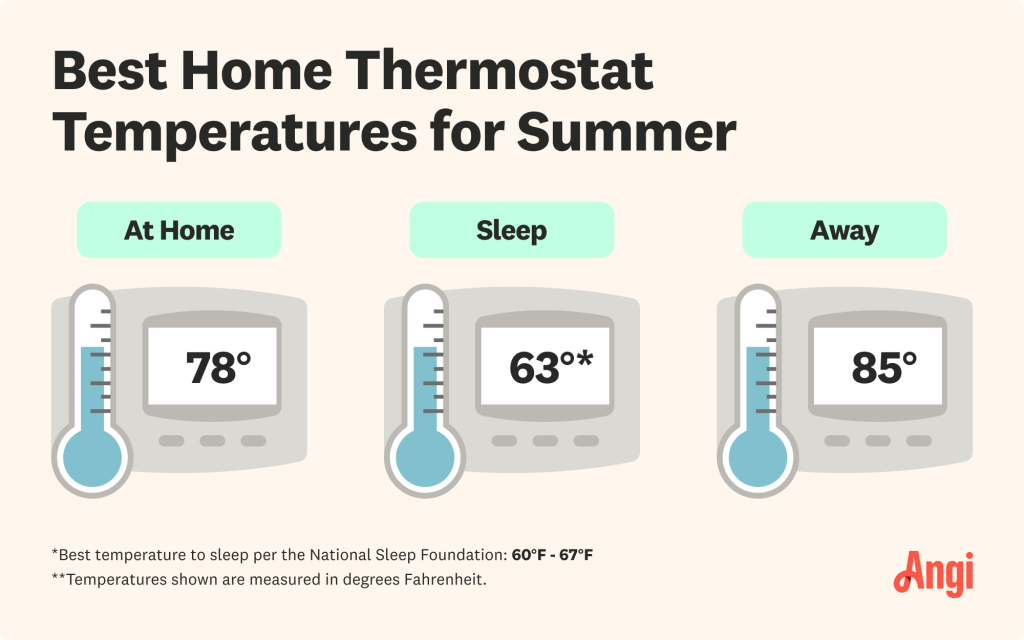
Incorrect thermostat settings can make the AC cycle too much. Setting the temperature too close to room temperature causes short cycles.
Thermostat placement matters. If it is near heat sources or direct sunlight, it reads wrong temperatures. This makes the AC turn on and off often.
- Set thermostat 2-3 degrees below room temperature
- Place thermostat away from windows and heat sources
- Keep thermostat at normal height on an inside wall
Dirty Air Filters
Dirty air filters block airflow. This causes the AC to work harder and cycle frequently. Poor airflow can also freeze parts of the AC.
Changing or cleaning air filters regularly helps the AC run smoothly. Clean filters improve cooling and reduce cycling.
- Check filters every month during high use
- Replace filters every 1-3 months
- Use filters recommended by the AC manufacturer
Refrigerant Levels
Low refrigerant levels cause the AC to cycle on and off. The system cannot cool properly and stops to protect itself.
Leaks or undercharging reduce refrigerant. A technician needs to check and refill it safely to prevent damage.
- Signs of low refrigerant: poor cooling, ice on coils
- Do not add refrigerant yourself
- Hire a professional for refrigerant checks and repairs
Electrical Issues
Electrical problems can cause the AC to turn on and off suddenly. Faulty wiring or failing capacitors affect the compressor and fan.
These issues need quick repair. Ignoring electrical faults can damage the AC and create safety risks.
- Look for flickering lights or buzzing sounds
- Check circuit breakers and fuses
- Call a licensed electrician or HVAC technician for repairs
Impact Of Short Cycling
Short cycling happens when an air conditioner turns on and off too often. This pattern can cause many problems. It stops the system from working well.
Understanding short cycling helps you keep your AC running longer. It also saves energy and keeps your home comfortable.
Energy Consumption
Short cycling causes your air conditioner to use more energy. Turning on and off uses more power than running steadily. This raises your electric bills.
Frequent starts make the compressor work harder. The compressor draws a lot of electricity during startup.
- More starts increase power use
- AC runs less efficiently
- Higher energy bills
Wear And Tear On Components
Short cycling puts stress on AC parts. The compressor and fan turn on and off many times. This causes faster wear and damage.
Parts may break earlier, needing repairs or replacement. This raises maintenance costs and reduces the system’s life.
- Compressor gets stressed
- Fan motor wears out faster
- More frequent repairs
- Shorter AC lifespan
Comfort Levels
Short cycling can make your home less comfortable. The AC may not cool the space evenly. Rooms may feel too hot or too cold.
The system does not run long enough to remove humidity well. This can make the air feel damp and sticky.
- Uneven cooling
- Poor humidity control
- Temperature swings
Troubleshooting Steps
Air conditioners that turn on and off often cause discomfort. This issue is called short cycling. It wastes energy and can damage the unit. You can fix many problems with simple checks.
Follow these steps to find the cause. Start with easy checks before calling a technician. These tips help you keep your air conditioner running smoothly.
Checking The Thermostat
The thermostat controls when the air conditioner turns on and off. If it is faulty, the unit may cycle too often. Check the temperature setting first. Make sure it is set lower than the room temperature.
Inspect the thermostat for dust or damage. Clean it gently if needed. Replace batteries if it uses them. If the thermostat is old or broken, consider replacing it to avoid problems.
Inspecting Air Filters
Dirty air filters block airflow and cause the air conditioner to work harder. This can make it turn on and off more often. Check the filter monthly during use. If it looks dusty or clogged, replace it.
Clean filters improve air flow and system efficiency. This helps the air conditioner run longer without short cycling. Use filters recommended by your unit’s manufacturer.
Examining Refrigerant Charge
Refrigerant helps cool the air. If the charge is low, the unit may short cycle. Low refrigerant causes the system to overheat and shut off early. You can check for leaks around the unit.
Only a certified technician should handle refrigerant. They can measure the charge and refill it safely. Fix leaks before adding refrigerant to avoid repeated problems.
Evaluating Electrical Connections
Loose or damaged electrical connections can cause the air conditioner to turn on and off unexpectedly. Turn off power before inspecting wires. Look for loose screws or signs of wear.
If you find damaged wires, call a professional electrician. Good connections ensure stable power and prevent short cycling. Regular checks help avoid electrical problems.

Credit: sewellelectric.com
When To Call A Professional
Your air conditioner turning on and off often can signal issues. Sometimes you can fix small problems yourself. Other times, you need a professional’s help.
Knowing when to call a technician can save you time and money. It can also keep your system safe and working well.
Persistent Cycling Problems
If your air conditioner turns on and off too often, it may have a cycling problem. This can cause the unit to wear out faster. It also wastes energy and raises your bills.
Short cycling can mean the thermostat is broken or the system is too large for your home. A technician can find the cause and fix it properly.
Signs Of Refrigerant Leaks
Refrigerant leaks cause your AC to cycle on and off because the system loses cooling power. You might notice warm air or ice on the coils. Low refrigerant can also make the compressor work harder.
Only a professional can find and repair leaks safely. They can recharge your system with the right amount of refrigerant.
Electrical Safety Concerns
Frequent on-and-off cycling can be due to electrical problems. Faulty wiring or a bad capacitor can cause unsafe conditions. Sparks or burning smells are serious warning signs.
Do not try to fix electrical issues yourself. Call a professional to check the wiring and parts. This prevents fire risks and damage to your AC.
Preventive Maintenance Tips
Air conditioners often turn on and off to keep your home comfortable. This cycling can happen more if the unit needs care. Regular maintenance helps the system run smoothly.
Following some simple tips can reduce frequent turning on and off. This keeps the air conditioner working well and saves energy.
Regular Filter Replacement
Dirty air filters block airflow. This makes the air conditioner work harder and cycle more often. Change filters every 1 to 3 months. This keeps air clean and the system efficient.
- Check filters monthly during heavy use
- Replace filters if they look clogged or dusty
- Use the filter size recommended by the manufacturer
- Consider high-efficiency filters for better air quality
Routine System Inspections
Inspecting your air conditioner regularly finds small issues early. This prevents frequent on/off cycling caused by system problems. Hire a technician or check these parts yourself.
| System Part | What to Check |
|---|---|
| Coils | Clean and free from dirt |
| Refrigerant | Proper level, no leaks |
| Electrical Connections | Secure and not damaged |
| Drain Lines | Clear and draining well |
Proper Thermostat Use
Thermostat settings affect how often the air conditioner cycles. Using it correctly helps maintain steady temperatures without too many starts and stops.
Follow these thermostat tips:
- Set a comfortable temperature and avoid frequent changes
- Use programmable thermostats to manage schedules
- Keep the thermostat away from heat sources or direct sunlight
- Replace batteries regularly if your thermostat is battery powered

Credit: www.russettsouthwest.com
Frequently Asked Questions
Why Does My Air Conditioner Keep Turning On And Off?
Your air conditioner cycles on and off to maintain the set temperature. Short cycling may indicate issues like a dirty filter, low refrigerant, or thermostat problems. Regular maintenance helps prevent frequent cycling and ensures efficient cooling.
Is Short Cycling Harmful For My Air Conditioner?
Yes, short cycling can damage your air conditioner. It causes excessive wear on components and increases energy consumption. Fixing underlying issues like airflow or refrigerant levels can prevent damage and improve system lifespan.
How Can I Stop My Ac From Turning On And Off Frequently?
To reduce frequent cycling, clean or replace air filters regularly. Ensure proper thermostat settings and check for refrigerant leaks. Scheduling professional maintenance helps identify and fix problems early, keeping your AC running smoothly.
Does Thermostat Placement Affect Ac Turning On And Off?
Yes, thermostat placement affects AC cycling. If placed near heat sources or direct sunlight, it can cause inaccurate temperature readings. This leads to frequent on/off cycles. Position your thermostat in a shaded, central location for better performance.
Conclusion
Air conditioners turn on and off to keep your home cool and comfortable. This cycling helps save energy and prevents the system from wearing out quickly. Sometimes, the unit switches frequently due to issues like dirty filters or wrong thermostat settings.
Regular maintenance can fix most problems and keep your AC running smoothly. Understanding why your air conditioner cycles helps you spot problems early. Keep your system clean and check settings often. This simple care ensures a cool home without extra costs or worries.