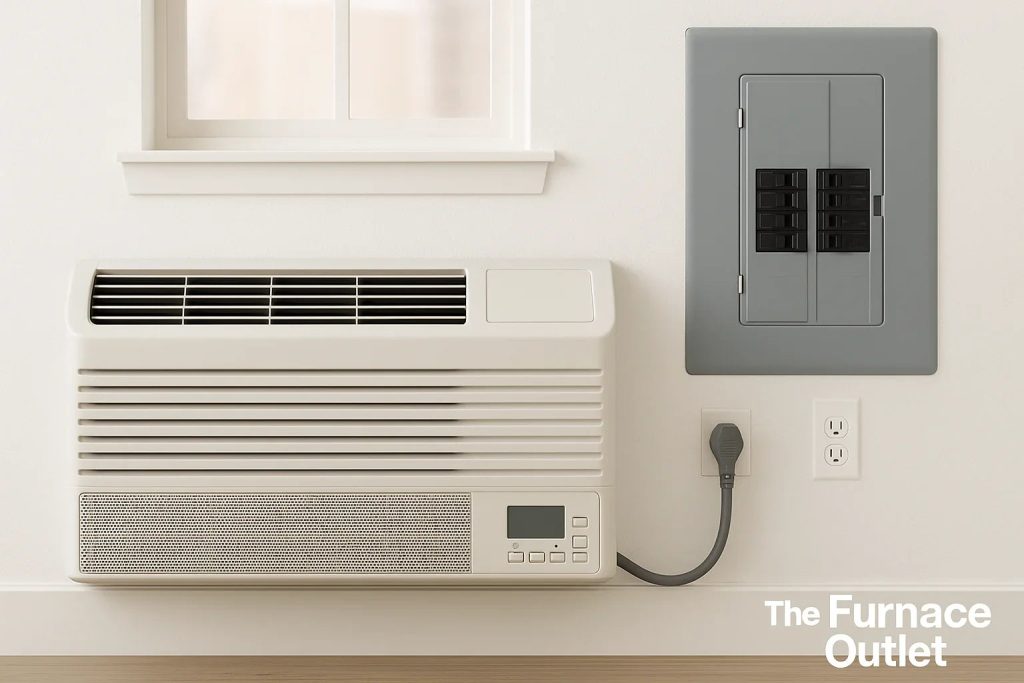
Are you wondering if you can install a window air conditioner right into your wall? It’s a question many homeowners ask when they want to cool a room without dealing with tricky window setups.
Imagine having your AC unit fit perfectly and work just as well, but without blocking your window or messing with your view. You’ll discover whether this idea is possible, what you need to consider, and how to do it safely.
Keep reading to find out how you can make your space cooler and more comfortable with a smart solution tailored for your home.
Feasibility Of Wall Installation
Window air conditioners are made to fit in window frames. Wall units require a special sleeve for proper installation. Walls must be thick enough to hold the unit safely. Cutting a hole in the wall can be tricky and may need extra support.
| Feature | Window Unit | Wall Unit |
|---|---|---|
| Installation | Easier, fits existing window | Needs wall opening and sleeve |
| Support | Window frame support | Wall studs needed for strength |
| Sealing | Seals around window | Seals inside wall sleeve |
| Ventilation | Outside air flows freely | Needs clear outside access |
- The wall must be strong, usually wood or brick.
- The hole size must match the air conditioner.
- Proper sealing stops air leaks and water damage.
- Use a support bracket if the wall is weak.
- Check if local rules allow wall installation.

Credit: thefurnaceoutlet.com
Choosing The Right Air Conditioner
Choosing the right air conditioner depends on size and capacity. A unit too small won’t cool well. A unit too large wastes energy and money.
Measure your room’s square footage first. Match the air conditioner’s BTU ratingto the room size for best results.
| Room Size (sq ft) | BTU Capacity |
|---|---|
| 100-150 | 5,000-6,000 |
| 150-250 | 6,000-8,000 |
| 250-350 | 8,000-10,000 |
Energy efficiency ratingsshow how well an air conditioner uses electricity. Look for models with a high EERor SEER. They save money on bills and reduce energy use.
Preparing The Wall Space
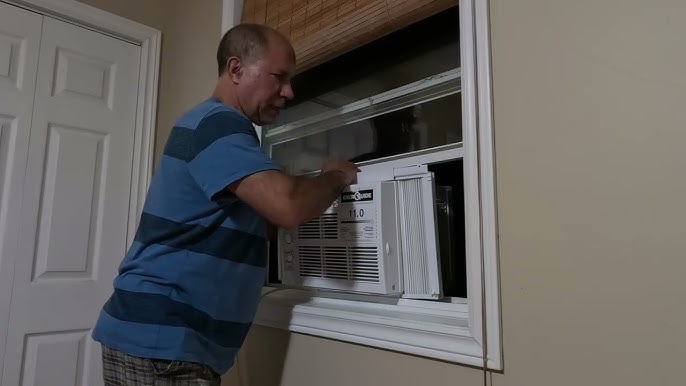
Measure the wall space carefully to fit the air conditioner. Use a tape measure to get the width and height. Mark the spot clearly with a pencil or tape to guide your cutting. Double-check the measurements before cutting to avoid mistakes.
Cut the opening with care to protect the wall and your safety. Use a saw suitable for the wall material, like a drywall saw for drywall or a jigsaw for wood. Wear safety goggles and gloves during cutting to prevent injury. Cut slowly and steadily along the marked lines.
Credit: www.youtube.com
Installation Process
Secure the air conditioner firmly in the wall opening to prevent movement. Use strong brackets or supports to hold the unit steady. Tighten all screws and bolts to keep the unit from shifting.
Seal around the edges with weatherproof caulk or foam to stop air leaks. Insulate gaps to keep cold air inside and warm air out. Proper sealing improves energy efficiency and comfort.
Connect the unit to a suitable power source following local electrical codes. Ensure the outlet can handle the unit’s power needs. Use a dedicated circuit if possible to avoid overloads.
Common Challenges
Wall thickness can create problems for installing a window air conditioner. Most units fit standard window sizes, not thick walls. Thick walls may need extra framing or a custom sleeve to hold the unit securely. It is important to measure the wall depth carefully before buying an air conditioner.
Water leaks can cause damage to walls and floors. Proper sealing around the air conditioner is key to stop water from entering your home. Use waterproof caulk and flashing to direct water away. Make sure the unit is slightly tilted outside so water drains properly.
Maintenance Tips
Cleaningthe air conditioner regularly keeps it working well. Remove the filterand wash it with warm water. Let it dry completely before putting it back. Dust and dirt can block airflow and reduce cooling.
Replace the filter if it is torn or very dirty. This helps the unit run efficientlyand improves air quality. Check the filter every few weeks during heavy use.
| Seasonal Storage Advice |
|---|
| Turn off and unplug the unit before storage. |
| Clean the filter and exterior thoroughly. |
| Cover the unit to keep dust away. |
| Store in a dry, cool place to avoid damage. |
When To Consult A Professional
Complex structural issuescan make installing a window air conditioner in a wall tricky. Walls that hold up the roof or floors need careful work. Cutting into these walls might cause damage or risk safety.
Electrical safety concernsare also important. Wall installations may require new wiring or outlets. Incorrect wiring can cause fires or electrical shocks. A professional electrician can ensure wiring is safe and meets codes.
- Check if the wall supports the weight of the unit.
- Make sure the opening fits the air conditioner size.
- Confirm that electrical outlets are close and properly rated.
- Ensure insulation around the unit to prevent leaks.
Experts help avoid costly mistakes and keep your home safe.

Credit: www.youtube.com
Frequently Asked Questions
Can A Window Ac Fit In A Wall?
Yes, but it requires adjustments. Window ACs can be installed in walls with a proper wall sleeve. Ensure the wall can support the unit’s weight. You may need to modify the wall opening for a secure fit. Always follow the manufacturer’s installation instructions for safety and efficiency.
What Are The Installation Requirements?
Installation requires a wall sleeve and secure mounting. Ensure the wall can support the AC unit’s weight. Proper insulation and sealing are necessary to prevent air leaks. Follow the manufacturer’s guidelines for the best results. Professional installation is recommended for optimal performance and safety.
Is Wall Mounting Better Than Window Mounting?
Wall mounting offers more stability and efficiency. It saves window space and provides a cleaner look. Wall installations often reduce noise and improve insulation. However, it requires more effort and professional help. Assess your specific needs and home setup before deciding.
Are There Any Risks Involved?
Yes, improper installation risks damage and inefficiency. Incorrectly mounted units may cause wall damage or fall. Poor sealing can lead to air leaks and higher energy bills. It’s vital to follow guidelines and consider professional help to mitigate these risks.
Conclusion
A window air conditioner can fit in a wall with the right tools. Measure carefully to avoid gaps and leaks. Use proper support to keep the unit stable. Sealing around the edges stops air and water from coming in. This setup saves space and cools your room well.
Always follow safety tips and instructions. A good install means your air conditioner works better and lasts longer. Simple steps lead to cool, comfortable rooms all summer.