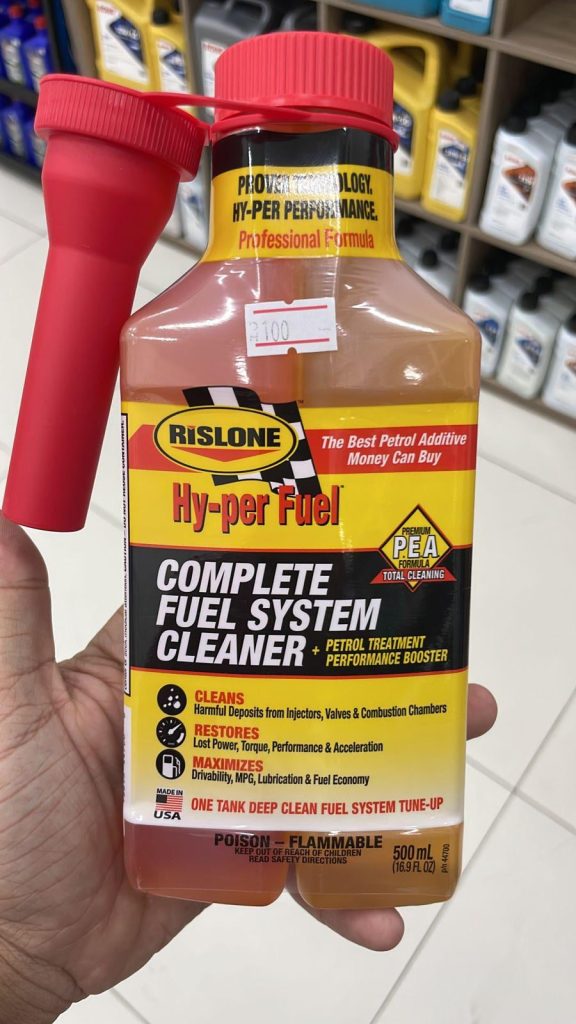
You might be wondering if a fuel system cleaner is really worth your time and money. With so many products on the market, it’s easy to feel overwhelmed and unsure about what actually works.
What if using one could save you from costly repairs or improve your car’s performance? You’ll discover the real benefits—and the possible downsides—so you can make the best choice for your vehicle. Keep reading to find out if a fuel system cleaner is the smart move for you.

Credit: www.youtube.com
How Fuel System Cleaners Work
Fuel system cleaners help remove dirt and buildup inside your engine’s fuel system. They clean fuel injectors, intake valves, and combustion chambers.
These cleaners work by breaking down deposits that affect fuel flow and engine performance. Cleaner fuel parts help the engine run smoothly and use fuel better.
Types Of Fuel System Cleaners
There are different types of fuel system cleaners. Each type targets specific parts of the fuel system. Some clean the entire system, while others focus on injectors or intake valves.
- Fuel Injector Cleaners: These remove deposits from fuel injectors to improve spray patterns.
- Intake Valve Cleaners: These focus on cleaning intake valves and ports.
- Combustion Chamber Cleaners: These reduce carbon buildup inside the combustion chamber.
- All-in-One Cleaners: These work on multiple parts of the fuel system at once.
Key Ingredients And Their Roles
Fuel system cleaners contain special chemicals that break down and remove deposits. These ingredients help clean without harming engine parts.
- Polyetheramine (PEA): A strong cleaner that removes carbon deposits effectively.
- Polyisobutylene amine (PIBA): Helps dissolve gum and varnish in fuel systems.
- Detergents: Prevent new deposits from forming on engine parts.
- Solvents: Help carry the cleaner through the fuel system for better cleaning.
Benefits Of Using Fuel System Cleaners
Fuel system cleaners help keep your car’s engine clean. They remove dirt and buildup from fuel injectors and valves.
Using these cleaners can improve how your engine runs and save money on fuel over time.
Improved Engine Performance
Fuel system cleaners remove deposits that block fuel flow. This helps the engine run smoothly and start easier.
A clean fuel system can reduce engine knocking and improve acceleration.
Enhanced Fuel Efficiency
Cleaning the fuel system helps fuel burn better in the engine. This means your car uses less fuel for the same distance.
Better fuel efficiency saves money and reduces the number of stops at the gas station.
Reduced Emissions
Fuel system cleaners lower harmful gases by improving fuel combustion. This helps the environment by reducing pollution.
Using these cleaners can help your car pass emissions tests and keep the air cleaner.
Potential Drawbacks And Risks
Fuel system cleaners can help keep engines clean. Yet, they are not always safe or useful for every car. Some problems may arise from using these products.
It is important to know the risks before adding any cleaner to your fuel system. Here are some possible concerns to keep in mind.
Possible Engine Damage
Some fuel system cleaners contain strong chemicals. These chemicals might harm engine parts. Using the wrong cleaner can cause:
- Damage to fuel injectors
- Wearing down rubber seals and gaskets
- Clogging filters if debris breaks loose
- Increasing engine wear over time
Always check your vehicle’s manual before using any cleaner. Using a product not made for your engine may cause serious damage.
Compatibility Issues
Fuel system cleaners do not work with all types of engines. Older cars, diesel engines, and some hybrids may not be compatible. Using the wrong cleaner can:
- Lead to poor engine performance
- Cause unusual noises or smells
- Void vehicle warranty
- Make emissions worse
Check the cleaner’s label and your vehicle’s specifications to avoid compatibility problems.
Cost Vs. Benefits
| Aspect | Details |
| Cost | Fuel system cleaners usually cost between $10 and $30 per bottle. |
| Frequency | Some require monthly use, others only once or twice a year. |
| Benefits | May improve fuel efficiency and reduce deposits. |
| Risks | Possible engine damage or wasted money if not needed. |
| Alternatives | Regular maintenance and quality fuel can also help engine health. |
Consider if the cleaner’s price matches the expected benefits. Sometimes, simple maintenance is a better choice.
Credit: www.jeeppatriot.com
When To Use Fuel System Cleaners
Fuel system cleaners help remove dirt and deposits from your engine parts. Using them at the right time keeps your car running smoothly.
Knowing when to use these cleaners can save you money and prevent engine problems.
Signs Your Vehicle Needs Cleaning
Your car may need a fuel system cleaner if it shows certain signs. These signs mean dirt or deposits are affecting performance.
- Engine feels rough or stalls often
- Lower fuel efficiency than usual
- Hard starting or slow acceleration
- Black smoke from the exhaust
- Check engine light is on
Recommended Maintenance Intervals
Using fuel system cleaners regularly can keep your engine clean. Follow your car’s maintenance schedule for best results.
Many experts suggest using a cleaner every 3,000 to 5,000 miles. This depends on your driving habits and fuel quality.
- Use cleaner every oil change for city driving
- Every 5,000 miles for highway driving
- More often if you use low-quality fuel
- Check your vehicle’s manual for specific advice
Expert Opinions And Research Findings
Fuel system cleaners claim to improve engine performance. Experts and researchers have studied if these claims are true.
This article shares what the automotive industry and scientific studies say about fuel system cleaners.
Automotive Industry Insights
Many car makers and mechanics say fuel system cleaners can help. They say cleaners remove deposits from fuel injectors and intake valves.
They note that regular use can keep engines running smoothly. Still, they warn cleaners are not a fix for big engine problems.
- Cleaners help reduce rough idling in some cases
- They may improve fuel efficiency slightly
- Regular maintenance is still necessary
- Not all fuel cleaners work the same
Scientific Studies On Effectiveness
Research tests show mixed results. Some studies find fuel system cleaners reduce carbon buildup.
Other research finds limited effects on engine power or emissions. Results depend on engine condition and cleaner type.
- Cleaners can remove small deposits in newer engines
- Older engines may need more intense cleaning
- Fuel additives vary in chemical strength
- Proper use follows manufacturer guidelines
Alternatives To Fuel System Cleaners
Fuel system cleaners aim to keep engines running smoothly. Some drivers look for other ways to maintain fuel systems. These alternatives can help avoid buildup and improve engine life.
Using these options may reduce the need for chemical cleaners. They focus on professional help and daily care. Let’s explore some effective alternatives below.
Professional Fuel System Services
Experts can clean your fuel system with specialized tools. These services remove deposits better than most DIY products. A mechanic can check fuel injectors, intake valves, and combustion chambers.
- Fuel injector cleaning with ultrasonic machines
- Intake valve cleaning by professional spray
- Throttle body cleaning for smoother air flow
- Fuel filter replacement to prevent clogging
- Comprehensive engine tune-ups and checks
Regular Vehicle Maintenance Tips
Simple habits help keep the fuel system clean. Regular care supports engine health and fuel efficiency. Here are some easy maintenance tips to try.
| Maintenance Task | Purpose | Frequency |
| Use high-quality fuel | Reduces deposits | Every fill-up |
| Replace air filter | Keeps air clean | Every 12,000 miles |
| Change spark plugs | Improves combustion | Every 30,000 miles |
| Check fuel lines | Prevents leaks | Every oil change |
| Keep fuel tank half full | Prevents moisture | Always |
Choosing The Right Fuel System Cleaner
Fuel system cleaners help keep your engine clean and running well. Choosing the right cleaner can save your car from damage and improve fuel efficiency.
There are many types of cleaners available. Picking one that fits your vehicle and needs is important.
Top Brands And Products
Some brands are known for making reliable fuel system cleaners. These products often have good reviews and proven results.
- Chevron Techron Concentrate Plus
- Sea Foam Motor Treatment
- Lucas Fuel Treatment
- STP Fuel Injector Cleaner
- BG 44K Fuel System Cleaner
Look for products that work with your type of fuel, such as gasoline or diesel. Some cleaners are designed for specific engines.
Factors To Consider Before Buying
Not all fuel system cleaners fit every car. You should check a few things before buying one.
- Fuel Type: Use a cleaner made for your fuel type (gasoline or diesel).
- Engine Type: Some cleaners suit older or newer engines better.
- Cleaner Ingredients: Avoid harsh chemicals that may harm parts.
- Usage Instructions: Choose a product with easy and clear directions.
- Price and Quantity: Compare cost per use to find the best value.
- Customer Reviews: Read feedback to see if it works well.
Choosing a cleaner that matches these factors helps protect your engine and keeps it working smoothly.

Credit: www.reddit.com
Frequently Asked Questions
What Is A Fuel System Cleaner?
A fuel system cleaner is a chemical additive. It’s designed to clean the fuel system components. These components include fuel injectors, intake valves, and combustion chambers. It helps in removing carbon deposits and other impurities. Using it can improve engine performance and fuel efficiency.
How Often Should I Use A Fuel System Cleaner?
The frequency of using a fuel system cleaner depends on your driving habits. Generally, it’s recommended to use it every 3,000 to 5,000 miles. Regular use helps maintain engine efficiency. Check your vehicle’s manual for specific recommendations.
Does Fuel System Cleaner Improve Gas Mileage?
Yes, a fuel system cleaner can improve gas mileage. It removes deposits and impurities in the fuel system. This allows for better fuel combustion and efficiency. Improved combustion can lead to better gas mileage and reduced emissions.
Can A Fuel System Cleaner Fix Engine Problems?
Fuel system cleaner might help with minor engine issues. It can resolve problems caused by deposits and impurities. However, for major engine problems, it’s best to consult a mechanic. Regular maintenance is crucial for engine health.
Conclusion
Fuel system cleaners can help keep your engine running smoothly. They remove deposits that may slow performance. Using them occasionally might improve fuel efficiency and reduce emissions. Still, regular maintenance and good driving habits matter most. Not all cleaners work the same, so choose products carefully.
Always follow the instructions on the label. Remember, fuel system cleaners are a helpful tool, not a fix-all solution. Consider your vehicle’s needs before deciding to use one. Small steps can keep your car healthy and save money in the long run.
Worth trying? Often, yes—with the right approach.