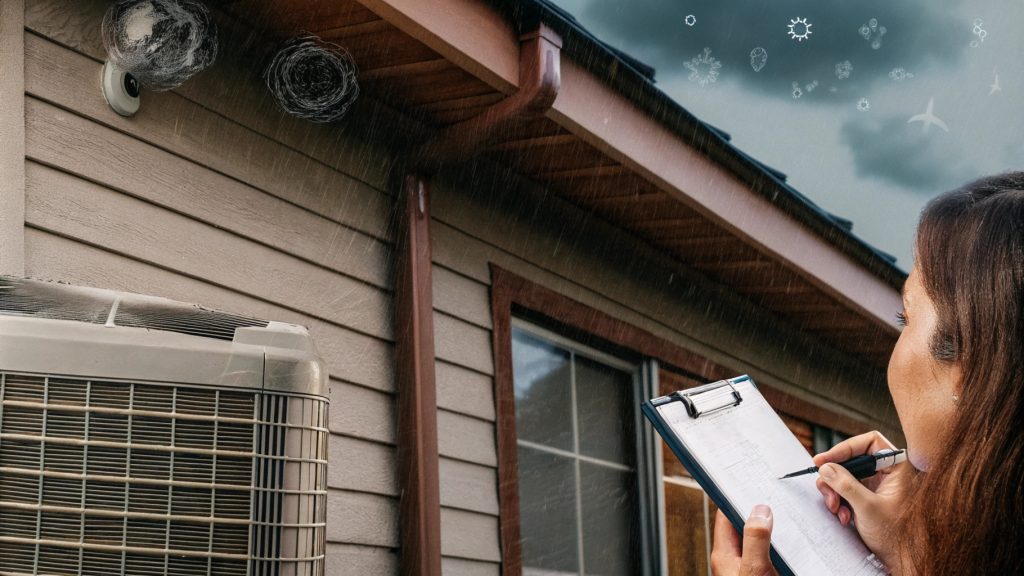
Is your air conditioner protected by your homeowners insurance? You might assume it is, but the truth can be surprising.
When your AC breaks down or gets damaged, will your policy help you fix or replace it? Understanding what your insurance covers can save you from unexpected costs and stress. Keep reading to find out exactly how homeowners insurance treats your air conditioner and what you can do to make sure you’re fully covered.

Credit: www.midwestductcleaning.com
Coverage Basics
Homeowners insurance helps protect your home and belongings from damage and loss. It covers many parts of your property but may not cover everything.
Knowing what is covered helps you understand your policy and avoid surprises during a claim.
What Homeowners Insurance Typically Covers
Most homeowners insurance policies cover damage caused by fire, theft, or natural disasters. They also protect your personal property and liability for accidents.
- Dwelling structure damage
- Other structures on the property, like sheds
- Personal belongings inside the home
- Liability for injuries on your property
- Additional living expenses if you cannot live in your home
Air Conditioner Coverage Specifics
Air conditioners may be covered depending on the cause of damage and your policy type. Coverage often varies for parts inside and outside the home.
| Type of Damage | Coverage for Air Conditioner |
| Sudden damage (fire, storm) | Usually covered under dwelling or personal property |
| Wear and tear or mechanical failure | Usually not covered |
| Theft of outdoor unit | Covered under personal property or other structures |
| Flood damage | Not covered without separate flood insurance |

Credit: www.freeadvice.com
Types Of Damage Covered
Homeowners insurance can protect your air conditioner from certain damages. It is important to know what types of damage are covered. This helps you understand when you can file a claim.
Different policies cover different damages. Read your policy carefully to see what applies to your air conditioner.
Sudden And Accidental Damage
This type of coverage protects your air conditioner if it breaks down suddenly. It covers accidents like electrical surges, fire, or vandalism. The damage must be unexpected and not planned.
- Electrical short circuits
- Fire damage
- Vandalism or theft
- Accidental impact or breakage
Damage From Natural Disasters
Some natural disasters can damage your air conditioner. Flood, hail, or wind can cause harm. Not all policies cover every disaster, so check your policy for details.
| Natural Disaster | Coverage Typical | Notes |
| Hail | Usually Covered | May cause dents or cracks |
| Flood | Often Not Covered | Needs separate flood insurance |
| Windstorm | Usually Covered | Includes damage from falling debris |
| Earthquake | Rarely Covered | Separate earthquake policy needed |
Wear And Tear Exclusions
Homeowners insurance does not cover normal wear and tear. This means damage from old age or regular use is excluded. You must maintain your air conditioner to avoid these issues.
Wear and tear examples:
- Rust or corrosion over time
- Mechanical breakdown from age
- Routine maintenance issues
- Parts that naturally degrade
Policy Limits And Deductibles
Homeowners insurance can cover your air conditioner in some cases. It depends on your policy limits and deductibles. These factors affect how much you get paid for damage or loss.
Understanding these terms helps you know what costs you must pay and what the insurance covers.
Understanding Coverage Limits
Coverage limits are the maximum amounts your insurance pays for a claim. Your air conditioner may be part of your home’s structure or personal property coverage.
If the damage costs more than your limit, you pay the extra amount. Check your policy to see the limit for HVAC systems or appliances.
- Coverage limits vary by policy and insurer
- Limits may differ for structure and personal property
- Higher limits usually mean higher premiums
- Some policies have special limits for air conditioners
Impact Of Deductibles On Claims
A deductible is the amount you pay before insurance pays. If your deductible is $1,000 and repair costs $3,000, insurance pays $2,000.
Choosing a higher deductible lowers your premium but means more out-of-pocket costs when you claim.
- Deductibles apply per claim, not per item
- Some policies offer different deductible options
- Know your deductible to avoid surprise costs
- Deductibles affect your decision to file small claims
Maintenance And Repairs
Air conditioners need care to work well all year. Regular maintenance helps avoid big problems.
Homeowners often wonder if their insurance covers AC repairs. This depends on the cause of damage and the policy terms.
Role Of Regular Maintenance
Keeping your air conditioner clean and checked can stop many issues. Maintenance includes tasks like cleaning filters and checking refrigerant levels.
- Change or clean air filters every 1-3 months
- Clear debris from outdoor units
- Inspect and clean coils annually
- Check the thermostat settings
- Schedule professional tune-ups yearly
When Repairs Are Covered
Insurance usually covers AC repairs if damage comes from sudden events. Examples are storms or fire. Wear and tear is often not covered.
| Cause of Damage | Coverage Status |
| Storm or Hail Damage | Covered |
| Fire Damage | Covered |
| Wear and Tear | Not Covered |
| Mechanical Failure | Usually Not Covered |
| Accidental Damage | May Be Covered |
Additional Coverage Options
Standard homeowners insurance may not cover all damages to your air conditioner. You can add extra protection to avoid large repair bills. These options help cover repairs beyond typical policies.
Two common ways to extend coverage include extended warranties and equipment breakdown coverage. Each has different benefits and limits to consider.
Extended Warranties
Extended warranties provide extra coverage beyond the manufacturer’s warranty. They usually last for several years and cover parts and labor for repairs. You can buy them from the air conditioner seller or a third party.
- Covers mechanical failures and parts replacement
- Often includes routine maintenance services
- May cover labor costs for repairs
- Can be purchased before or after buying the air conditioner
Equipment Breakdown Coverage
This coverage protects against sudden breakdowns of home systems. It covers repairs or replacement of your air conditioner if it stops working due to mechanical failure or electrical issues.
| Feature | Description |
| Coverage Type | Mechanical and electrical failures |
| Included Systems | HVAC, appliances, home electronics |
| Repair Costs | Parts and labor covered |
| Deductibles | Usually lower than standard insurance |
Filing A Claim For Ac Damage
Air conditioners can break down or get damaged from storms or accidents. Many homeowners wonder if their insurance covers this damage.
Filing a claim for AC damage means telling your insurance company about the problem. You need to know how to start this process.
Steps To Take After Damage
After your air conditioner is damaged, act quickly. This helps your claim process go smoothly.
First, check if it is safe to inspect the damage. If it is, look closely and note the problem.
- Turn off the AC to avoid more damage.
- Take photos of the damage from different angles.
- Keep any broken parts or debris.
- Contact your insurance company as soon as possible.
- Follow their instructions for filing the claim.
Documentation And Evidence Needed
Good records help your insurance claim. Collect all needed proof to show the damage and costs.
Keep receipts for repairs or replacement parts. Write down details about the damage and how it happened.
- Photos and videos of the damaged AC unit.
- Receipts for any repairs or inspections.
- A copy of your insurance policy.
- Reports from technicians or repair professionals.
- A list of any related expenses you paid.
Tips To Protect Your Air Conditioner
Air conditioners are important for keeping your home cool. Protecting them helps save money and avoid damage.
Simple care steps can make your air conditioner last longer and work better every summer.
Preventive Measures
Keep the area around your air conditioner clear. Remove leaves, dirt, and other debris. This helps the unit breathe well.
Use a cover to protect the outdoor unit during winter. This stops ice and snow from causing damage.
- Clear plants and bushes away from the unit
- Check for signs of rust or damage
- Keep pets and children away from the equipment
- Turn off the unit during storms or strong winds
Seasonal Maintenance Advice
Change air filters regularly to keep air clean and improve cooling. Dirty filters make the unit work harder.
Schedule a professional check-up before summer. A technician can find small problems and fix them early.
- Replace filters every 1-3 months
- Clean coils and fins in spring
- Check refrigerant levels yearly
- Test the thermostat for correct operation

Credit: hotalinginsurance.com
Frequently Asked Questions
Does Homeowners Insurance Cover Air Conditioner Damage?
Homeowners insurance typically covers damage to your air conditioner if it’s caused by a covered peril, like fire or theft. However, wear and tear or lack of maintenance are not covered. Always review your policy for specific details or consult your insurance provider for clarification.
Are Air Conditioner Repairs Included In Insurance?
Insurance usually doesn’t cover repairs due to normal wear and tear. It may cover repairs if damage results from a covered peril, like vandalism or a storm. It’s essential to understand your policy’s specifics and discuss with your insurer for precise coverage details.
What Types Of Ac Damage Are Covered?
Damage from covered perils, such as fire, lightning, or vandalism, is typically covered by homeowners insurance. However, damage from neglect or mechanical failure is usually not included. Always check your policy and talk to your provider to understand the coverage specifics.
Does Insurance Cover Ac Replacement?
Insurance may cover AC replacement if the damage is due to a covered peril. It won’t cover replacement due to age or regular wear and tear. Review your policy and discuss with your insurer to confirm if replacement is covered under specific circumstances.
Conclusion
Homeowners insurance may cover some air conditioner damage. Usually, it protects against sudden events like storms or fire. Normal wear and tear or breakdowns often are not covered. Check your policy details carefully to understand your coverage. Consider adding extra protection if needed.
Regular maintenance helps avoid costly repairs. Knowing your insurance limits can save money and stress. Stay informed to keep your home comfortable and safe.