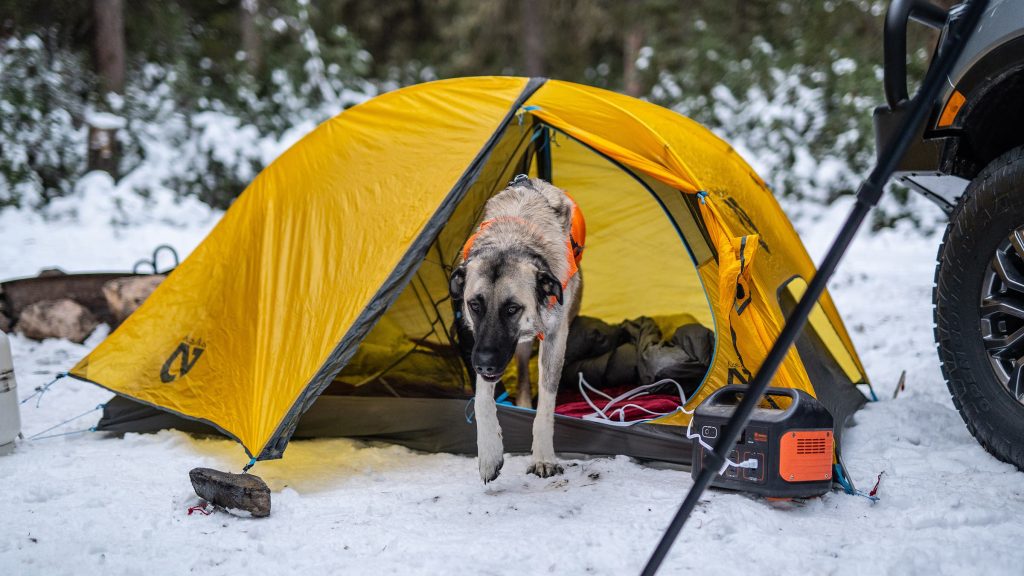
Are you planning a camping trip and wondering if you can use a space heater in your tent? Staying warm during chilly nights is a top priority, but safety is just as important.
You might be asking yourself: Is it safe? Will it keep me warm enough? You’ll discover the truth about using space heaters inside tents, how to do it safely, and which options work best. Keep reading to make sure your next camping experience is cozy without any risks.

Credit: www.reddit.com
Types Of Space Heaters For Tents
Using a space heater in a tent can keep you warm during cold nights. It is important to choose the right type of heater for safety and comfort.
There are several types of space heaters made for tents. Each one has different features and fuel sources.
Electric Heaters
Electric heaters use electricity to produce heat. They are safe to use inside tents if you have a power source.
- Do not produce fumes or carbon monoxide
- Require a generator or battery pack outdoors
- Usually have automatic shut-off for safety
- Best for short-term or mild cold weather
Propane Heaters
Propane heaters burn propane gas to create warmth. They are powerful but need careful handling.
| Feature | Details |
| Fuel | Propane gas cylinders |
| Ventilation | Needs good airflow to avoid gas buildup |
| Heat Output | High, suitable for very cold conditions |
| Safety | Use with carbon monoxide detector |
Catalytic Heaters
Catalytic heaters use a special pad to burn fuel without flames. They produce heat quietly and safely.
- Use propane or butane as fuel
- Do not emit open flames or sparks
- Require oxygen, so tents must have ventilation
- Good for small to medium tents
Safety Risks Inside Tents
Using a space heater in a tent can be risky. Tents are small and often lack proper safety features.
It is important to know the main safety risks before using any heater inside a tent.
Fire Hazards
Space heaters can easily cause fires inside tents. The fabric of tents is usually flammable.
If the heater tips over or is too close to the tent walls, it can ignite the fabric quickly.
- Tents catch fire fast because of thin materials.
- Heaters must be placed on a flat, stable surface.
- Keep heaters away from all tent walls and gear.
- Never leave a heater running unattended inside a tent.
Carbon Monoxide Poisoning
Many space heaters burn fuel and produce carbon monoxide gas. This gas is colorless and odorless.
Carbon monoxide can build up quickly in a tent and cause poisoning. Symptoms include headache and dizziness.
- Use only electric heaters to avoid carbon monoxide.
- Never use fuel-burning heaters inside a tent.
- Carbon monoxide detectors are not common in tents.
- Always keep a tent well ventilated if using any heater.
Ventilation Challenges
Tents have limited air flow. This makes it hard to keep fresh air inside.
Poor ventilation causes heat to build up and can increase the risk of fire or gas buildup.
- Keep tent vents open when using a heater.
- Check air flow regularly to prevent stuffiness.
- Use heaters designed for indoor use with safety features.
- Avoid blocking air vents with gear or sleeping bags.
Safe Setup Practices
Using a space heater inside a tent can help keep you warm. It is important to set it up safely to avoid accidents.
Following safe setup practices reduces the risk of fire and injury. Always be careful when placing and using heaters.
Choosing The Right Spot
Select a flat, stable area inside the tent to place the heater. Avoid spots near the tent walls or ceiling.
Make sure the heater is away from foot traffic to prevent it from being knocked over.
- Choose a level ground to keep the heater steady
- Keep it away from tent fabric and gear
- Place it where people won’t trip on cords or the heater itself
Using Heat-resistant Mats
Put a heat-resistant mat under the space heater to protect the tent floor. This mat stops heat damage and fire risks.
Choose mats made from fireproof or heat-resistant materials to ensure safety.
- Use mats designed for high temperatures
- Check the mat size covers the entire heater base
- Replace mats if they show signs of wear or damage
Maintaining Distance From Flammable Materials
Keep the heater at least three feet away from tents, sleeping bags, and other flammable items. This space lowers fire danger.
Clear the area around the heater so air can flow freely. Avoid covering the heater or blocking vents.
- Keep blankets, clothes, and paper far from the heater
- Do not place heaters near propane tanks or fuel cans
- Regularly check the area for new flammable items
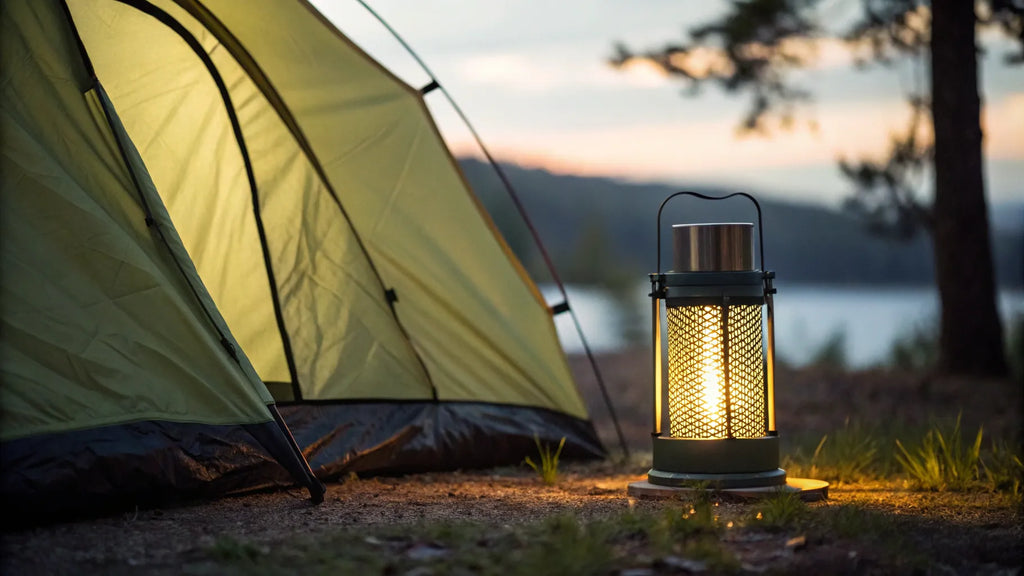
Credit: www.battlbox.com
Ventilation Tips For Heater Use
Using a space heater inside a tent needs careful attention. Proper ventilation helps keep fresh air flowing. It also lowers the risk of dangerous gases building up.
Follow safety steps to make sure your tent stays warm and safe. Good airflow and carbon monoxide detectors are key parts of this.
Ensuring Airflow
Keep some tent openings open to let air move inside. This stops carbon monoxide from collecting. You can open vents or unzip windows a little.
Do not seal your tent tightly when using a heater. Air must enter and exit freely. This helps the heater work safely and keeps air fresh.
- Open tent flaps or vents slightly
- Use mesh windows for airflow without bugs
- Avoid blocking air paths with gear
- Check airflow regularly during use
Using Carbon Monoxide Detectors
Carbon monoxide is a harmful gas made by heaters. It has no smell or color. A detector alerts you if gas builds up.
Place a battery-powered carbon monoxide detector inside your tent. Test it before use. This device saves lives by warning early.
- Buy a portable carbon monoxide detector
- Check batteries before each trip
- Place detector near your sleeping area
- Listen for alarms and leave tent immediately if it sounds
Best Heater Models For Camping
Using a heater in a tent can keep you warm and comfortable. Choosing the right heater is important for safety and efficiency.
This guide covers two main types of heaters for camping: electric and propane models. Each type has its benefits and limits.
Portable Electric Options
Electric heaters are easy to use and clean. They need a power source but produce no fumes or flames.
- Small ceramic heaters are lightweight and quiet.
- Infrared heaters warm objects directly, saving energy.
- Battery-powered models offer some portability but limited heat.
- Electric heaters usually have built-in safety features like tip-over switches.
Low-emission Propane Heaters
Propane heaters work well without electricity. Low-emission models reduce harmful gases and are safer for tents.
| Heater Model | Fuel Type | Heat Output | Safety Features |
| Mr. Heater Buddy | Propane | 4,000 BTU | Auto shut-off, tip-over switch |
| Honeywell 360 | Propane | 9,000 BTU | Oxygen depletion sensor |
| Camco Olympian Wave | Propane | 10,000 BTU | Flame failure device |
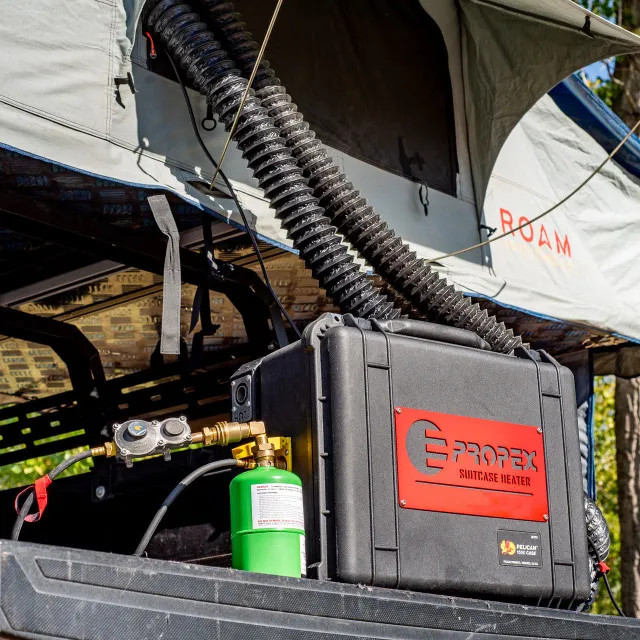
Credit: t-nax.com
Alternatives To Space Heaters
Using a space heater inside a tent can be risky and unsafe. There are safer ways to stay warm while camping. These alternatives help keep you cozy without the dangers of fire or carbon monoxide.
Here are some effective options to keep warm when camping in cold weather.
Insulated Sleeping Bags
Insulated sleeping bags trap your body heat to keep you warm. They use materials like down or synthetic fibers to add warmth. Choose a sleeping bag rated for the cold you expect.
Look for features like draft collars and insulated hoods. These help stop heat from escaping. Using a sleeping pad under your bag adds extra insulation from the cold ground.
- Choose a sleeping bag with a low temperature rating
- Use a sleeping pad for extra ground insulation
- Keep your sleeping bag dry for best warmth
Thermal Blankets
Thermal blankets reflect your body heat back to you. They are lightweight and easy to carry. Many campers use them as an extra layer inside their sleeping bags.
Thermal blankets work best when used to block wind or cover your tent floor. They help reduce heat loss and keep the cold out. Use them carefully to avoid moisture buildup.
- Wrap yourself in a thermal blanket inside your sleeping bag
- Use a thermal blanket to cover the tent floor
- Keep blankets dry to maintain effectiveness
Body Heat Techniques
Your body produces heat that can warm you and others nearby. Sharing a tent with a friend helps keep both warmer. Cuddling or sleeping close together transfers warmth.
Wearing warm clothes inside the sleeping bag also helps. Keep moving before going to bed to raise your body temperature. Avoid sweating because wet clothes cool you down.
- Sleep close to others to share body heat
- Wear dry, warm clothes inside your sleeping bag
- Move around before sleeping to warm up
Frequently Asked Questions
Is It Safe To Use A Space Heater In A Tent?
Using a space heater in a tent can be safe if done correctly. Ensure your heater is designed for indoor use and has safety features. Always follow the manufacturer’s instructions and never leave it unattended. Proper ventilation is crucial to prevent carbon monoxide buildup.
What Type Of Space Heater Is Best For Tents?
The best type of space heater for tents is a portable, propane or battery-operated model. Choose one specifically designed for indoor and tent use. Look for heaters with safety features like automatic shut-off and tip-over protection to enhance safety during your camping trip.
How Do You Prevent Fire Hazards With Tent Heaters?
To prevent fire hazards, place the heater on a stable, heat-resistant surface. Keep it away from flammable materials like sleeping bags and tent walls. Ensure there is enough ventilation to avoid overheating. Always supervise the heater and turn it off before sleeping.
Can You Use An Electric Heater In A Tent?
Yes, you can use an electric heater in a tent if you have access to electricity. Ensure the heater is suitable for indoor use with safety features. Keep it away from moisture to prevent electric shock. Always follow the manufacturer’s guidelines for safe operation.
Conclusion
Using a space heater in a tent can keep you warm on cold nights. Always choose a safe heater made for indoor use. Never leave the heater running while you sleep or leave the tent. Good ventilation is key to avoid harmful gases.
With careful use, a space heater can make camping more comfortable. Stay safe and enjoy your warm, cozy tent.