When it comes to keeping your motorcycle in top shape, knowing how to measure your tires is a skill you can’t afford to miss. You might think it’s complicated, but it’s easier than you imagine—and getting it right can save you money and keep you safe on the road.
Whether you’re checking for wear, choosing new tires, or just curious, this guide will walk you through every step clearly and simply. Stick with me, and you’ll learn exactly what to look for, how to measure, and why it matters to your ride’s performance and safety.
Ready to take control of your motorcycle maintenance? Let’s dive in.

Credit: www.amazon.com
Tire Size Basics
Measuring motorcycle tires helps you find the right fit for your bike. Tire size shows important details about the tire.
Knowing how to read tire size saves time and keeps you safe on the road. Let’s learn the basics first.
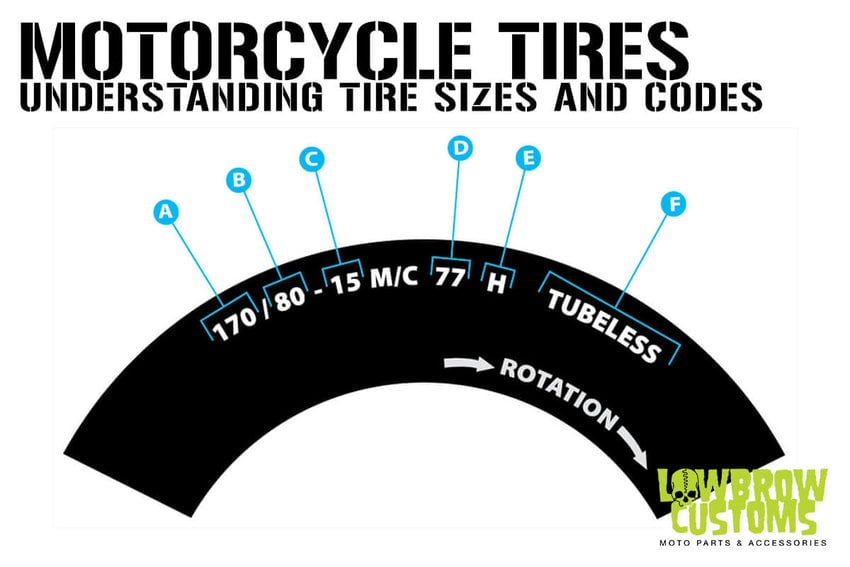
Decoding Tire Markings
Tire markings are letters and numbers on the tire sidewall. They tell you the size and type of the tire.
Each marking has a meaning that helps you pick the right tire for your motorcycle.
- Letter for tire type (e.g., “P” for passenger)
- Numbers for width, aspect ratio, and diameter
- Speed rating and load index
Understanding Width, Aspect Ratio, And Diameter
The tire width shows how wide the tire is in millimeters. It is the first number in the size code.
The aspect ratio is the height of the sidewall as a percent of the width. It is the second number.
Diameter is the size of the wheel the tire fits. It is measured in inches and is the last number.
- Width:Tire width in millimeters
- Aspect Ratio:Sidewall height as a percent of width
- Diameter:Wheel size in inches
Tools Needed
Measuring motorcycle tires requires the right tools. These tools help you get accurate tire size.
Using simple tools can save time and avoid mistakes when checking your tires.
Measuring Tape Or Ruler
A measuring tape or ruler is useful for quick measurements. You can measure tire width and tread depth easily.
Choose a tape that is flexible and easy to read. A ruler works well for small sections of the tire.
- Measure the tire width from sidewall to sidewall.
- Check tread depth by measuring from the surface to the bottom of grooves.
- Use clear, simple markings for better accuracy.
Calipers For Precision
Calipers give precise measurements for tire parts. They work well for small distances and thickness.
Digital calipers are easy to read and provide exact numbers. Manual calipers are also good but need careful reading.
- Use calipers to measure tire width accurately.
- Check sidewall thickness and rim diameter.
- Measure tread depth precisely at multiple points.
Measuring Tire Width
Measuring the width of a motorcycle tire helps you find the right fit. It is important for safety and performance.
Use simple tools like a ruler or caliper for accurate results. Take your time to get the best measurement.
Locating The Widest Point
The widest point is the part of the tire that sticks out the most. It is usually in the middle of the tread.
- Place the tire on a flat surface.
- Look across the tire from side to side.
- Find the area where the tire is thickest.
- Mark this spot for measuring.
Recording Accurate Measurements
Use a tape measure or caliper to get the width in millimeters or inches. Keep the tool straight across the tire.
| Tool | How to Use |
| Tape Measure | Stretch across the widest point, read the number. |
| Caliper | Place tips on each side, read the scale. |
| Ruler | Lay flat and measure from edge to edge. |

Credit: www.youtube.com
Checking Aspect Ratio
The aspect ratio of a motorcycle tire shows the height of the sidewall. It is a percentage of the tire’s width. This number helps you understand the tire’s shape and size.
Checking the aspect ratio is important to pick the right tire. It affects how the bike handles and fits on the wheel.
Calculating Sidewall Height
The sidewall height is the distance from the rim to the outer edge of the tire. You can find it by using the aspect ratio and tire width. This helps you know how tall the tire side is.
To calculate, multiply the tire width by the aspect ratio (in decimal form). For example, if the tire width is 120 mm and the aspect ratio is 70%, sidewall height is 120 x 0.70 = 84 mm.
- Find tire width in millimeters
- Convert aspect ratio to decimal (70% = 0.70)
- Multiply width by aspect ratio
- Result is sidewall height in millimeters
Importance In Tire Fit
The sidewall height affects how the tire fits on the rim. It changes the overall tire size and bike clearance. Wrong size can cause poor handling or damage.
Choosing a tire with the right aspect ratio keeps your bike safe and stable. It also helps maintain speedometer accuracy and ride comfort.
Measuring Rim Diameter
Measuring the rim diameter is important for choosing the right motorcycle tire. The rim diameter tells you the size of the wheel where the tire fits.
Getting this measurement correct helps your tire fit well and perform safely on the road.
Finding The Rim Edge
Look for the inner edges of the rim where the tire bead sits. These edges hold the tire in place on the wheel.
Use a tape measure or ruler to measure across the rim from one inner edge to the other. This distance is the rim diameter.
- Remove the tire if possible for a clear view
- Measure from one rim bead seat to the opposite bead seat
- Record the measurement in inches or millimeters
Ensuring Compatibility
Check that the rim diameter matches the tire size you want to buy. Tires must fit the rim exactly for safety and performance.
Look at the tire sidewall to find the size code. It shows the rim diameter in inches, which should match your measurement.
- Match tire rim diameter with your rim measurement
- Use only tires made for your rim width and type
- Consult your motorcycle manual for recommended sizes
Verifying Tire Fit
Checking tire fit is important for your motorcycle’s safety and performance. The right size tire keeps your bike stable and handles well on the road.
Measuring your tires correctly helps you avoid buying the wrong size. It also prevents damage to the rim or suspension.
Cross-checking Manufacturer Specs
Start by looking at the tire size recommended by your motorcycle maker. This information is often on the bike frame or in the owner’s manual.
Compare your measurements with these specs. Tires that are too wide or too narrow can cause problems.
- Check the tire width, aspect ratio, and rim diameter
- Match the load index and speed rating to your bike
- Use the exact tire type suggested (radial or bias-ply)
Consulting Professional Advice
Ask a motorcycle mechanic or tire expert for help if you are unsure about your tire size. They can guide you based on your bike model and riding style.
Professionals use special tools and know industry standards. Their advice can save you time and money.
- Visit a certified tire shop for a proper fit check
- Get recommendations on tire brands and models
- Learn about tire maintenance and replacement timing
Common Mistakes To Avoid
Measuring motorcycle tires correctly is important for safety and performance. Many riders make errors that affect tire choice and usage.
This guide covers common mistakes to avoid when measuring motorcycle tires. Avoiding these errors helps keep your ride safe and smooth.
Incorrect Measurement Points
One common mistake is measuring the tire at the wrong points. Tires have specific areas to measure for width, height, and diameter.
- Do not measure the tire at the sidewall only.
- Avoid measuring the tread depth at worn spots.
- Measure the tire width at the widest point of the tread.
- Use the bead area for rim diameter measurement.
- Do not guess the size based on old tires or markings alone.
Ignoring Tire Load Ratings
Many riders ignore tire load ratings when selecting tires. This rating shows the maximum weight a tire can safely support.
| Load Rating | Maximum Load (lbs) | Common Use |
| 54 | 990 | Light motorcycles |
| 62 | 1323 | Standard motorcycles |
| 69 | 1433 | Heavy motorcycles |
| 75 | 1984 | Touring motorcycles |
Check your motorcycle’s weight and choose a tire with a suitable load rating. Using a tire with a low rating can cause tire failure.
Tips For Buying New Tires
Choosing the right motorcycle tires is important for safe riding. Tires affect how your bike handles on the road.
Before buying, you should know how to measure your tires and pick the right type for your needs.
Matching Riding Style
Your riding style affects the type of tires you need. Different tires suit different types of riding.
If you ride mostly in the city, look for tires that offer good grip and comfort. For off-road riding, choose tires with deep treads.
- Sport riders need tires with strong cornering grip
- Touring riders should select tires for long-lasting durability
- Cruisers benefit from tires that provide smooth handling
- Off-road riders require tires with extra traction and toughness
Considering Weather Conditions
Weather can change how your tires perform. Choose tires that work well in the conditions you ride most.
Wet weather needs tires with good water drainage. Warm, dry climates require tires that handle heat well.
- Use rain tires if you often ride in wet conditions
- Choose all-weather tires for mixed weather riding
- Pick tires with heat resistance for hot climates
- Winter tires help in cold, icy places
Credit: www.michelin.com.au
Frequently Asked Questions
How Do You Measure Motorcycle Tire Width?
To measure motorcycle tire width, use a caliper to measure the distance between the outer edges of the tire. Ensure the tire is fully inflated for accurate results. Refer to the tire’s sidewall markings for the manufacturer’s specified width, which usually appears in millimeters.
What Is The Correct Tire Diameter?
To find the correct tire diameter, measure the distance from one side of the tire to the other through the center. This includes the tire and wheel. Check the sidewall for manufacturer specifications. Typically, diameter is listed in inches and should match the wheel size.
How Can I Measure Tire Tread Depth?
Use a tread depth gauge to measure your motorcycle tire tread. Insert the gauge into the grooves of the tire tread. Check various spots to ensure even wear. Tires generally need replacing if tread depth is below 1/32 of an inch for safety.
Why Is Measuring Tire Pressure Important?
Measuring tire pressure ensures optimal performance and safety. Underinflated tires can lead to poor handling and increased wear. Overinflated tires may reduce traction. Use a reliable tire pressure gauge. Check pressure when tires are cold for accurate readings. Always adhere to the manufacturer’s recommended pressure levels.
Conclusion
Measuring motorcycle tires helps keep your ride safe and smooth. Use a tape measure to check width, aspect ratio, and rim size. Read tire markings carefully to understand the numbers. Accurate measurements ensure you buy the right tire. This also improves handling and tire life.
Regular checks catch wear and damage early. Keep your bike in top shape with simple tire care. Stay confident on the road by knowing your tires well.