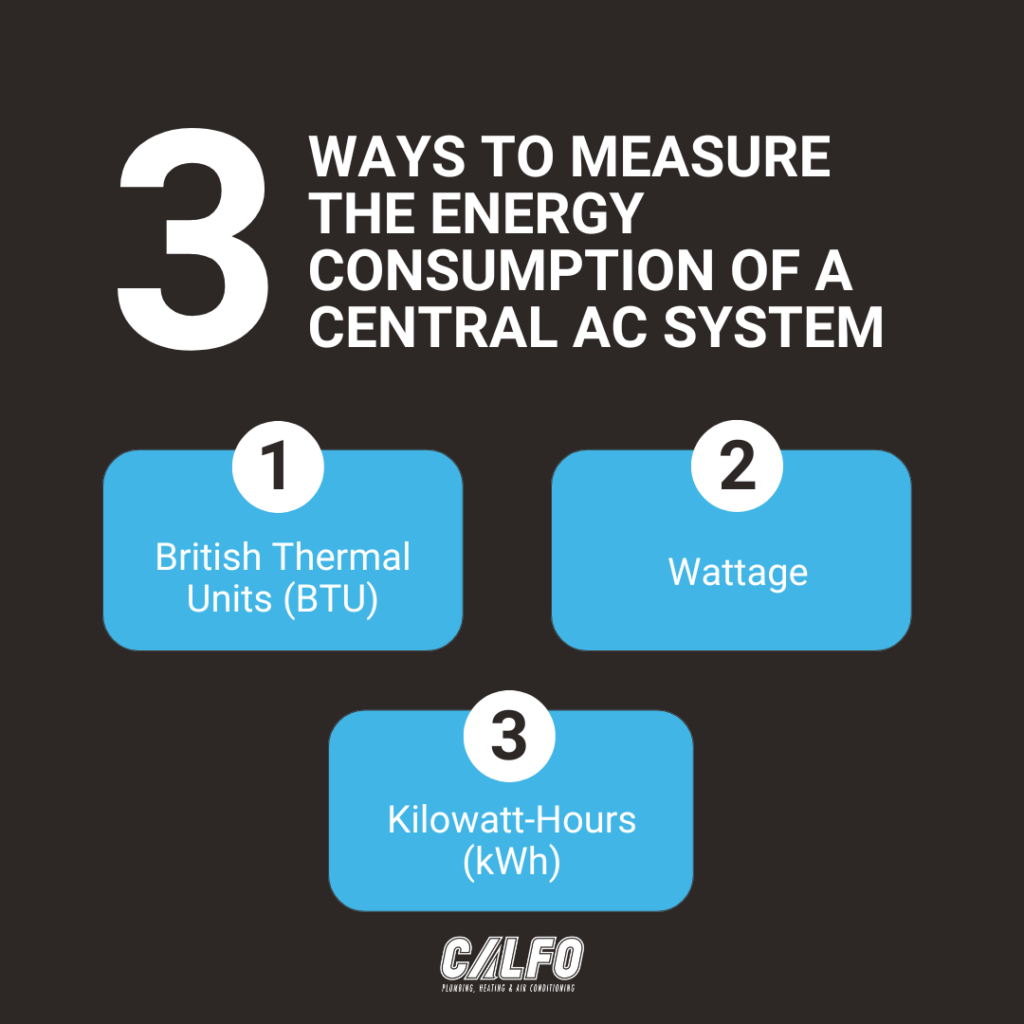
Have you ever wondered how much electricity your air conditioner really uses? Knowing how many kilowatt-hours (kWh) your AC consumes can help you save money and reduce your energy bills.
Understanding this simple number puts you in control of your cooling costs. You’ll discover exactly what affects your air conditioner’s energy use and easy tips to lower it. Keep reading to learn how to stay cool without breaking the bank.

Credit: www.reddit.com
Air Conditioner Energy Basics
A kilowatt hour (kWh)measures the energy used by devices. It equals using 1,000 watts for one hour. This unit helps track how much electricity an air conditioner uses.
Air conditioners use energy based on their power rating and running time. For example, a 1,500-watt AC running for 2 hours uses 3 kWh (1.5 kW × 2 hours).
Energy use depends on several factors:
- Size of the AC:Bigger units use more power.
- Temperature setting:Lower temperatures mean more energy.
- Room size:Larger rooms need more cooling.
- Outdoor temperature:Hotter days increase usage.
- Insulation quality:Good insulation saves energy.
Types Of Air Conditioners
Window unitsare small and easy to install. They usually use between 500 to 1,500 kWhper month. These units cool one room well and cost less to run.
Split systemshave two parts: an indoor and outdoor unit. They use about 1,000 to 2,000 kWhmonthly. These are good for cooling several rooms efficiently.
Central air conditionerscool the whole house. They consume the most power, around 2,000 to 5,000 kWhper month. These units need ductwork for air flow.
Portable ACsare easy to move from room to room. Their energy use is about 600 to 1,800 kWhmonthly. They are less efficient than window or split systems.
Calculating Ac Energy Consumption
An air conditioner’s power ratingshows how much electricity it uses. It is given in kilowatts (kW). To find the energy used, multiply the power rating by the hours of use. For example, a 1.5 kW AC running for 4 hours uses 6 kWh.
The Energy Efficiency Ratio (EER)measures how well an AC cools compared to the energy it uses. A higher EER means the AC uses less power to cool the room. This ratio helps choose energy-saving models.
Seasonal Energy Efficiency Ratio (SEER)shows AC efficiency over a cooling season. It is more accurate than EER. A higher SEER means lower energy bills and less electricity use. SEER helps compare different AC models easily.
Typical Energy Use By Ac Size
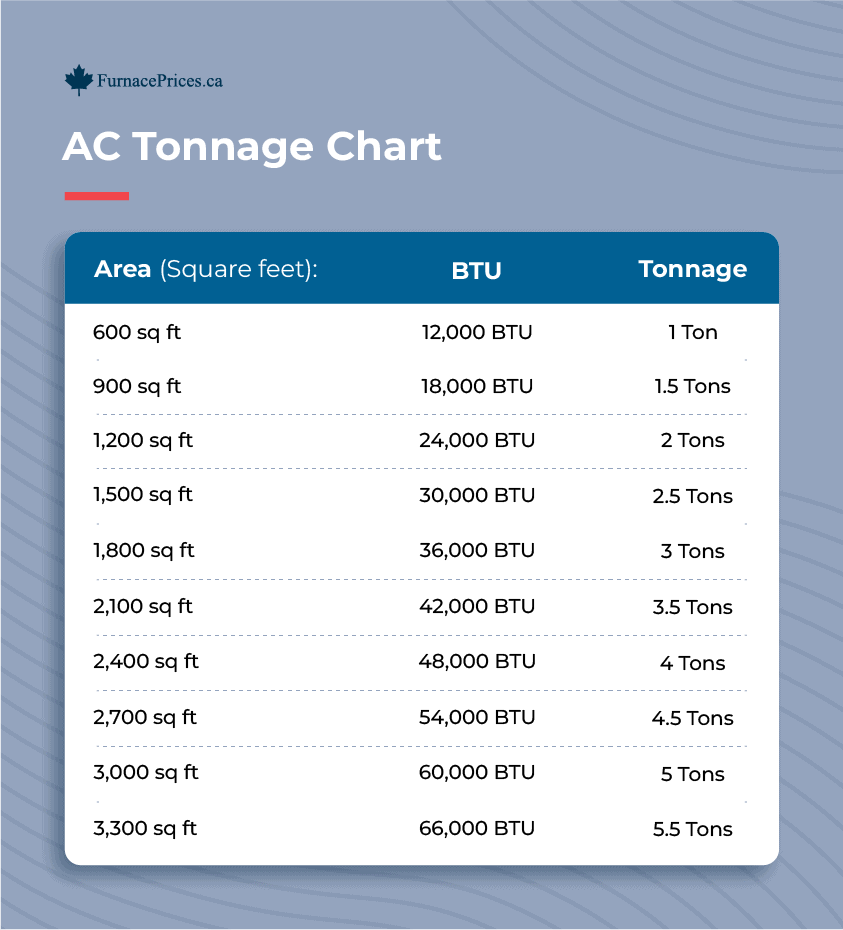
Air conditioners use different amounts of energybased on their size and power. Small units, usually between 5,000 and 8,000 BTU, consume around 0.5 to 0.8 kWhper hour. These are best for small rooms or spaces.
Medium units, ranging from 9,000 to 12,000 BTU, use about 0.9 to 1.2 kWhper hour. They cool medium-sized rooms efficiently without using too much energy.
Large units, which are above 13,000 BTU, can use more than 1.3 kWhper hour. These are suitable for large rooms or open spaces but consume more electricity.
Energy Saving Tips
Setting the thermostatto 78°F (26°C) saves energy and keeps you cool. Avoid lower temperatures, as they increase electricity use. Use a programmable thermostat to adjust settings automatically.
Regular maintenancekeeps your air conditioner working well. Clean or replace filters every month during use. Check for leaks and clear debris from outdoor units to improve airflow and efficiency.
- Using fanshelps move cool air around the room.
- Ceiling fans allow you to raise the thermostat by 4°F without loss of comfort.
- Open windows and vents when outdoor air is cooler to reduce AC use.
Energy-efficient modelsuse less power to cool your space. Look for units with a high SEER rating (Seasonal Energy Efficiency Ratio). They may cost more upfront but save money over time.
Impact On Electricity Bills
The electricity costof running an air conditioner depends on its power usageand how long it runs each day. Most air conditioners use between 1 to 2 kWh per hour. The total monthly cost depends on the rate your electricity company charges per kWh.
| Usage Pattern | Hours per Day | Monthly kWh Used | Estimated Cost (at $0.12/kWh) |
|---|---|---|---|
| Light Use | 4 | 120 | $14.40 |
| Moderate Use | 8 | 240 | $28.80 |
| Heavy Use | 12 | 360 | $43.20 |
- Longer usage means higher electricity bills.
- Turning off the AC when not needed saves money.
- Energy-efficient models use less power.
Environmental Considerations
Reducing the carbon footprintof air conditioners helps protect the planet. Air conditioners use a lot of electricity, mostly from fossil fuels. This creates greenhouse gasesthat warm the earth.
Simple steps can lower energy use and carbon output:
- Use energy-efficient models with a high SEER rating.
- Keep filters clean to improve airflow.
- Set temperatures a few degrees higher.
- Use fans to help cool rooms.
Eco-friendly cooling alternativesreduce harm to the environment. Options include:
- Evaporative coolersthat use water and less power.
- Solar-powered air conditionersthat run on sunlight.
- Natural ventilationlike opening windows and using shades.
Choosing these options can save energy and help fight climate change.
Credit: northnjhvac.com
Credit: www.furnaceprices.ca
Frequently Asked Questions
How Many Kwh Does A Typical Ac Use Daily?
A typical air conditioner uses about 1 to 5 kWh per hour. Daily usage depends on the hours of operation. For example, running an AC for 8 hours could consume between 8 and 40 kWh. Factors like the AC model, efficiency, and room size can influence the exact consumption.
What Affects An Air Conditioner’s Kwh Usage?
Several factors affect an air conditioner’s kWh usage. These include the unit’s efficiency, room size, and outdoor temperature. The thermostat setting and insulation quality also play significant roles. Regular maintenance can help ensure optimal efficiency and reduce energy consumption.
How To Reduce Ac Kwh Consumption?
To reduce AC kWh consumption, consider using a programmable thermostat. Set it to higher temperatures when you’re not home. Ensure your home is well-insulated to prevent energy loss. Regularly clean or replace air filters to maintain efficiency. Using ceiling fans can also help circulate air and reduce dependency on the AC.
Is Inverter Ac More Energy-efficient?
Yes, inverter ACs are more energy-efficient than non-inverter models. They adjust compressor speed based on cooling needs, reducing energy consumption. This results in consistent temperatures and lower electricity bills. Although initially costlier, inverter ACs can save money in the long run due to their efficiency.
Conclusion
Air conditioners use different amounts of electricity based on size and settings. Knowing your unit’s kWh helps control energy costs. Running your AC efficiently saves money and keeps your home cool. Simple steps like adjusting the temperature and maintenance reduce power use.
Understanding energy use makes you smarter about your bills. It also helps the environment by lowering electricity demand. Every small action counts toward better energy habits. Stay aware and enjoy a comfortable, cost-effective home all year.