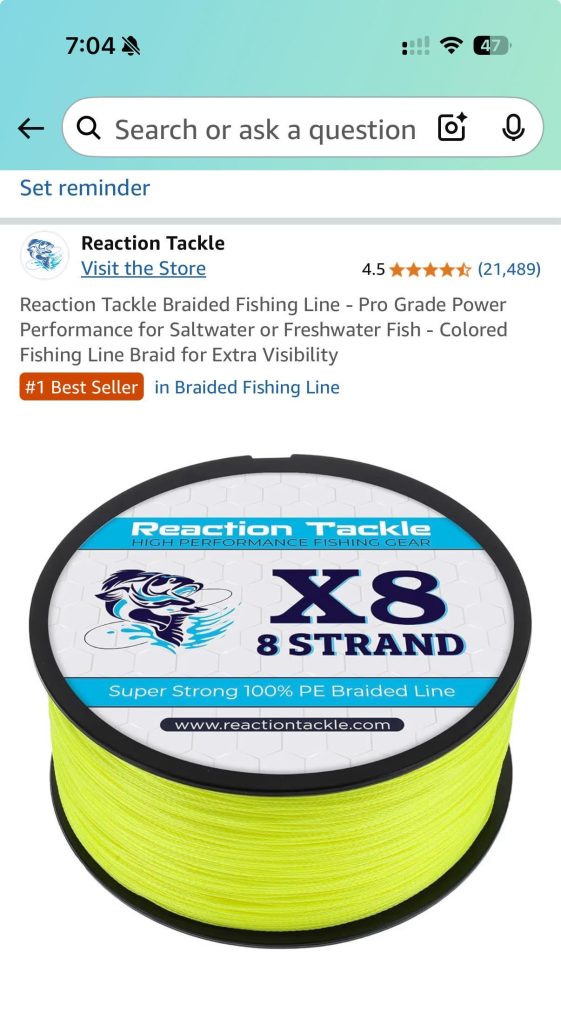
Are you looking to catch more bass and wondering if braided line is the secret weapon you need? Choosing the right fishing line can make a huge difference in your success on the water.
Braided line is popular among many anglers, but is it really the best choice for bass fishing? You’ll discover the pros and cons of using braided line, how it compares to other types of line, and tips to help you decide if it fits your fishing style.
Keep reading to find out if braided line can give you the edge you’ve been searching for.

Credit: mysterytacklebox.com
Benefits Of Braided Line
Braided fishing line is a popular choice for bass fishing. It offers several advantages over other line types. Many anglers prefer it for its unique features.
Understanding these benefits can help you decide if braided line fits your fishing style. It improves your chances of catching bass efficiently.
Strength And Durability
Braided line is very strong for its diameter. It can handle heavy loads without breaking. This makes it ideal for fighting big bass.
The line resists abrasion well. It holds up against rough surfaces like rocks and weeds. This durability extends the life of your line.
Sensitivity And Bite Detection
Braided line has little stretch. This helps anglers feel even the smallest bites. You can react quickly to catch more fish.
The high sensitivity allows better control over the lure. It improves your ability to set the hook at the right moment.
Casting Distance And Accuracy
Braided line is thin and smooth. This reduces friction on the rod guides. It lets you cast farther with less effort.
The line’s thin diameter also helps with accurate casts. You can place your lure exactly where bass are hiding.
- Thin diameter means less wind resistance
- Smoother casting action
- Better lure control in the water
Drawbacks To Consider
Bass fishing with braided line has some downsides you should know. It is strong but not perfect for every situation.
Thinking about these drawbacks helps you pick the right line for your fishing needs.
Visibility In Clear Water
Braided line is very visible in clear water. Bass can easily see it, which may scare them away.
Many anglers use a clear or fluorocarbon leader to hide the braided line from fish.
Handling And Knot Tying
Braided line is thin but stiff. This makes it harder to handle and tie knots.
Knots may slip or fail if not tied correctly. You need to learn special knots for braid.
- Use knots like Palomar or Double Uni for braid
- Keep knots tight and wet before pulling
- Practice to avoid knot slippage
Cost Compared To Other Lines
Braided line usually costs more than monofilament or fluorocarbon. This can add up over time.
It lasts longer but the initial price may be high for some anglers on a budget.
Braided Line Vs Monofilament And Fluorocarbon
Bass fishing needs the right line for better results. Anglers often choose between braided line, monofilament, and fluorocarbon.
Each line type has its strengths and weaknesses. Understanding these helps you pick the best one for bass fishing.
Strength Comparison
Braided line is very strong for its diameter. It offers more strength than monofilament or fluorocarbon of the same thickness.
Monofilament has moderate strength but is thicker for the same breaking point. Fluorocarbon is usually stronger than monofilament but less than braided.
- Braided line: highest strength, thin diameter
- Monofilament: moderate strength, thicker diameter
- Fluorocarbon: strong, medium diameter
Stretch And Sensitivity Differences
Braided line stretches very little, giving high sensitivity. You feel every bite and movement clearly.
Monofilament stretches more, which can help absorb shocks but reduces sensitivity. Fluorocarbon has low stretch and good sensitivity, but not as much as braid.
- Braided line: low stretch, high sensitivity
- Monofilament: high stretch, lower sensitivity
- Fluorocarbon: low to moderate stretch, good sensitivity
Best Uses For Each Type
Braided line works well in heavy cover and deep water. It helps pull bass out of thick weeds or wood.
Monofilament is good for topwater lures and beginners. It floats and has some stretch to prevent line breakage.
Fluorocarbon is best for clear water and finesse fishing. It is less visible underwater and sinks faster than other lines.
- Braided line: heavy cover, deep water, strong pulls
- Monofilament: topwater, beginners, floaters
- Fluorocarbon: clear water, finesse, low visibility
Choosing The Right Braided Line
Braided fishing lines are popular for bass fishing due to their strength and sensitivity. Picking the right braided line can improve your fishing experience and catch rates.
Understanding factors like pound test, line diameter, and color helps you choose the best line for your needs. Each factor affects how the line performs in different water conditions.
Pound Test For Bass Fishing
The pound test shows the line’s strength and the weight it can hold before breaking. For bass fishing, the ideal pound test depends on your fishing style and environment.
- Use 10-20 pound test for most bass fishing in clear water.
- Choose 20-30 pound test for heavy cover or large bass.
- Higher pound tests offer more strength but can reduce sensitivity.
- Lighter tests provide better feel but may break easily in tough spots.
Line Diameter And Visibility
Line diameter affects casting distance and how visible the line is to fish. Thinner lines cast farther and are less visible underwater.
| Line Diameter (inches) | Visibility | Strength |
|---|---|---|
| 0.10 – 0.12 | Low | 10-15 lbs |
| 0.13 – 0.16 | Medium | 15-25 lbs |
| 0.17 – 0.20 | High | 25-40 lbs |
Color Options And Their Impact
The color of braided line can affect how fish see it. Choose line colors based on water clarity and light conditions to stay hidden from bass.
- Green or camo colors work well in clear water with vegetation.
- Yellow or bright colors help you see the line above water.
- Blue or gray lines suit deep or open water for less visibility.
- Clear or low-visibility colors reduce line detection by fish.
Tips For Using Braided Line Effectively
Braided line is strong and sensitive, making it popular for bass fishing. Using it right helps you catch more fish.
Follow these tips to get the most from your braided line and improve your fishing experience.
Proper Knot Techniques
Braided line is thin and slippery, so use knots that hold tight. The Palomar knot and Double Uni knot work well.
Make sure to wet the knot before tightening. This helps prevent friction that can weaken the line.
- Use Palomar knot for hooks and lures
- Try Double Uni knot to join lines
- Always moisten knots before pulling tight
Combining With Leader Materials
Braided line is visible in clear water, so use a leader to hide it from fish. Fluorocarbon is a good choice.
Tie the braided line to the leader with a strong knot. This lets you keep strength and reduce line visibility.
- Use fluorocarbon leaders for clear water
- Match leader strength to braided line
- Check knots regularly to avoid breaks
Maintenance And Line Care
Keep your braided line clean and dry after fishing. Dirt and salt can damage the fibers and reduce strength.
Replace the line if you see frays or cuts. Regular care extends the life of your line and keeps it strong.
- Rinse line with fresh water after use
- Store line in a cool, dry place
- Inspect line for damage before each trip
- Replace line if frayed or damaged

Credit: www.reddit.com
Top Braided Lines Recommended For Bass
Bass fishing requires strong and sensitive fishing lines. Braided lines are popular for their strength and low stretch. They help anglers feel bites quickly and make solid hook sets.
Choosing the right braided line can improve your bass fishing experience. This guide covers top braided lines suited for bass fishing.
High-performance Brands
High-performance braided lines offer great strength and durability. These brands use quality fibers and advanced weaving techniques. They provide smooth casting and great sensitivity.
- PowerPro Spectra Fiber Braided Line
- SpiderWire Stealth Smooth Braided Fishing Line
- Sunline Super PE Braided Line
Budget-friendly Options
Budget-friendly braided lines give good value for the price. They are suitable for anglers who want decent quality without high cost. These lines still perform well for bass fishing.
- Piscifun Braided Fishing Line
- Goture Braided Fishing Line
- Sougayilang Braided Fishing Line
Specialized Lines For Bass Techniques
Some braided lines are designed for specific bass fishing techniques. These lines offer features like extra abrasion resistance or thinner diameter. They help anglers fish in tough conditions or use finesse tactics.
- For flipping and pitching: Berkley FireLine Braided Line
- For topwater and heavy cover: Sufix 832 Advanced Superline
- For finesse fishing: KastKing SuperPower Braided Line
Real Angler Experiences
Many bass anglers share their stories about using braided fishing line. Their real experiences help others decide if this line works well for bass fishing.
This article highlights success stories, common challenges, and expert advice about braided line for bass fishing.
Success Stories With Braided Line
Some anglers say braided line helped them catch bigger bass. The line’s strength and sensitivity made a difference.
- One angler caught a 7-pound bass using braided line in heavy cover.
- Another reported better hook sets because the line does not stretch much.
- Many liked how the thin diameter allowed longer casts and better lure action.
Common Challenges Faced
Some anglers found braided line tricky to handle at first. It can be slippery and hard to knot.
| Challenge | Detail |
| Knot Slipping | Needs special knots like Palomar or Double Uni |
| Line Visibility | Braided line is visible in clear water, may scare fish |
| Wear and Tear | Can fray on sharp rocks or rough cover |
Advice From Bass Fishing Experts
Experts suggest choosing the right braid strength and using a fluorocarbon leader to reduce visibility.
Here is expert advice on using braided line:
- Use high-quality braid for better durability.
- Practice tying strong knots like the Palomar knot.
- Attach a fluorocarbon leader to hide the line from bass.
- Check your line often for frays and replace when needed.

Credit: mysterytacklebox.com
Frequently Asked Questions
What Makes Braided Line Good For Bass Fishing?
Braided line offers high strength and sensitivity, ideal for bass fishing. It allows anglers to feel subtle bites. Its thin diameter enables longer casts and cuts through vegetation easily. This makes it perfect for fishing in heavy cover where bass often hide.
Does Braided Line Scare Bass Away?
Braided line is visible in clear water, which might spook bass. However, using a fluorocarbon leader can solve this issue. The leader provides invisibility underwater, maintaining the advantages of braided line while preventing bass from getting scared.
Can Braided Line Handle Heavy Cover?
Yes, braided line excels in heavy cover fishing. Its abrasion resistance allows it to cut through vegetation effectively. The strength of braided line helps in pulling bass out of weeds and other obstacles. This makes it a preferred choice for such environments.
Is Casting Distance Improved With Braided Line?
Braided line improves casting distance due to its thin diameter and low stretch. This allows anglers to reach further spots easily. Its smooth texture reduces friction on the reel, making long casts more efficient. This feature is particularly beneficial in larger water bodies.
Conclusion
Braided line offers strength and sensitivity for bass fishing. It casts smoothly and handles heavy cover well. Anglers feel bites more clearly with braid. Its thin diameter lets you spool more line. Yet, it can be visible to fish in clear water.
Choosing braid depends on your fishing style and water conditions. Many anglers trust it for tough bass battles. Try it out and see how it fits your needs. Fishing with braided line can improve your experience on the water.