Have you ever wondered just how cold your air conditioner can really get? When the summer heat feels unbearable, you want your AC to cool your space quickly and efficiently.
But understanding how cold your air conditioner can make the air helps you set the right expectations and use it better. You’ll discover the facts about the cooling limits of your AC, how it works, and tips to get the most refreshing chill every time you turn it on.
Keep reading to unlock the secret to staying comfortably cool all day long.

Credit: www.lifestylewarehouse.co.uk
How Air Conditioners Cool Air
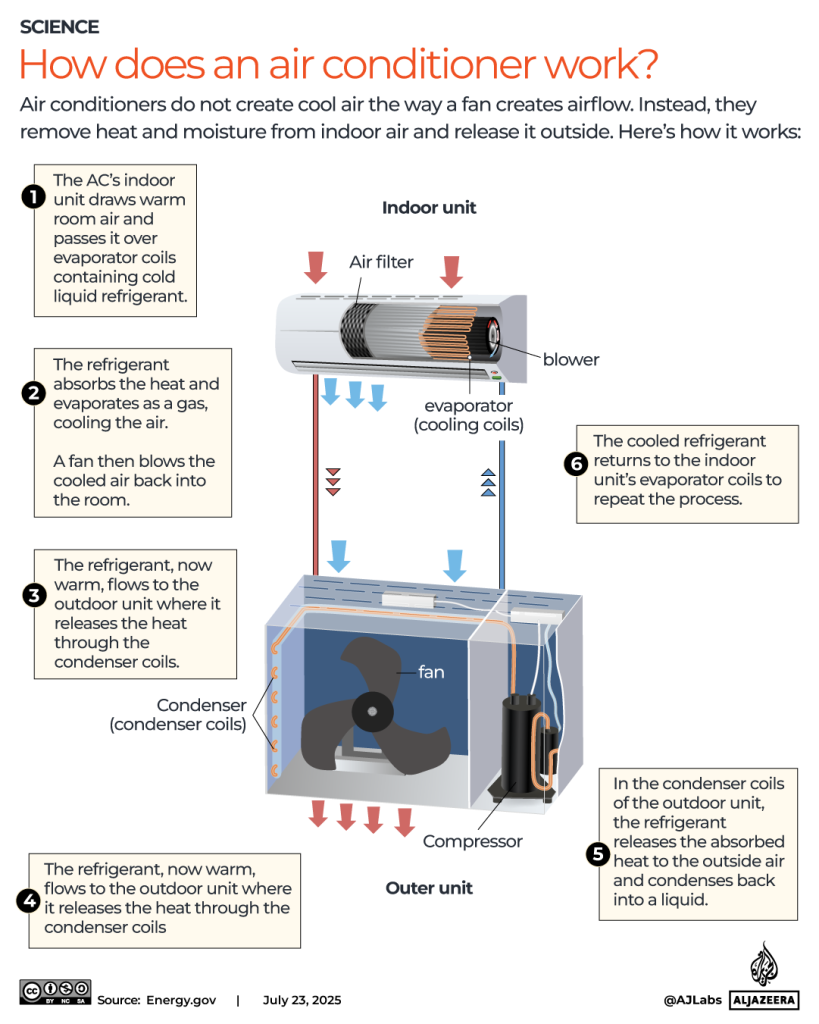
Air conditioners cool air by removing heatfrom inside a room. They use a special liquid called refrigerantto absorb and carry this heat away.
The basic cooling mechanismstarts when warm air from the room passes over cold coils filled with refrigerant. The refrigerant absorbs the heat, making the air cool.
The role of refrigerantsis very important. These liquids change from liquid to gas and back. This change helps take heat from the air and release it outside.
| Step | What Happens |
|---|---|
| Heat Absorption | Warm air hits cold refrigerant coils, heat moves to refrigerant. |
| Refrigerant Evaporation | Refrigerant changes from liquid to gas, carrying heat away. |
| Heat Release | Gas moves outside, cools down, and releases heat. |
| Refrigerant Condensation | Gas turns back to liquid to start again. |
The heat exchange processis key. It moves heat from inside the room to outside. This keeps your room cool and comfortable.
Factors Affecting Air Conditioner Temperature
The thermostat settingcontrols how cold the air conditioner cools. Setting it lower means the unit works harder. Setting it higher saves energy but cools less.
Outdoor temperatureaffects cooling. Hot days make the air conditioner work more. It might not get as cold inside if it’s very hot outside.
Air conditioner capacitymeans the size of the unit. A small unit cools less space well. A big unit cools larger rooms better.
Good insulationkeeps cool air inside. Poor insulation lets heat in. Room sizematters too. Bigger rooms need more cooling power.
Typical Temperature Range Of Air Conditioners
Air conditioners usually cool air between 60°F and 75°F. This range suits most homes and offices. The exact temperature depends on the model and room size.
The lowest temperaturean air conditioner can reach is around 55°F. Going colder can cause the system to freeze or shut down. Most units do not need to reach such low temperatures.
Air conditioners do not freeze rooms because they remove heat, not create cold. They balance temperature by circulating cool airand removing moisture. This keeps rooms comfortable without freezing.
Common Misconceptions About Ac Cooling
Air conditioners cool air but do not freeze it like freezers. Freezers reach much lower temperaturesto keep food frozen. AC units usually cool rooms to around 65 to 75 degrees Fahrenheit. They remove heat and moisture from the air to make you feel cooler.
Humidity plays a big role in how cool an AC feels. High humidity makes the air feel warmer, even if the temperature is low. ACs also reduce humidity, which helps the room feel more comfortable.
Many believe that running an AC uses huge amounts of power. While ACs do use electricity, modern units are more energy-efficient. Using a thermostat wisely and keeping doors closed can save energy and money.
Tips To Maximize Air Conditioner Cooling
Air conditioners usually cool air to around 60-70°F (15-21°C). Keeping doors and windows closed helps maintain this cool temperature longer. Regular filter cleaning improves airflow and boosts cooling efficiency.
Optimal Thermostat Settings
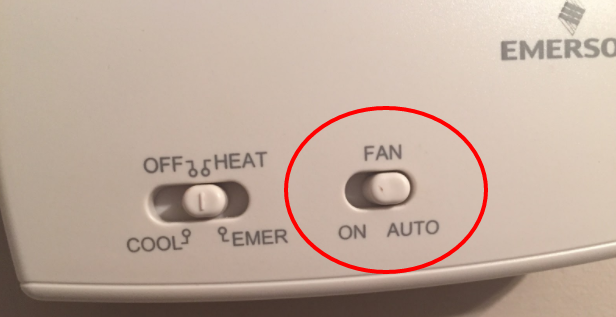
Set your thermostat to 78°F (25°C)for good cooling and energy saving. Avoid setting it too low; it won’t cool faster. Use a programmable thermostat to adjust temperatures when you are away. This helps save energy and keeps your home comfortable.
Regular Maintenance
Clean or replace AC filters every 1-2 months to keep air flowing well. Check the outdoor unit for debris and leaves. Schedule a professional tune-up each year to ensure your AC runs efficiently. Well-maintained units cool better and last longer.
Using Fans And Ventilation
Use ceiling fans to help spread cool air around the room. Fans use less energy than AC units. Keep windows and doors closed when the AC is running. Ventilate your home in early morning or late evening when it’s cooler outside.
Sealing And Insulating Spaces
Seal cracks around windows and doors to keep cool air inside. Use weather stripping or caulk to close gaps. Add insulation to walls and attics to reduce heat entering your home. Proper sealing and insulation help your AC cool more effectively.
Credit: www.aiellohomeservices.com
Advanced Cooling Technologies
Inverter ACsuse variable speed compressors to cool rooms quickly and save energy. They adjust power based on the room’s temperature. This keeps the room cooler for longerwithout turning the AC on and off repeatedly.
Smart Thermostatshelp control the AC remotely using a phone or voice commands. They learn your schedule and adjust the temperature automatically. This keeps the room comfortably coolwhile saving energy.
Eco-Friendly Refrigerantsreduce harm to the environment. They cool air effectively while lowering greenhouse gas emissions. These refrigerants make ACs better for the planetand often improve cooling performance.

Credit: thefurnaceoutlet.com
Frequently Asked Questions
How Cold Can An Air Conditioner Get?
Air conditioners typically cool indoor spaces to about 60-65°F (16-18°C). This temperature range is optimal for comfort. The exact temperature depends on the model and settings. Make sure your air conditioner is properly maintained for maximum efficiency.
What Factors Affect Air Conditioner Cooling?
Several factors influence cooling efficiency, including unit size, insulation, and outdoor temperature. Proper installation and regular maintenance are crucial. Dirty filters or coils can reduce cooling effectiveness. Ensure the unit matches your room size for optimal performance.
Why Is My Air Conditioner Not Cooling Well?
Poor cooling may result from dirty filters, low refrigerant, or blocked vents. Regular maintenance can prevent these issues. Check for obstructions and clean the filters. If problems persist, consult a professional for a thorough inspection and repair.
Can Air Conditioners Freeze Up?
Yes, air conditioners can freeze due to restricted airflow or low refrigerant levels. This usually occurs when filters are dirty or vents blocked. Regular maintenance can prevent freezing issues. If freezing occurs, turn off the unit and contact a technician.
Conclusion
Air conditioners cool the air to a comfortable level. The exact temperature depends on the model and settings. Most units lower room temperature by about 15 to 20 degrees Fahrenheit. Proper maintenance helps your AC work better and stay cold.
Remember, setting the thermostat too low does not cool faster. Keep doors and windows closed to save energy. A well-functioning AC keeps your home fresh and cool all day. Choose the right unit for your space to enjoy cool comfort.