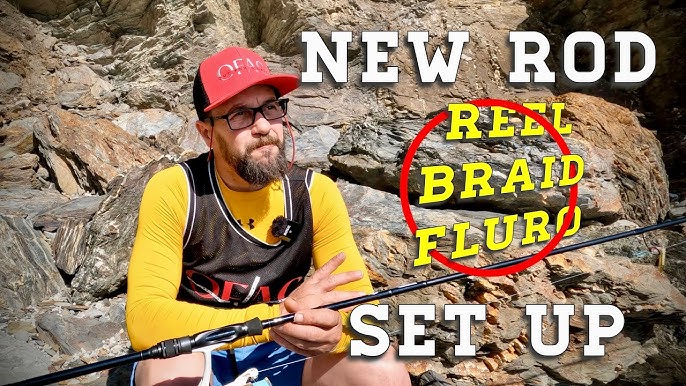
Getting your new fishing rod ready can feel tricky at first, but you’re closer to catching that big fish than you think. Imagine the excitement of casting your line perfectly every time, feeling confident and in control.
This guide will walk you through each simple step to set up your fishing rod quickly and easily. By the end, you’ll know exactly what to do to get out on the water without delay. Ready to turn your new gear into your best fishing companion?
Let’s dive in.
Choosing The Right Rod
Picking the right fishing rod makes your fishing more fun and effective. The right rod helps you catch fish easier and keeps you comfortable.
This guide covers the types of rods, how to choose the right length and power, and how to match the rod with your fishing style.
Types Of Fishing Rods
There are several types of fishing rods. Each type suits different fishing needs and places.
- Spinning rods are easy to use and good for beginners.
- Baitcasting rods offer more control for experienced anglers.
- Fly rods are designed for fly fishing in rivers and streams.
- Trolling rods are strong and used for fishing from boats.
Selecting Rod Length And Power
Rod length affects casting distance and control. Power means how strong the rod is and how much weight it can handle.
| Rod Length | Best For | Notes |
| Short (6 feet or less) | Close fishing, accuracy | Easy to handle in tight spaces |
| Medium (6 to 7 feet) | General fishing | Good balance of distance and control |
| Long (7 feet or more) | Long casts, big fish | Better for open water fishing |
| Light Power | Small fish | More sensitive |
| Medium Power | Average size fish | Versatile use |
| Heavy Power | Large fish | Stronger and tougher |
Matching Rod With Fishing Style
Your fishing style guides the rod choice. Match the rod type, length, and power to your style for best results.
- For shore fishing, choose a longer rod for longer casts.
- For boat fishing, a shorter, stronger rod is easier to use.
- For fly fishing, use a flexible fly rod for casting light flies.
- For bass fishing, a medium power baitcasting rod works well.
Gathering Essential Equipment
Setting up a new fishing rod starts with having the right equipment. Choosing the correct tools makes fishing easier and more fun.
This guide will help you gather all essentials before you begin fishing with your new rod.
Fishing Reel Options
Pick a fishing reel that fits your rod and fishing style. The reel controls how you cast and retrieve the line.
There are several reel types, each for different uses and skill levels.
- Spinning reels are easy to use and good for beginners.
- Baitcasting reels offer more control for experienced anglers.
- Spincast reels are simple and low maintenance.
- Fly reels are for fly fishing and require special lines.
Fishing Line Selection
Choose a fishing line that matches your rod and the fish you want to catch. The line needs to be strong but flexible.
Common line types differ in strength and stretch.
- Monofilament line is affordable and easy to handle.
- Fluorocarbon line is less visible underwater and strong.
- Braid line is very strong and has little stretch.
Additional Accessories Needed
Besides the rod, reel, and line, you need other tools for a smooth fishing experience.
These accessories help with setup, safety, and catching fish.
- Hooks in various sizes for different fish.
- Sinkers or weights to help the bait sink.
- Bobbers or floats to see when fish bite.
- Pliers for removing hooks safely.
- Fishing tackle box to keep gear organized.
- Line cutters or scissors for trimming line.
Assembling The Rod And Reel
Setting up a new fishing rod is easy when you know the right steps. Start with attaching the reel securely to the rod.
Next, thread the fishing line through the guides on the rod. This helps the line run smoothly when casting.
Attaching The Reel
Hold the rod firmly and align the reel seat with the reel foot. Slide the reel foot into the seat carefully.
Tighten the reel seat by turning the locking mechanism clockwise. Make sure the reel is tight and does not move.
Threading The Line
Open the bail arm of the reel to allow the line to pass through. Start from the tip of the rod and guide the line through each guide.
- Pass the line through the tip-top guide first
- Then thread it through each guide down the rod
- Keep the line tight as you go
- Make sure the line is not twisted
Securing The Line To The Reel
Use the arbor knot to tie the line to the reel spool. This knot holds the line firmly during fishing.
| Step | Action |
|---|---|
| 1 | Wrap the line around the spool |
| 2 | Tie an overhand knot around the main line |
| 3 | Pull the knot tight against the spool |
| 4 | Trim the tag end of the line |
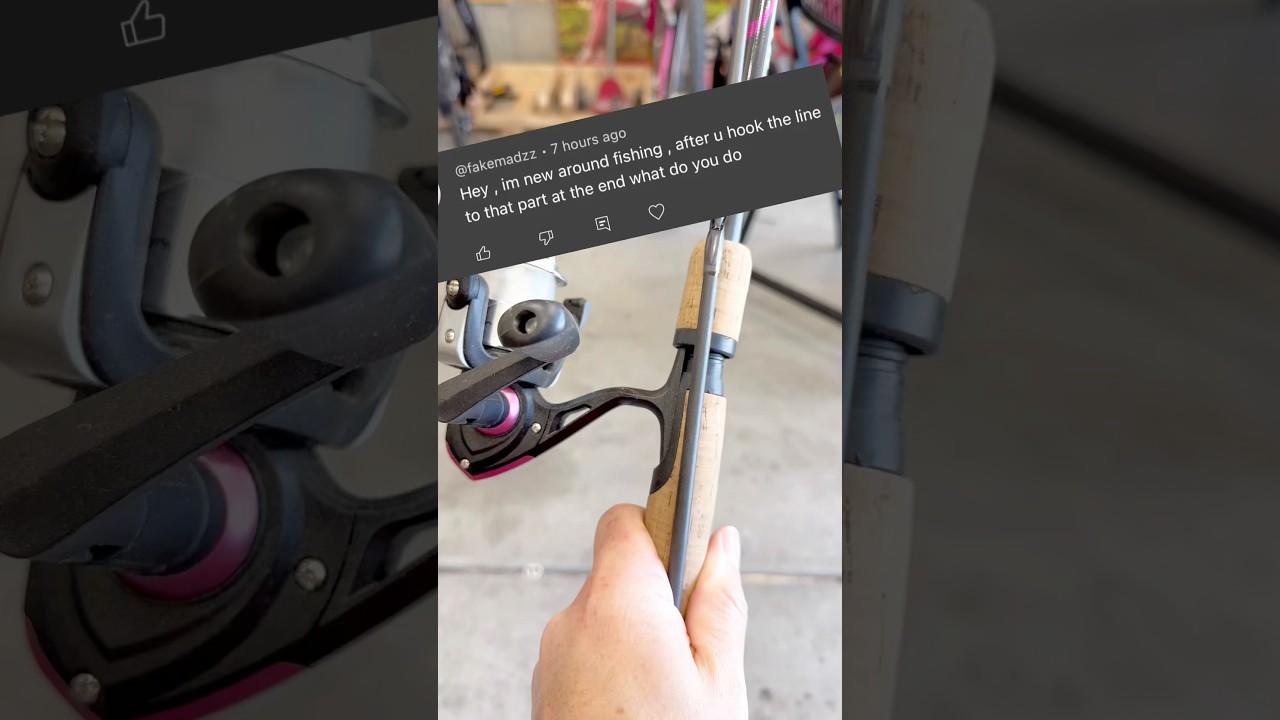
Credit: www.youtube.com
Tying Basic Fishing Knots
Tying fishing knots is an important skill for setting up your new fishing rod. Strong knots keep your line secure and help you catch fish more easily.
Here are three basic knots you should know: the Improved Clinch Knot, the Palomar Knot, and the Loop Knot for lures. Each has a specific use and is simple to learn.
Improved Clinch Knot
The Improved Clinch Knot is popular for tying your fishing line to hooks or lures. It is strong and easy to tie.
- Thread the line through the hook eye.
- Wrap the tag end around the standing line five times.
- Pass the tag end through the small loop near the eye.
- Pull the tag end through the big loop you just made.
- Moisten the knot and pull it tight.
Palomar Knot
The Palomar Knot is very strong and good for braided or monofilament lines. It works well for attaching hooks and lures.
- Double about six inches of line and pass it through the hook eye.
- Tie a loose overhand knot with the doubled line.
- Pass the hook through the loop of the overhand knot.
- Pull the loop over the hook.
- Moisten and pull both ends to tighten the knot.
Loop Knot For Lures
The Loop Knot creates a loop that allows lures to move freely. This makes your lure act more naturally in the water.
| Loop Knot Type | Use | Key Benefit |
|---|---|---|
| Non-Slip Loop Knot | For large lures | Keeps lure movement natural |
| Simple Loop Knot | For small lures | Easy to tie quickly |
Setting Up The Rod For Casting
Setting up your fishing rod correctly helps you cast better. A good setup makes fishing easier and more fun.
This guide shows how to adjust the drag, balance the rod, and attach hooks and baits.
Adjusting The Drag
The drag controls how much the fish can pull the line. Adjust it to avoid breaking the line.
Turn the drag knob to set the right resistance. It should be tight but allow some line to come off.
- Start with a loose drag
- Tighten it slowly while testing
- Adjust if the line slips too much or breaks
Balancing The Rod
Balance helps you cast farther and control the rod better. Hold the rod and check its weight.
Adjust the position of the reel or add weights if needed. The rod should feel steady and easy to handle.
- Hold rod near reel seat
- Move reel to find balance point
- Add small weights if rod tips forward or back
Attaching Hooks And Baits
Attach hooks securely to prevent losing fish. Tie knots firmly but not too tight to weaken the line.
Choose bait that matches your target fish. Attach bait so it looks natural in the water.
- Use strong knots like improved clinch knot
- Check hook size for the fish you want
- Hook bait to allow movement

Credit: www.youtube.com
Maintenance Tips For Longevity
Keeping your fishing rod in good shape helps it last longer. Regular care prevents damage and keeps it ready for use.
Follow simple steps for cleaning, storing, and checking your rod and reel. These small actions protect your gear and improve performance.
Cleaning The Rod And Reel
After fishing, rinse your rod and reel with fresh water. This removes salt, dirt, and grime that can cause wear.
- Use a soft cloth or sponge for cleaning.
- Apply mild soap if needed to remove sticky residue.
- Dry all parts completely before storing.
- Lubricate reel parts according to the manufacturer’s instructions.
Storing Equipment Properly
Store rods and reels in a dry place away from direct sunlight. Proper storage prevents warping and corrosion.
| Storage Tip | Reason |
| Keep rods upright or horizontal on racks | Prevents bending or warping |
| Store reels in cases or covers | Keeps dust and moisture out |
| Avoid damp or hot areas | Prevents rust and damage |
| Remove lines if storing long-term | Reduces tension and wear on rod guides |
Regular Inspections And Repairs
Check your fishing rod and reel often for damage. Fix small issues before they get worse.
- Look for cracks or chips on the rod blank.
- Check guides and tip tops for breaks or bends.
- Test reel drag and handle for smooth operation.
- Replace worn or damaged parts quickly.

Credit: fishingbooker.com
Frequently Asked Questions
How Do I Choose The Right Fishing Rod?
Choosing the right fishing rod depends on the type of fishing and target species. Consider the rod’s length, action, and power. Match these with your fishing environment and the fish size. For beginners, a medium power, fast action rod is versatile and effective for most freshwater fishing.
What Are The Parts Of A Fishing Rod?
A fishing rod comprises several parts: the handle, reel seat, blank, guides, and tip. The handle provides grip; the reel seat holds the reel. The blank is the main rod body, and guides direct the line. The tip is the rod’s end, offering sensitivity to bites.
How Do I Attach A Reel To The Rod?
To attach a reel, first align it with the rod’s reel seat. Slide the reel foot into the seat, then tighten the reel seat’s locking mechanism. Ensure it’s securely fastened to prevent movement during casting. Proper attachment ensures efficient casting and reduces the risk of reel damage.
How Do I String A Fishing Rod?
Stringing a fishing rod involves threading the fishing line through each guide. Start from the tip and move towards the reel. Ensure the line is taut and free from twists. Attach the line to the reel, then spool it evenly.
Proper stringing ensures smooth casting and retrieval.
Conclusion
Setting up a new fishing rod is simple and fun. Follow the steps carefully and take your time. Make sure the line is tight and the reel moves smoothly. Check the guides and attach the hook safely. Practice casting a few times to get comfortable.
Enjoy your fishing trip with confidence and patience. Fishing becomes more enjoyable with a well-prepared rod. Keep learning and trying new techniques each time. Happy fishing!