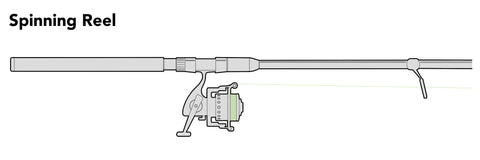
Are you ready to make your next fishing trip more successful? Knowing how to install fishing line on a spinning reel is a skill every angler needs.
If your line isn’t set up correctly, you could face tangled messes or missed catches. But don’t worry—this guide will walk you through the steps in a simple way, so you can get your reel ready fast and fish with confidence.
Keep reading, and you’ll soon master the trick that can save you time and frustration on the water.
Choose The Right Line
Choosing the right fishing line helps you catch fish more easily. It also makes your fishing experience better and more fun.
There are different types of fishing lines, strengths, and materials. Knowing these helps you pick the best line for your spinning reel.
Types Of Fishing Line
You can find three main types of fishing lines. Each type works best in certain fishing situations and for different fish.
- Monofilament: Easy to handle and stretch, good for beginners.
- Fluorocarbon: Hard to see underwater and sinks fast.
- Braid: Very strong and thin, good for heavy cover.
Selecting Line Strength
Line strength is called “pound test.” It shows how much weight the line can hold before breaking.
| Fish Type | Recommended Pound Test |
| Small Panfish | 2-6 lbs |
| Bass and Trout | 6-12 lbs |
| Walleye and Catfish | 10-20 lbs |
| Large Saltwater Fish | 20+ lbs |
Consider Line Material
Pick line material based on fishing conditions and your reel type. The material affects how the line feels and performs.
Material traits:
- Monofilament:Soft, stretches well, easy to knot.
- Fluorocarbon:Dense, low visibility, abrasion resistant.
- Braid:No stretch, very strong, thin diameter.

Credit: www.youtube.com
Prepare The Spinning Reel
Preparing your spinning reel is important before installing new fishing line. It helps the reel work smoothly and last longer.
This guide will show you how to get your reel ready step by step.
Remove Old Line
Start by removing the old fishing line from the spool. This clears space for the new line.
Cut the line near the spool and pull it off carefully to avoid tangles.
Inspect The Reel
Check the reel for any damage or dirt. Clean it if you see dust or debris.
Look at the bail arm and drag system to make sure they work well.
- Check for cracks or wear
- Clean with a soft cloth
- Test the bail arm movement
- Turn the handle to check smoothness
Attach The Reel To The Rod
Secure the spinning reel to the fishing rod before adding the line. This gives better control.
Slide the reel foot into the rod’s reel seat and tighten the locking ring firmly.
- Align the reel foot with the seat
- Turn the locking ring clockwise
- Make sure the reel is tight and stable
Attach The Line To The Spool
Attaching the fishing line to the spool is the first step in preparing your spinning reel. It ensures the line stays secure during casting and retrieval.
Follow these steps carefully to get a strong connection between the line and the spool. This will help you fish without line slippage or tangles.
Thread The Line Through Guides
Start by pulling the line from your fishing spool. Pass it through the rod guides, starting at the tip and moving down toward the reel.
- Hold the reel steady in one hand.
- Thread the line through each guide carefully.
- Make sure the line runs smoothly without twists.
- Leave enough line free to tie the knot on the spool.
Tie The Arbor Knot
The arbor knot is strong and simple. It keeps the line firmly attached to the spool’s center.
- Wrap the line around the spool’s arbor.
- Tie an overhand knot around the main line.
- Tie a second overhand knot at the loose end.
- Pull both knots tight against the spool.
Secure The Knot
| Action | Reason |
|---|---|
| Moisten the knot before tightening | Reduces friction and strengthens the knot |
| Pull the line slowly and firmly | Ensures the knot tightens correctly |
| Trim the tag end close to the knot | Prevents loose ends from catching or unraveling |
Spool The Line Properly
Installing fishing line on a spinning reel is key for good fishing. Spooling the line right helps avoid problems like tangles and knots.
Follow these tips to spool your line properly. This will make your fishing experience smoother and more fun.
Maintain Proper Tension
Keep the fishing line tight while spooling. Proper tension stops loose loops that can cause tangles.
Ask a friend to hold the line spool or use a cloth to add friction. This helps keep steady pressure on the line.
Wind The Line Evenly
Wrap the line evenly across the spool. Spread the line side to side to avoid bunching in one spot.
Move the line guide slowly with your hand. This helps fill the spool smoothly and prevents tangles.
Fill To Recommended Capacity
Do not overfill the spool with line. Filling to the right level keeps casting smooth and reduces line breakage.
- Stop spooling about 1/8 inch from the spool edge
- Check your reel manual for exact capacity
- Too much line can cause tangles and knots
Finish And Test
After winding the fishing line onto your spinning reel, it’s important to finish and test your setup. This ensures the line works well and stays secure during fishing.
Check the line carefully and make sure everything is smooth before you start fishing.
Cut Excess Line
Use sharp scissors to cut the extra fishing line from the reel. Leave about a quarter inch to prevent the line from slipping.
Cutting too close may cause the line to come loose. Cutting too far wastes line and may tangle.
Check For Twists
Twisted line can cause tangles and reduce casting distance. Hold the rod and let the line hang freely to see if it twists.
- Look for loops or kinks in the line
- Rotate the reel slowly to see if the line twists
- Remove twists by rewinding the line if needed
Test The Reel Action
Turn the reel handle to check smoothness. The reel should turn easily without noise or resistance.
Pull the line gently to test the drag system. It should release line smoothly under pressure.

Credit: www.youtube.com
Tips For Maintenance
Keeping your spinning reel in good shape helps it last longer. Regular care improves your fishing experience.
Follow simple steps to maintain your fishing line and reel. This guide covers line replacement, cleaning, and storing.
Regular Line Replacement
Fishing line wears out over time. Replace it often to avoid line breaks during fishing.
- Check the line for cracks or frays before each use.
- Replace the line at least once every six months.
- Use the right line weight for your reel and fishing style.
- Wind the new line tightly and evenly on the spool.
Cleaning The Reel
Cleaning your reel removes dirt and salt that cause damage. Clean after every fishing trip.
| Cleaning Step | Details |
| Rinse | Use fresh water to rinse the reel gently. |
| Dry | Wipe with a soft cloth to remove moisture. |
| Lubricate | Apply reel oil to moving parts. |
| Inspect | Check for any damage or loose screws. |
Storing The Rod And Reel
Proper storage protects your gear from damage and wear. Store in a cool, dry place.
- Loosen the drag to prevent pressure on the reel.
- Keep the rod vertical or horizontal without bending.
- Use rod holders or cases for safe storage.
- Avoid direct sunlight or damp areas.

Credit: www.reddit.com
Frequently Asked Questions
How Do I Choose The Right Fishing Line?
To choose the right fishing line, consider the type of fish you’re targeting. Choose between monofilament, fluorocarbon, or braided lines. Each offers different benefits like flexibility, sensitivity, and strength. Match the line’s strength with your fishing conditions for optimal performance.
What Tools Do I Need To Install Fishing Line?
To install fishing line on a spinning reel, you’ll need a pair of scissors and a pencil. The scissors will help cut the line, and the pencil will assist in keeping the spool steady. Having these tools ready will ensure a smooth installation process.
How Much Line Should I Spool Onto The Reel?
You should fill your spinning reel until it’s about 1/8 inch from the edge. Avoid overfilling, which can cause tangles. Underfilling can reduce casting distance. Check your reel’s manual for specific recommendations and ensure you have enough line for your fishing needs.
What Is The Best Knot For Attaching The Line?
The Arbor Knot is often recommended for attaching the fishing line to a spinning reel. It’s simple, strong, and secure. Ensure the knot is tied tightly to prevent slipping. Practicing this knot will make the installation process easier and more efficient.
Conclusion
Installing fishing line on a spinning reel is simple and quick. Follow each step carefully and take your time. Make sure the line is tight and properly secured. Check for any twists or tangles before you start fishing. A well-loaded reel helps you cast farther and fish better.
Practice a few times to feel confident. Enjoy your time on the water with your ready gear. Fishing becomes more fun when your reel works smoothly. Keep your line fresh and replace it when needed. Ready to catch some fish!