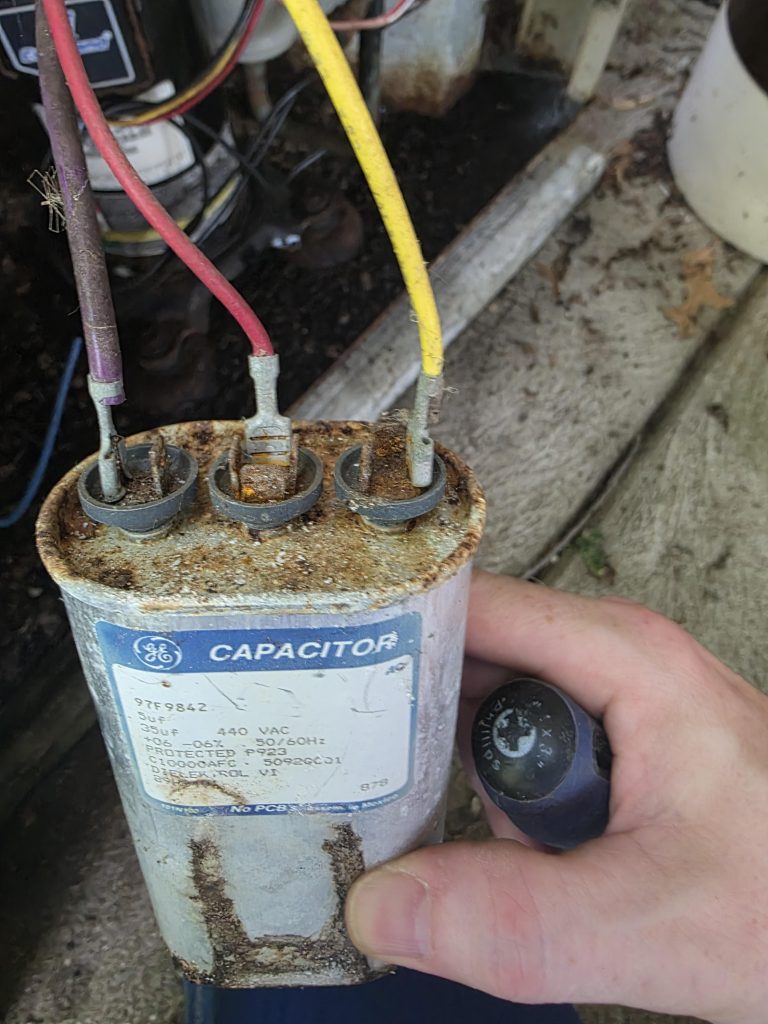
Have you ever wondered why your air conditioner suddenly stops working or struggles to cool your home? One common culprit behind these issues is a bad air conditioner capacitor.
If you’ve noticed your AC acting up, understanding why these small but powerful parts fail can save you time, money, and frustration. You’ll discover the main reasons air conditioner capacitors go bad and how catching these signs early can keep your cool all summer long.
Keep reading to protect your comfort and avoid unexpected breakdowns!
Role Of Capacitors In Ac Units
Capacitorsin air conditioners help start and run motors smoothly. They store and release electric energy quickly. This energy boost helps the motor begin spinning and keeps it running efficiently.
Two main types of capacitors are used in AC units:
- Start Capacitors:Provide extra power to start the motor.
- Run Capacitors:Help the motor run steadily after it starts.

Credit: www.reddit.com
Common Causes Of Capacitor Failure
Electrical overloadshappen when too much current passes through the capacitor. This causes it to heat up and fail.
Heat and temperature stresscan weaken the capacitor’s parts. High heat makes the materials inside break down faster.
Age and wearcause capacitors to lose their ability to hold charge. Over time, they become less effective and may stop working.
Moisture and contaminationcan enter the capacitor and cause rust or shorts. This damages the internal parts and leads to failure.
Manufacturing defectsare rare but possible. Poor quality or mistakes during making can cause early failure.
Signs Of A Bad Capacitor
AC won’t start or runs poorlyif the capacitor is bad. The motor may struggle or fail to turn on. This leads to poor cooling and higher energy use.
Unusual noiseslike humming, buzzing, or clicking can signal capacitor trouble. These sounds come from the motor trying to start without enough power.
A swollen or leaking capacitoris easy to spot. It looks bulged or has oily spots. This means it is damaged and needs replacement.
Frequent tripping of breakerscan happen when a capacitor fails. The electrical system overloads because the motor pulls too much current.
Testing And Diagnosing Capacitors
A multimeterhelps check if a capacitor works well. Set the meter to measure capacitance. Touch the leads to the capacitor’s terminals. A good capacitor shows a reading close to its labeled value. No reading or a very low one means the capacitor is bad.
Look at the capacitor carefully. Check for signs like bulging, leaks, or burn marks. These are clear signs it needs replacing. Also, listen for a hummingsound from the air conditioner, which may mean capacitor trouble.
- Call a professional if unsure about testing safely.
- Capacitors store electricity; wrong handling can cause shocks.
- Professionals have tools and experience for accurate diagnosis.
- They can quickly replace faulty capacitors to avoid damage.
Solutions For Capacitor Issues
Replacing the capacitor is often the best fix. A bad capacitor can cause the air conditioner to stop working properly. Make sure to turn off the power before starting any work. Use a capacitor with the correct voltage and microfarad rating. This ensures the unit runs safely and efficiently.
Preventive maintenance helps avoid capacitor problems. Clean the unit regularly and check for signs of wear. Keep the area around the air conditioner free of dust and debris. Regular inspections can catch issues before they cause failure.
Choosing the right capacitor is key for long life. Match the capacitor’s specifications with the air conditioner’s needs. Using the wrong part can lead to early failure or poor performance. Always select capacitors from trusted brands or suppliers.

Credit: yarbroughandsons.com
Extending Capacitor Lifespan
Regular AC maintenancehelps keep capacitors working longer. Clean coils and change filters often. Dirt and dust make the unit work harder, wearing parts fast.
Protecting capacitors from heat and moistureis key. Too much heat can cause them to fail early. Moisture can cause rust and shorts. Keep the AC unit shaded and dry.
- Avoid electrical surgesby using surge protectors.
- Surges can burn out capacitors quickly.
- Turn off power during storms or when not in use long.
- Check wiring for damage to prevent shorts.

Credit: www.reddit.com
Frequently Asked Questions
What Causes Air Conditioner Capacitors To Fail?
Air conditioner capacitors can fail due to several factors, including age, electrical surges, and overheating. Over time, the internal components wear out, leading to reduced efficiency. Electrical surges can damage the capacitor’s structure, while constant overheating can degrade its performance.
Regular maintenance can help mitigate these issues and prolong the capacitor’s lifespan.
How Can You Tell If A Capacitor Is Bad?
A faulty capacitor may cause the air conditioner to emit a humming sound or struggle to start. You might also notice the unit shutting off unexpectedly or not cooling effectively. Additionally, a visual inspection may reveal a swollen or leaking capacitor.
Professional diagnosis is recommended for accurate identification.
How Long Do Air Conditioner Capacitors Last?
Typically, air conditioner capacitors last between 10 to 20 years, depending on usage and maintenance. Factors like frequent power surges, overheating, and poor maintenance can shorten their lifespan. Regular servicing and immediate attention to any unusual signs can help extend the life of the capacitor and ensure optimal performance.
Can A Bad Capacitor Damage An Air Conditioner?
Yes, a bad capacitor can damage an air conditioner by causing the motor to overheat and fail. This can lead to more extensive and costly repairs if not addressed promptly. Regular maintenance and timely replacement of a faulty capacitor can prevent further damage and maintain the efficiency of the air conditioning unit.
Conclusion
Air conditioner capacitors wear out due to heat and age. They work hard to start the motor and keep it running. Over time, their parts weaken and fail. Signs like a slow or noisy AC may mean a bad capacitor.
Regular checks help catch problems early. Fixing or replacing capacitors keeps your AC running smoothly. Taking care of these small parts saves money and avoids big repairs. Remember, a well-maintained AC cools better and lasts longer. Keep an eye on your capacitor for a cool, comfortable home.