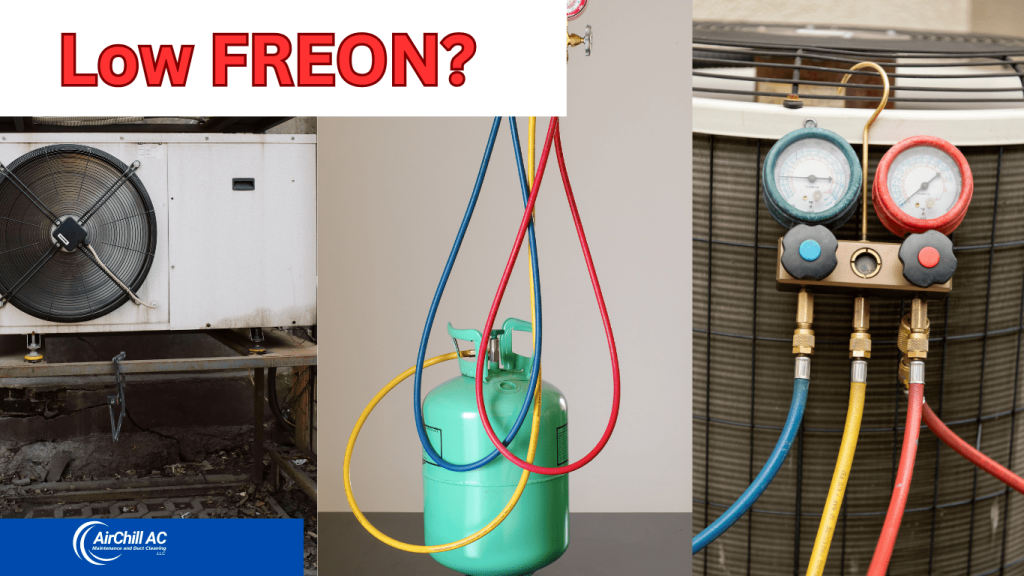
Is your air conditioner not cooling like it used to? You might be dealing with low refrigerant, a common issue that can make your home uncomfortable and your energy bills rise.
Knowing how to check for low refrigerant in your air conditioner can save you time, money, and hassle. You’ll discover simple signs to watch for and easy steps to identify if your AC needs a refrigerant boost. Keep reading to take control of your cooling system and keep your home comfortable all year long.
Signs Of Low Refrigerant
Reduced cooling efficiencymeans the air conditioner takes longer to cool the room. The air may not feel as cold as before. This happens because low refrigerant cannot absorb heat well.
Ice formation on coilslooks like frost or ice on the AC’s pipes. This happens when the refrigerant is too low to keep the coils warm. Ice blocks air flow and lowers cooling.
Hissing or bubbling soundscan come from leaks in the system. These noises are signs that refrigerant is escaping. Such sounds should not be ignored.
Increased energy billshappen when the AC works harder to cool the space. Low refrigerant forces the system to run longer, using more electricity and raising costs.

Credit: morelliair.com
Tools Needed For Checking Refrigerant
Checking refrigerant in an air conditioner needs some key tools. A pressure gaugemeasures the pressure inside the system. It shows if the refrigerant is too low or too high.
A thermometerhelps check the temperature of the air coming out of the vents. This can hint at refrigerant problems if the air feels too warm.
A leak detectoris useful to find tiny holes where refrigerant could escape. It saves time and stops bigger problems.
Using protective gearlike gloves and goggles keeps you safe. Refrigerants and tools can be harmful without protection.
Steps To Check Refrigerant Levels
Turn off the power to the air conditioner to stay safe. This prevents any accidents during the check.
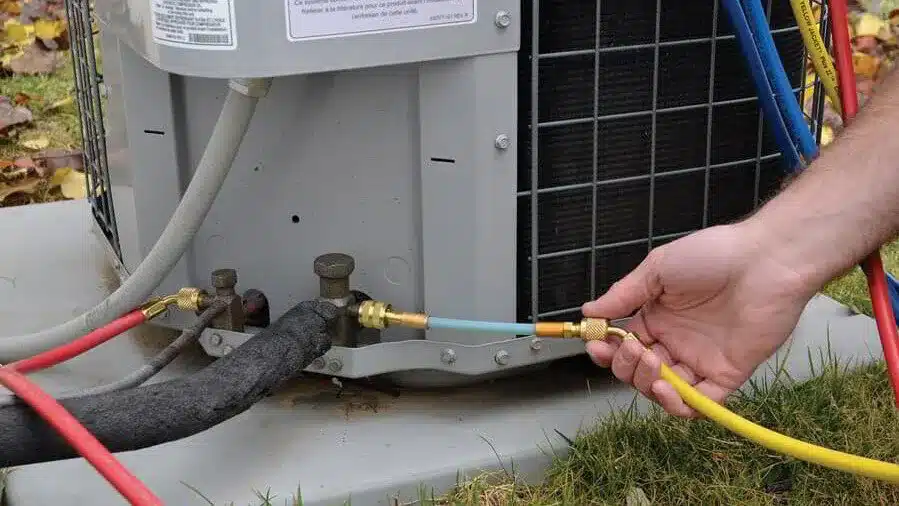
Locate the service valves on your AC unit. These valves let you attach the pressure gauges.
Connect pressure gauges to the service valves. Use the correct gauges for your AC model.
Read the pressure levels on the gauges carefully. Note the numbers shown on both low and high sides.
Compare the pressure readings with the manufacturer’s specifications. This info is usually in the user manual or on a label.
Low pressure means the refrigerant may be low or leaking. High or normal pressure means the refrigerant level is okay.
Credit: vernonairconditioning.com
Detecting Refrigerant Leaks
Check the air conditioner for oily stains or frost on pipes. These spots show where refrigerant might be leaking. Look closely around the coil and valves.
Use a leak detector device to find gas leaks. It senses refrigerant escaping into the air. Move the detector slowly over all parts.
Soap bubble test is a simple way to spot leaks. Mix soap and water, then apply it on suspected areas. Bubbles form where gas escapes.
- Visual Inspection: Look for frost or oily marks on pipes.
- Leak Detectors: Use a tool to sense escaping refrigerant gas.
- Soap Bubble Test: Apply soap water; bubbles show leaks.
When To Call A Professional
Handling refrigerant requires special toolsand training. It is harmful to breathe and can cause frostbite. Only certified techniciansknow how to handle it safely.
Complex repairs often involve checking for leaks and refilling refrigerant. These tasks need expert skillsand equipment. Mistakes can damage the system or cause health risks.
Many places have strict rules about refrigerant use. Professionals must follow these rules and have proper certifications. This ensures safety and legal compliance.

Credit: www.lochardplumbingheatingandcooling.com
Preventing Refrigerant Loss
Regular maintenance keeps your air conditioner working well. It helps find small problems before they grow. Cleaning filters and coils improves cooling and stops refrigerant loss.
Sealing leaks early stops refrigerant from escaping. Check pipes and connections often. Use proper sealants to close any holes or cracks.
Proper system installation is key. A well-installed AC prevents leaks and saves energy. Make sure the unit fits your space and follows the manual’s guidelines.
Frequently Asked Questions
How Can I Tell If My Ac Refrigerant Is Low?
If your AC isn’t cooling effectively or you hear hissing sounds, refrigerant might be low. Check for ice on the evaporator coil or higher energy bills. These are common signs of low refrigerant levels in your air conditioner.
What Happens If Ac Refrigerant Is Low?
Low refrigerant can cause insufficient cooling, increased energy consumption, and potential damage to the compressor. It can also lead to higher electricity bills. Addressing the issue promptly can prevent further complications and maintain efficient AC performance.
Can Low Refrigerant Damage My Air Conditioner?
Yes, low refrigerant can harm your air conditioner. It can lead to overheating and compressor failure. This might result in costly repairs or replacement. Regular maintenance checks can help avoid such issues and ensure optimal AC functionality.
How Often Should I Check Ac Refrigerant Levels?
Check refrigerant levels annually during routine maintenance. Regular checks help ensure optimal performance and early detection of leaks. If your AC shows signs of inefficiency, consider a refrigerant check sooner. Maintaining the right levels can prolong your AC’s lifespan.
Conclusion
Checking for low refrigerant in your air conditioner keeps it working well. Watch for signs like weak cooling or strange noises. A simple pressure check can help spot leaks early. Fixing issues fast saves money and avoids bigger problems. Regular maintenance keeps your home cool and comfortable.
Stay alert to changes in your AC’s performance. Taking small steps now prevents costly repairs later. Keep your air conditioner running smoothly all season long.