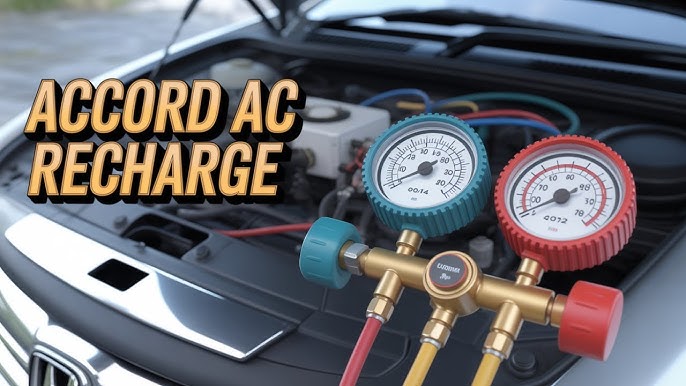
Is your car’s air conditioner not blowing cold air like it used to? You might be dealing with low refrigerant, and knowing how to charge your car’s AC can save you time and money.
Imagine cruising on a hot day with cool, refreshing air flowing through your vents—sounds great, right? You’ll discover simple steps to recharge your car’s air conditioner safely and effectively. Keep reading to learn how you can bring back that chill without needing expensive repairs.
Signs Your Ac Needs Charging
Car air conditioning feels weak or blows warm air when it needs charging. Notice if cooling slows or strange noises appear inside the vents. These signs mean the AC system might be low on refrigerant and requires a recharge.
Reduced Cooling Performance
Air conditioner cools lessthan before. The air feels warmer. You may notice the car takes longer to cool down. This often means the AC gas is low.
Unusual Noises
Strange sounds like hissing or rattlingcome from the AC. These noises can show a leak or low gas. It is a sign the system needs attention.
Warm Air Blowing
Instead of cold air, the AC blows warm or hot air. This is a clear sign of low refrigerant. The system cannot cool without enough gas.

Credit: m.youtube.com
Tools And Materials Needed
A refrigerant canholds the gas needed to charge the air conditioner. Choose the correct type for your car model. A pressure gaugehelps to check the air conditioner’s pressure. It shows if the system needs more refrigerant or not. Using safety gearlike gloves and goggles is very important. It protects your skin and eyes from harmful chemicals. Always wear safety gear before starting work. These tools and materials make the charging process safe and easy.
Locate The Ac Service Ports
The high-pressure portis usually smaller and found on the thicker aluminum tube. It is near the car’s condenser, often in front of the radiator. This port handles the refrigerant under high pressure.
The low-pressure portis larger and located on the larger diameter tubing. It connects to the evaporator side of the system. This port is where you add refrigerant safely and is key for charging the AC.
| Port Type | Size | Location | Purpose |
|---|---|---|---|
| High-Pressure Port | Smaller | Near condenser, front of radiator | Handles high-pressure refrigerant |
| Low-Pressure Port | Larger | Near evaporator, larger tubing | Used to add refrigerant safely |

Credit: www.youtube.com
Check Refrigerant Levels
Pressure gaugeshelp check your car air conditioner’s refrigerant levels. Connect the gauge to the low-pressure service port. Read the pressure shown on the gauge. This number shows how much refrigerant is inside the system.
Compare the pressure reading with the manufacturer’s specifications. These specs tell you the correct pressure your AC should have. You can find them in your car’s manual or online. If the pressure is too low, the refrigerant might be low. If it is too high, there could be a problem with the system.
Always use the right gauge type and check both low and high pressure sides if possible. This helps find any leaks or blockages. Safety first: wear gloves and goggles while working with refrigerant.
Step-by-step Charging Process
Before charging, make sure the can of refrigerant is at room temperature. Shake the can gently to mix the contents well. Remove the cap carefully without damaging the valve.
Find the low-pressure port in the car’s AC system. It usually has a smaller diameter and a cap labeled “L” or “Low.” Connect the hose of the refrigerant can to this port securely.
Start the car and turn on the AC to the highest cool setting. Slowly open the valve on the can to release refrigerant into the system. Keep the can upright to avoid liquid refrigerant entering the system.
Use a pressure gauge to watch the pressure levels closely. The ideal pressure varies by car model but usually falls between 25-45 psi. Stop adding refrigerant once the pressure is in the safe range.

Credit: www.amazon.ca
Safety Precautions
Avoid overchargingthe air conditioner. Too much refrigerant can damage the system. It lowers cooling power and may cause leaks.
Handle refrigerant carefully.It is harmful to skin and eyes. Use gloves and goggles for protection. Never inhale refrigerant gas.
Work in a ventilated area. Good airflow helps reduce health risks from refrigerant fumes. It also prevents buildup of gas inside the car.
When To Seek Professional Help
Persistent cooling issuesmay signal a deeper problem. If your car’s AC still blows warm air after charging, it needs a professional check.
Leaks or damaged componentscan cause refrigerant loss. Signs include oily spots or hissing sounds near AC parts. Fixing leaks requires special tools and knowledge.
Lack of proper toolsmakes DIY AC charging risky. Professionals have gauges and vacuum pumps to handle refrigerant safely and correctly.
- Professional help ensures correct refrigerant levels.
- Prevents damage to AC system.
- Keeps you safe from harmful chemicals.
Frequently Asked Questions
How To Know If My Car Ac Needs Charging?
If your car’s AC isn’t blowing cold air, it may need a recharge. Another sign is if the AC takes longer than usual to cool the car. Regular inspections can also help. A mechanic can confirm if the refrigerant levels are low.
Can I Charge My Car Ac Myself?
Yes, you can charge it yourself, but caution is advised. Purchase a DIY recharge kit from an auto store. Follow the instructions carefully. Ensure you have the correct refrigerant type. If unsure, it’s best to consult a professional.
How Often Should Car Ac Be Recharged?
Typically, every two to three years is recommended. However, it depends on usage and system condition. Frequent checks can help detect low refrigerant early. Always consult your vehicle’s manual for specific guidelines.
What Tools Are Needed To Charge Car Ac?
You’ll need a recharge kit, which includes a refrigerant canister and gauge. A thermometer is helpful to measure the air temperature. Protective gloves and eyewear are also recommended. Proper tools ensure a safe and efficient recharge process.
Conclusion
Charging your car’s air conditioner keeps it cool and comfortable. Check the refrigerant level carefully before starting. Use the right tools and follow safety steps. Avoid overcharging to protect the system. Regular maintenance helps your AC last longer. A properly charged AC means better driving comfort.
Stay safe and take your time with the process. Your car will thank you with cool air on hot days. Keep this guide handy for easy AC charging anytime.