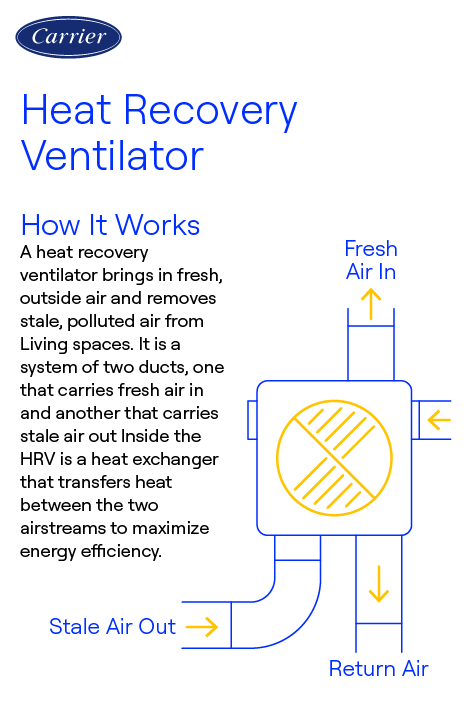
Have you ever wondered how your home can stay fresh and comfortable without wasting energy? A Heat Recovery Ventilation (HRV) system might be the secret you’re missing.
It works quietly behind the scenes, making sure your indoor air feels clean while saving you money on heating and cooling. You’ll discover exactly how an HRV system works and why it could be the smart upgrade your home needs.
Keep reading—understanding this simple technology could change the way you breathe inside your own space.
Credit: bossplumbingltd.com
Heat Recovery Ventilation Basics
A heat recovery ventilation system helps bring fresh air into a building. It also removes stale air without wasting energy.
The system uses heat from the outgoing air to warm the incoming air. This keeps indoor air fresh and comfortable.
Purpose And Benefits
The main purpose is to improve indoor air quality while saving energy. It helps reduce heating and cooling costs.
It also lowers humidity and removes pollutants from the air. This makes homes and offices healthier to live and work in.
- Provides fresh air without losing heat
- Reduces energy bills by recycling heat
- Removes moisture and indoor pollutants
- Improves comfort and air quality
Core Components
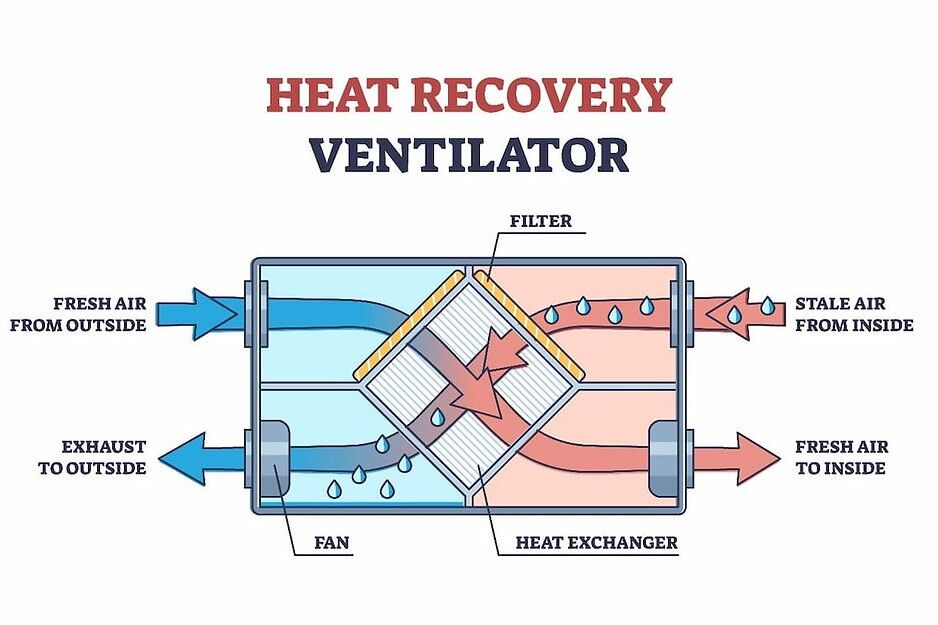
A heat recovery ventilation system has several key parts. These work together to exchange heat between outgoing and incoming air.
- Heat exchanger:Transfers heat from outgoing to incoming air
- Fans:Move fresh air in and stale air out
- Filters:Clean dust and particles from the air
- Ductwork:Carries air to and from rooms
Each part helps the system work efficiently to keep air clean and save energy.
Airflow Mechanism
A heat recovery ventilation system moves air efficiently in and out of a building. It controls airflow to maintain fresh air inside while removing stale air. This helps keep indoor air clean and balanced.
The system uses different pathways for exhaust air and fresh air. These pathways cross inside the unit, allowing heat to transfer. This process saves energy and improves air quality.
Exhaust Air Extraction
Stale, warm air from rooms like kitchens and bathrooms is pulled out through vents. This air carries moisture, odors, and pollutants away from the building. The exhaust air flows through a duct to the heat exchanger.
Fresh Air Intake
Fresh outside air enters the system through intake vents. This air is usually cooler and cleaner. The system directs it into the heat exchanger to warm it before sending it inside the building.
- Outside air passes through filters
- Air moves into the heat exchanger core
- Warmed air flows into living spaces
- Constant supply of fresh air improves comfort
Heat Exchange Process
The heat exchanger allows heat transfer between exhaust and fresh air streams. The two airflows do not mix but pass close to each other. This warms the incoming air using the heat from outgoing air.
| Airflow | Temperature Effect |
| Exhaust Air | Transfers heat out |
| Fresh Air | Gains heat before entering |
| Energy Use | Reduced by heat recovery |
Types Of Heat Recovery Systems
Heat recovery ventilation systems help keep air fresh and save energy. They move stale air out and bring fresh air in.
There are different types of heat recovery systems. Each type works in its own way to balance air flow and heat exchange.
Balanced Ventilation
Balanced ventilation systems use two fans. One fan brings fresh air in, the other pushes stale air out.
These systems recover heat from the outgoing air. The heat warms the incoming air without mixing the two air streams.
- Fresh and stale air flow are equal
- Heat exchanger transfers warmth between air streams
- Helps keep indoor air clean and energy efficient
Supply Ventilation
Supply ventilation systems bring fresh air into the house. They use a fan to push air inside.
The fresh air replaces stale air that escapes through leaks or vents. Heat recovery helps warm the incoming air.
- Uses fan to supply fresh air
- Stale air leaves through natural leaks
- Heat recovery warms the fresh air
Exhaust Ventilation
Exhaust ventilation systems remove stale air from inside. They use a fan to push air out of the house.
Fresh air enters through vents or leaks. The system recovers heat from the air being exhausted.
- Fan removes stale air
- Fresh air comes in naturally
- Heat recovery warms outgoing air
Energy Efficiency Factors
Heat recovery ventilation systems help save energy by reusing heat from inside the house. They bring fresh air while keeping warmth or coolness inside.
Understanding energy efficiency factors helps you get the most from these systems. Key parts include heat exchange efficiency, insulation, sealing, and fan power use.
Heat Exchange Efficiency
This shows how well the system transfers heat between outgoing and incoming air. Better efficiency means less energy is needed to heat or cool your home.
High-efficiency units recover most heat, reducing energy waste. The type of heat exchanger and materials affect this efficiency.
- Plate heat exchangers are common and efficient
- Rotary heat exchangers can recover moisture too
- Good design reduces heat loss during transfer
Insulation And Sealing
Proper insulation prevents heat loss from the system parts and ducts. Sealing stops air leaks that waste energy and lower system performance.
Well-insulated ducts keep air temperature steady. Tight sealing means fresh air does not mix with exhaust before heat is recovered.
- Use insulated ducts to keep air warm or cool
- Seal joints and openings to avoid leaks
- Check insulation regularly for damage
Fan Power Consumption
Fans move air through the ventilation system. Their power use impacts the total energy saved by heat recovery.
Energy-efficient fans use less electricity while keeping airflow steady. Variable speed fans adjust power based on need, saving more energy.
- Choose fans with high energy ratings
- Variable speed fans reduce power when less airflow is needed
- Regular maintenance keeps fans running efficiently
Installation And Maintenance
Installing and maintaining a heat recovery ventilation system helps keep your indoor air fresh. Proper setup and care ensure the system works efficiently for years.
This guide covers where to place the system, how to clean and replace filters, and the importance of regular inspections.
Placement Considerations
Choose a location that allows easy access for maintenance. The system should connect well with the home’s ductwork. Avoid placing it where it may get wet or blocked.
- Near the center of the home for balanced air flow
- A dry, ventilated area to prevent moisture damage
- Close to existing heating and cooling ducts
- Accessible for filter changes and inspections
Filter Cleaning And Replacement
Filters trap dust and particles to keep air clean. Clean or replace them regularly to maintain good airflow and system efficiency.
| Filter Type | Cleaning Frequency | Replacement Frequency |
| Standard Mesh Filter | Every 3 months | Every 12 months |
| HEPA Filter | Every 6 months | Every 24 months |
| Carbon Filter | Not Cleanable | Every 6 months |
System Inspections
Check the whole system at least twice a year. Look for leaks, blockages, and unusual noises. Fix issues quickly to avoid bigger problems.
- Turn off power before inspection
- Check air intake and exhaust vents
- Inspect ducts for dirt and damage
- Listen for unusual sounds during operation
- Ensure the heat exchanger is clean and working

Credit: en.wikipedia.org
Common Challenges
Heat Recovery Ventilation (HRV) systems help improve air quality. They exchange stale indoor air with fresh outdoor air. Despite their benefits, some challenges can affect their performance.
Understanding these challenges helps in maintaining the system well. It ensures the HRV works efficiently and lasts longer.
Condensation Issues
Condensation happens when warm air meets cold surfaces inside the HRV system. This moisture can cause damage and reduce air quality.
- Water buildup can block airways.
- Mold may grow in damp areas.
- Metal parts can corrode over time.
- Filters can get wet and clogged.
Proper insulation and regular cleaning reduce condensation problems. Drainage must be checked to avoid water pooling.
Noise Levels
Noise from the HRV system can disturb comfort at home. Fans and airflow may create unwanted sounds.
| Noise Source | Cause | Solution |
| Fan noise | Worn bearings or loose parts | Regular maintenance and lubrication |
| Airflow noise | Blocked or narrow ducts | Clean and widen ducts if needed |
| Vibration | Poor mounting | Secure installation with vibration pads |
System Balancing
Balancing means equal air comes in and goes out. Unbalanced systems waste energy and reduce comfort.
- Measure airflow in each room.
- Adjust dampers to control air volume.
- Check and fix any leaks in ducts.
- Test system after adjustments.
Proper balancing improves air quality and saves energy. It keeps the system running smoothly.
Impact On Indoor Air Quality
A Heat Recovery Ventilation (HRV) system helps bring fresh air inside. It removes stale air while saving energy.
This system improves indoor air quality by controlling moisture, reducing pollutants, and increasing comfort.
Moisture Control
HRV systems remove excess moisture from indoor air. This helps prevent mold and mildew growth.
By balancing humidity levels, HRVs keep the air fresh and dry. This protects your home and health.
Pollutant Reduction
HRV systems exchange indoor air with outside air. This lowers indoor pollutants like dust and allergens.
Filters in the system trap particles and reduce harmful gases, improving the air you breathe.
Comfort Improvements
HRV systems help keep indoor temperatures steady. They transfer heat between incoming and outgoing air.
This process makes rooms feel more comfortable without wasting energy on heating or cooling.
Choosing The Right System
Picking the right heat recovery ventilation system matters for your home’s comfort. It helps save energy and keeps fresh air flowing.
Think about your home’s needs before buying a system. This guide covers important factors to consider.
Home Size And Layout
The size and shape of your home affect the system you need. Big homes need more powerful units to move air well.
Open floor plans let air flow easier. Closed rooms may need vents in each area for good ventilation.
- Small homes: smaller units work best
- Large homes: choose systems with higher capacity
- Complex layouts: consider multiple vents or zones
Climate Considerations
Your local climate affects how your system works. In cold areas, a system that recovers heat well saves more energy.
Humid climates need systems that control moisture to keep indoor air comfortable and healthy.
- Cold climates: choose high heat recovery efficiency
- Hot climates: focus on systems that remove excess heat
- Humid climates: look for moisture control features
Budget And Efficiency
Set a budget before choosing a system. Higher efficiency models cost more but save money over time.
Look for energy-efficient units with good warranties. They reduce running costs and last longer.
- Low budget: basic models with moderate efficiency
- Mid budget: good efficiency and features
- High budget: top efficiency and advanced controls

Credit: www.heatrecoverydirect.com
Frequently Asked Questions
What Is A Heat Recovery Ventilation System?
A heat recovery ventilation system is a device that exchanges stale indoor air with fresh outdoor air. It recovers heat from the outgoing air and uses it to warm the incoming air. This process enhances energy efficiency and maintains indoor air quality, providing a comfortable and healthy living environment.
How Does It Improve Indoor Air Quality?
The system continuously replaces stale indoor air with fresh air, reducing pollutants and humidity. This exchange helps prevent mold growth and reduces allergens, ensuring a healthier indoor environment. By maintaining consistent air circulation, it also helps eliminate odors and keeps the air feeling fresh and clean.
Is A Heat Recovery System Energy Efficient?
Yes, it recovers heat from the outgoing air to preheat incoming air, reducing energy consumption. This process decreases the need for additional heating, leading to lower energy bills. By efficiently managing heat exchange, the system provides cost-effective ventilation without compromising on comfort or air quality.
Can It Reduce Heating Costs?
Yes, it recycles heat from exhausted air, reducing the need for additional heating. This heat recovery process minimizes energy consumption, leading to significant savings on heating costs. By maintaining a comfortable indoor temperature, it reduces reliance on traditional heating systems, promoting energy efficiency.
Conclusion
A heat recovery ventilation system helps keep indoor air fresh and clean. It saves energy by reusing heat from outgoing air. This system balances air flow and controls moisture well. It works quietly and needs little maintenance. Choosing the right system improves home comfort and air quality.
Understanding how it works makes decisions easier. Clean air and energy savings go hand in hand. A smart way to breathe better and save money.