
Your car’s tires are the only part that touches the road, so keeping them in good shape is crucial for your safety. But how often do cars need new tires?
You might think it depends only on mileage, but there’s more to it. Worn-out tires can lead to accidents, poor fuel efficiency, and costly repairs. You’ll discover clear signs to watch for, how to check your tires properly, and when it’s really time to replace them.
Keep reading to protect yourself, your passengers, and your wallet.
Tire Lifespan Basics
Tires are an important part of your car’s safety. Knowing when to replace them helps avoid accidents.
Tire lifespan depends on many things. Regular checks can keep you safe on the road.
Factors Affecting Tire Wear
Tires wear out faster or slower based on how you drive and the road conditions. Good care can make tires last longer.
- Driving style: fast starts and hard stops wear tires quickly
- Road surface: rough roads cause more wear than smooth roads
- Weather: hot weather can make tires wear faster
- Proper inflation: low or high tire pressure causes uneven wear
- Car maintenance: bad alignment or suspension harms tire life
Tread Depth And Its Importance
Tread is the part of the tire that touches the road. It helps your car grip the surface and avoid slipping.
When tread wears down, tires lose their grip. This makes driving unsafe, especially in rain or snow.
- New tires usually have 10/32 to 11/32 inches of tread depth
- Most experts say to replace tires at 2/32 inches
- Shallow tread causes longer stopping distances
- Good tread helps prevent hydroplaning on wet roads
Manufacturer Recommendations
Tire makers suggest replacing tires after a certain time or mileage. This keeps your car safe even if tires look fine.
Most tires last about 6 years or 50,000 miles. Check your tire label or manual for exact advice.
- Replace tires every 6 years, even if tread looks good
- Check tire wear and damage regularly
- Follow tire pressure and rotation guidelines
- Replace tires sooner if you drive a lot or on rough roads

Credit: www.consumerreports.org
Signs You Need New Tires
Tires wear out over time and need replacing to keep driving safe. Watching for signs helps you know when to get new tires.
Ignoring worn tires can cause accidents and damage your car. Check your tires often for these common signs.
Visible Tread Wear
Tread helps your tires grip the road. When the tread wears down, your tires lose traction.
Look for shallow tread or smooth spots. Use a penny test by placing a coin in the tread grooves.
- If the tread does not cover part of the coin, the tires need replacing.
- Most tires should have at least 2/32 inch tread depth for safety.
Cracks And Bulges
Cracks in the tire sidewalls can cause air leaks and blowouts. Bulges show weak spots in the tire.
Check your tires for any visible cracks or bubbles. These signs mean your tires are unsafe and need replacement.
Uneven Wear Patterns
Uneven wear means some parts of the tire wear faster than others. This can cause steering and safety problems.
Common causes are poor alignment, wrong tire pressure, or suspension issues. Look for worn spots on one side or patches.
- Wear on one edge means alignment problems.
- Center wear shows overinflation.
- Edge wear shows underinflation.
Loss Of Traction
Loss of traction makes it hard to stop or control your car, especially in rain or snow.
If your car slips or slides more than usual, check your tires. Worn tires reduce grip and increase accident risk.
Impact Of Driving Habits
Driving habits greatly affect how often your car needs new tires. Some habits cause faster tire wear, while others help tires last longer.
Understanding these habits can help you plan tire replacements and keep your car safe on the road.
City Vs Highway Driving
City driving often involves frequent stops and turns. This puts more stress on your tires. Highway driving usually means steady speeds and less braking. Tires last longer on highways.
- City driving causes quicker tire wear from braking and turning.
- Highway driving wears tires more evenly and slowly.
- Stop-and-go traffic heats tires and wears tread faster.
- Highway speeds keep tire temperature stable, reducing damage.
Aggressive Driving Effects
Aggressive driving means hard braking, quick acceleration, and sharp turns. These actions can cause uneven tire wear and shorten tire life. Driving smoothly helps tires last longer.
| Driving Action | Effect on Tires |
| Hard Braking | Causes flat spots and tread wear |
| Quick Acceleration | Increases tread wear and heat |
| Sharp Turns | Wears outer edges of tires |
| Smooth Driving | Even tire wear and longer life |
Load And Tire Pressure
Car load and tire pressure also affect tire wear. Overloading a vehicle or running tires with low pressure causes faster wear and can be unsafe.
Here are key tips to maintain tires:
- Check tire pressure monthly with a gauge.
- Keep tire pressure at the level recommended by the car maker.
- Do not overload the car beyond its weight limit.
- Adjust tire pressure if carrying extra heavy loads.
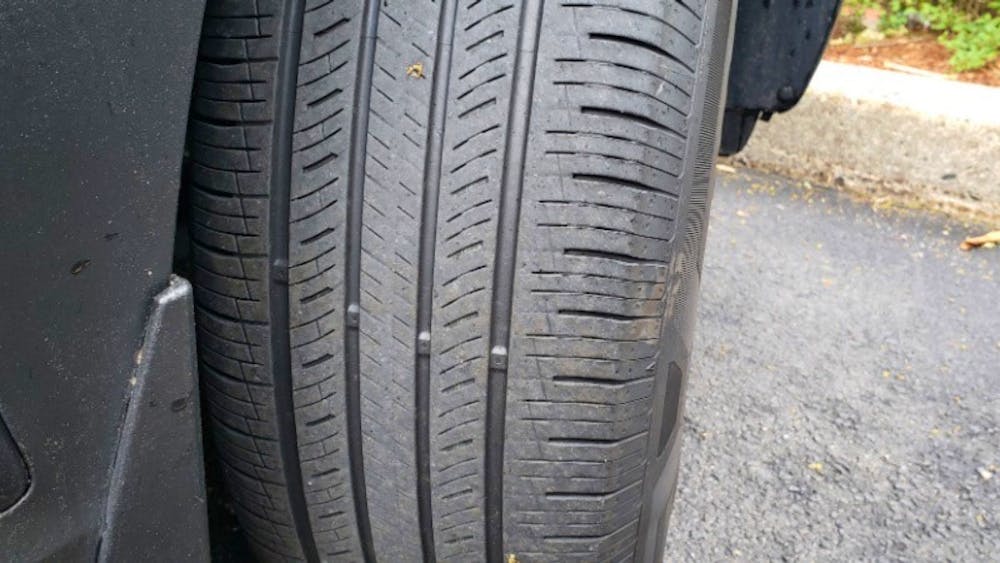
Credit: www.cartalk.com
Seasonal Tire Changes
Changing tires with the seasons helps keep your car safe. Tires work best in the right weather.
This guide explains the differences between tire types and when to change them.
Summer Vs Winter Tires
Summer tires have a hard rubber that grips dry roads well. They perform poorly in cold or snowy weather.
Winter tires use softer rubber and special tread patterns. They stay flexible in cold and help on ice and snow.
- Summer tires are best above 45°F (7°C).
- Winter tires work below 45°F (7°C).
- Using the right tires improves braking and control.
All-season Tire Limitations
All-season tires try to work in many conditions. They are a mix of summer and winter tire features.
| Feature | All-Season Tires | Specialized Tires |
| Summer performance | Moderate | High |
| Winter grip | Limited | Excellent |
| Wear in heat | Good | Better in summer tires |
| Wear in cold | Faster | Better in winter tires |
All-season tires do not replace winter or summer tires in extreme weather. They may wear faster if used all year.
When To Switch Tires
Switch tires based on temperature and road conditions. Follow these simple guidelines:
- Change to winter tires when temperatures drop below 45°F (7°C).
- Switch back to summer tires when temperatures stay above 45°F (7°C).
- Inspect tires for wear before each change.
- Replace tires if tread depth is below 4/32 inch for winter or 3/32 inch for summer.
Tire Maintenance Tips
Keeping your tires in good shape helps your car stay safe on the road. Regular care can make your tires last longer.
Here are some easy tips to help you take care of your tires and know when to replace them.
Regular Inspections
Check your tires often for signs of damage or wear. Look for cracks, cuts, or objects stuck in the tread.
- Check tread depth with a penny or tread gauge
- Look for uneven wear patterns
- Inspect sidewalls for bulges or cracks
- Remove stones or debris from the tread
Proper Inflation
Keep your tires inflated to the pressure recommended by your car’s manufacturer. Proper pressure improves fuel economy and safety.
| Pressure Level | Effect |
| Too Low | More tire wear, poor fuel economy |
| Too High | Less grip, uneven wear |
| Correct | Better handling, longer tire life |
Tire Rotation Schedule
Rotate your tires regularly to help them wear evenly. This keeps your car balanced and extends tire life.
- Follow your car manual’s recommended rotation interval
- Usually every 5,000 to 8,000 miles
- Swap front tires with rear tires
- Check tire condition during rotation
Wheel Alignment
Proper wheel alignment keeps your tires wearing evenly and your car driving straight. Misalignment can cause quick tire wear.
Signs you may need alignment:
- Car pulls to one side
- Steering wheel is off-center
- Uneven tire wear
- Steering feels loose or shaky

Credit: jerry.ai
Cost And Safety Benefits
Replacing car tires at the right time saves money and keeps you safe. Old tires can cause accidents and reduce fuel economy. Knowing when to change tires helps avoid extra costs.
This guide explains how timely tire replacement improves savings, fuel use, and driving safety.
Saving Money With Timely Replacement
Changing tires before they wear out fully helps avoid costly repairs. Worn tires damage suspension and brakes. New tires reduce repair bills and keep your car running well.
- Prevents damage to other car parts
- Reduces chances of tire blowouts
- Improves tire lifespan with regular checks
- Helps maintain car value
Improving Fuel Efficiency
New tires lower rolling resistance. This means the engine uses less fuel to move the car. Old, worn tires increase fuel use and raise costs.
| Tire Condition | Fuel Efficiency Impact |
|---|---|
| New Tires | Better mileage, up to 5% savings |
| Worn Tires | Higher fuel consumption |
Enhancing Driving Safety
Good tires improve grip on roads. They reduce stopping distance and prevent skidding. Safe tires protect you and other drivers on the road.
- Better traction in rain and snow
- Reduced risk of hydroplaning
- More control during emergency braking
- Less chance of tire failure
Frequently Asked Questions
How Often Should You Replace Car Tires?
Car tires typically need replacement every 25,000 to 50,000 miles. Factors like driving habits and road conditions influence this. Regularly check tire tread depth and look for signs of wear. Proper maintenance can extend tire life. Always consult your vehicle’s manual for specific recommendations.
What Are Signs You Need New Tires?
Signs include reduced tread depth, uneven wear, and frequent air loss. Also, look for cracks or bulges on the tire sidewall. Vibrations or noise while driving can also indicate tire issues. Regular inspections help identify problems early, ensuring safety.
Do Tires Expire Even If Unused?
Yes, tires can degrade over time even if unused. Rubber compounds break down due to environmental factors. It’s advisable to replace tires every six to ten years, regardless of tread wear. Check the manufacturing date on the tire sidewall for age.
How Does Weather Affect Tire Lifespan?
Extreme temperatures can accelerate tire wear. Hot weather causes rubber to soften, while cold can make it brittle. Seasonal changes can affect tire pressure. Proper tire maintenance and using season-appropriate tires can mitigate weather-related damage.
Conclusion
Tires wear out with time and use. Check them often for safety. Most tires last about 25,000 to 50,000 miles. Driving style and road conditions affect tire life too. Replace tires if tread is low or damage appears. Good tires help your car run well and keep you safe.
Keep an eye on tire health to avoid problems. Regular checks save money and prevent accidents. Safe driving starts with good tires.