If you’re planning to work on your vehicle’s fuel system, the first and most important step is to depressurize it. Why?
Because the fuel system holds high-pressure gasoline that can spray out and cause injury or damage if not handled properly. Knowing how to depressurize the fuel system safely puts you in control and protects you from unexpected fuel sprays. You’ll discover simple, clear steps to relieve the pressure quickly and confidently—so you can get your repairs done without worry.
Ready to learn how to keep your hands safe and your project on track? Let’s dive in.
Why Depressurize The Fuel System
Depressurizing the fuel system is an important step before working on a vehicle’s fuel system. It helps avoid accidents and damage. This process releases the pressure in the fuel lines.
Without depressurizing, fuel can spray out and cause harm. Learning why this is necessary keeps you safe and protects your vehicle.
Safety Reasons
Fuel systems hold pressure to deliver fuel to the engine. If you open the system without releasing this pressure, fuel can spray out quickly. This can cause burns or fires.
Releasing the pressure first stops fuel from spraying. It makes repairs or inspections safer for you and others nearby.
Preventing Fuel Spills
Fuel spills happen when the pressurized fuel escapes suddenly. Spilled fuel can damage surfaces and create slipping hazards. It also wastes fuel and pollutes the environment.
Depressurizing stops sudden fuel flow. This lowers the chance of spills during repairs or part replacements.
Protecting Engine Components
High fuel pressure can harm engine parts if released incorrectly. It may damage seals, sensors, or fuel injectors. This can lead to costly repairs.
By lowering the pressure first, you protect sensitive parts. This keeps the engine in good condition during maintenance.

Credit: www.youtube.com
Tools You’ll Need
Depressurizing the fuel system is an important step before doing any repairs. Using the right tools makes the process safer and easier. Here are the tools you will need to get started.
Gathering basic hand tools, safety gear, and specialized equipment will help you work with confidence and reduce risks.
Basic Hand Tools
Basic hand tools are necessary for loosening fuel lines and accessing fuel system parts. They help you disconnect components safely.
- Wrenches (open-end or adjustable)
- Screwdrivers (flathead and Phillips)
- Pliers (needle-nose or slip-joint)
- Socket set with ratchet
- Fuel line disconnect tool
Safety Gear
Safety gear protects you from fuel spills, fumes, and sharp parts. Always use protective equipment when working on the fuel system.
| Safety Item | Purpose |
| Safety glasses | Protect eyes from fuel spray and debris |
| Gloves | Prevent skin contact with fuel |
| Long sleeves | Protect arms from fuel and sharp edges |
| Fire extinguisher | Ready for emergencies involving fuel fires |
Specialized Equipment
Some tasks require tools designed specifically for fuel systems. These make depressurizing easier and reduce damage risks.
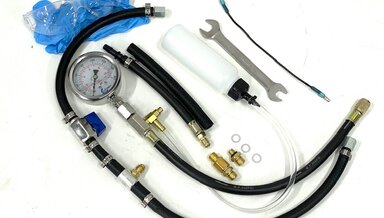
- Fuel pressure gauge to check system pressure
- Fuel line quick disconnect tool for some vehicle models
- Container to catch fuel that drains out
- Rags or absorbent pads to clean spills
Locate The Fuel System Components
Depressurizing the fuel system is important before working on it. You must first find the main parts of the fuel system. This helps you to do the job safely and correctly.
The fuel system has several key parts. Knowing where each part is will make the depressurizing process easier. Focus on the fuel pump, fuel lines, injectors, and the pressure regulator.
Fuel Pump Access
The fuel pump sends fuel from the tank to the engine. It is often inside or near the fuel tank. Some cars have a cover or panel you can open to reach it.
Look for a small access panel in the trunk or under the rear seat. Removing this panel lets you reach the fuel pump without dropping the fuel tank.
- Check the owner’s manual for the fuel pump location
- Look for an access cover under the back seat or trunk
- Disconnect the battery before working on the pump
Fuel Lines And Injectors
Fuel lines carry fuel from the pump to the engine. They are metal or rubber tubes running along the car’s frame. Fuel injectors spray fuel into the engine cylinders.
You can find fuel lines under the car or in the engine bay. Injectors are attached to the engine’s intake manifold. Knowing their location helps release pressure safely.
- Follow fuel lines from the tank to the engine bay
- Look near the engine for the fuel injectors
- Wear safety glasses and gloves when handling fuel parts
Fuel Pressure Regulator
The fuel pressure regulator controls the pressure in the fuel system. It is usually near the fuel injectors or on the fuel rail. It keeps fuel pressure steady for the engine.
Locate the regulator by looking for a small round device with a vacuum line attached. It may have a small hose connected to the fuel return line.
- Find the fuel rail on top of the engine
- Look for a small device with a vacuum hose
- Check for fuel lines connected to it
Credit: mercedessource.com
Step-by-step Depressurizing Process
Depressurizing the fuel system is essential before working on fuel lines or components. This process reduces the risk of fuel spray, which can cause injury or fire.
Follow these steps carefully to relieve pressure safely and prepare the fuel system for maintenance.
Relieve Fuel Tank Pressure
Start by removing the fuel tank cap slowly. This action lets air in and lowers the pressure inside the tank. Do this in a well-ventilated area to avoid inhaling fumes.
Disconnect Fuel Pump Fuse Or Relay
Locate the fuse box under the hood or dashboard. Find the fuel pump fuse or relay using your vehicle’s manual. Remove it to stop the fuel pump from running.
- Turn off the ignition.
- Locate and remove the fuel pump fuse or relay.
- Keep the fuse or relay in a safe place.
- Do not start the engine until the fuse is reinstalled.
Start Engine To Use Residual Pressure
Turn the ignition key to start the engine and let it run briefly. The engine will use the fuel left in the lines, lowering the pressure. The engine will likely stall once the fuel runs out.
Release Pressure From Fuel Lines
Wear safety glasses and gloves before working on fuel lines. Use a rag to cover the fuel line connection to catch any fuel. Slowly loosen the fuel line fitting to let remaining pressure escape.
| Tool | Purpose |
| Safety Glasses | Protect eyes from fuel spray |
| Gloves | Protect hands from fuel and injury |
| Rag | Absorb fuel escaping from lines |
| Wrench | Loosen fuel line fitting |
Common Mistakes To Avoid
Depressurizing the fuel system is a critical task for safety and vehicle maintenance. Mistakes can cause injury or damage. Avoid these common errors to do the job safely.
Knowing what not to do helps you prepare better. It ensures the fuel system depressurizes without risks or extra costs.
Skipping Safety Precautions
Many people ignore safety rules before starting. This can lead to fires, fuel leaks, or injuries. Always wear safety goggles and gloves.
- Work in a well-ventilated area
- Keep away from open flames or sparks
- Have a fire extinguisher nearby
- Wear protective clothing
Improper Tool Usage
Using the wrong tools can damage the fuel system or cause leaks. Make sure to use the correct pressure relief tool or wrench.
| Tool | Purpose |
| Fuel Pressure Gauge | Measure system pressure |
| Fuel Line Disconnect Tool | Disconnect fuel lines safely |
| Wrenches | Loosen fittings without damage |
Failing To Confirm Pressure Release
Some skip checking if the pressure is fully released. This mistake can cause fuel to spray unexpectedly.
- Turn off the ignition and remove the key
- Relieve pressure using the designated valve or tool
- Check fuel pressure gauge reads zero
- Inspect fuel lines for any signs of pressure

Credit: www.youtube.com
After Depressurizing: What’s Next
After you depressurize the fuel system, you can safely work on it. This step helps prevent fuel spray and accidents. Knowing what to do next keeps the job smooth and safe.
The following tasks help ensure the fuel system is in good shape before you re-pressurize it. Take your time and follow each step carefully.
Inspect Fuel Lines
Look closely at all the fuel lines for cracks, leaks, or damage. Fuel lines can wear out over time and cause problems.
Check the connections and clamps too. Loose or broken parts may let fuel escape.
- Search for cracks or holes
- Feel for soft or brittle spots
- Ensure clamps hold lines firmly
- Look for signs of fuel leaks
Perform Repairs Or Maintenance
Fix any problems found during inspection. Replace damaged lines or worn parts with new ones. Use correct tools and parts for the job.
Clean any dirt or debris around the fuel system. A clean area helps prevent future issues and keeps the system working well.
- Replace cracked or damaged lines
- Tighten or replace loose clamps
- Clean fuel system components
- Check fuel filter and replace if needed
Re-pressurize Fuel System Safely
After repairs, you must re-pressurize the fuel system carefully. This restores fuel pressure so the engine runs well.
Turn the ignition on without starting the engine. This lets the fuel pump work and build pressure slowly. Check for leaks during this step.
- Turn ignition key to ON position
- Listen for fuel pump running sound
- Check all fuel lines and connections
- Start engine and watch for leaks
Frequently Asked Questions
Why Depressurize The Fuel System?
Depressurizing the fuel system prevents fuel spray and potential injuries. It ensures safe maintenance or repair of the vehicle’s fuel components. By releasing the pressure, you also avoid fuel leaks, which can be hazardous. Always follow the manufacturer’s guidelines for safety.
How To Safely Depressurize The Fuel System?
To safely depressurize, first disconnect the fuel pump fuse or relay. Then, start the engine and let it run until it stalls. This process ensures that all the remaining fuel pressure is released from the system. Always wear safety gear when performing this task.
Can Depressurizing The Fuel System Damage My Car?
Depressurizing the fuel system, when done correctly, will not damage your car. It is a standard procedure in vehicle maintenance. However, improper handling or skipping steps can lead to issues. Always follow the vehicle’s manual for specific instructions and safety precautions.
What Tools Are Needed To Depressurize The System?
Basic tools are needed: a wrench, a fuse puller, and safety gloves. A fuel pressure gauge can be useful to ensure all pressure is released. These tools help ensure the process is efficient and safe. Always consult your vehicle’s manual for any specific tools required.
Conclusion
Depressurizing the fuel system keeps you safe during repairs. Always follow the right steps to avoid fuel leaks or injuries. Use simple tools and take your time. Remember, safety matters most when working with fuel. Doing this process right helps your vehicle run smoothly afterward.
Stay careful and confident with each step you take. This small task can save you from bigger problems later. Keep these tips in mind for future fuel system work.