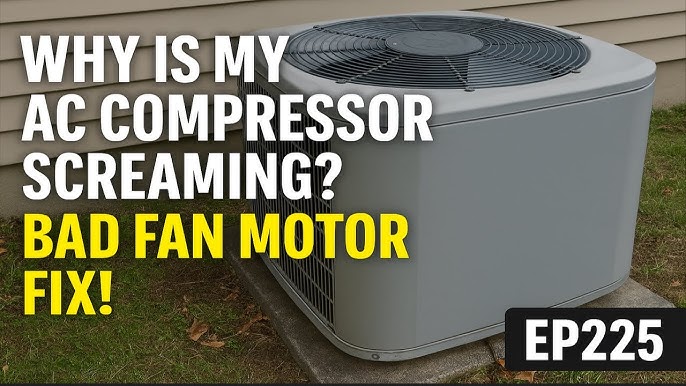
Is your air conditioner making an annoying squeaking sound? That constant noise can be more than just a minor irritation—it can disrupt your comfort and signal a problem that needs fixing.
You might wonder, “How do I stop my air conditioner from squeaking? ” The good news is, you don’t have to put up with that noise or call a technician right away. You’ll discover simple, practical steps you can take to silence your AC and keep it running smoothly.
Keep reading, and you’ll learn how to enjoy a cool, quiet home again.
Common Causes Of Ac Squeaking
Many air conditioners make a squeaking sound. This noise can be annoying and may mean your AC needs care. Knowing what causes the squeak helps you fix it faster.
Some parts inside your AC can wear out or get dirty. These issues often cause the squeaking noise. Here are the most common reasons for this problem.
Loose Or Worn Belts
Belts inside the AC help move parts like the fan. If a belt is loose or worn out, it can slip and cause a squeak. Over time, belts can stretch or crack from use.
Checking the belts regularly can stop the noise. Tighten loose belts or replace worn ones to keep your AC quiet.
Lack Of Lubrication
Parts like the motor and fan need oil or grease to work smoothly. When these parts dry out, they rub and make a squeaking sound. Lack of lubrication causes extra friction.
Applying proper lubrication reduces noise and helps parts last longer. It is a simple way to stop squeaks from your AC.
Debris In The Fan
Leaves, dirt, or small objects can get stuck in the fan blades. When the fan spins, debris can hit other parts and create a squeak. This can also damage the fan over time.
Cleaning the fan regularly removes debris. A clean fan runs quietly and keeps the AC safe.
Faulty Motor Bearings
Motor bearings help the motor turn smoothly. If bearings wear out or break, they make a loud squeaking sound. This can affect your AC’s performance.
Replacing bad motor bearings stops the noise. It also prevents further damage to the motor.
Misaligned Components
Parts inside the AC must line up correctly. If they shift or move, they can rub against each other and squeak. Misalignment often happens after repairs or long use.
Checking and adjusting the parts keeps them aligned. This stops squeaking and helps the AC work better.

Credit: www.angi.com
Tools And Materials Needed
Stopping your air conditioner from squeaking needs some basic tools and materials. Having the right items ready makes the job easier and faster.
Below are the main categories of tools and materials you will need to fix squeaks in your air conditioner.
Basic Hand Tools
You need a few simple tools to open and work on your air conditioner. These tools help you reach the parts that cause squeaks.
- Screwdrivers (flathead and Phillips)
- Wrench set
- Pliers
- Socket set
- Flashlight
- Rags or cloths
Lubricants
Lubricants reduce friction and stop parts from squeaking. Use the right lubricant for your air conditioner parts.
| Type | Use |
| Silicone Spray | For plastic and rubber parts |
| WD-40 | For metal parts and hinges |
| Light Machine Oil | For motor bearings and moving parts |
Replacement Parts
Sometimes, worn or broken parts cause squeaks. Having spare parts can help you fix the problem quickly.
- Fan belt
- Motor bearings
- Screws and bolts
- Rubber grommets or mounts
- Fan blades (if damaged)
Cleaning Supplies
Cleaning your air conditioner parts can stop squeaks caused by dirt or dust. Use these supplies to clean safely and well.
- Soft brush
- Vacuum cleaner with brush attachment
- Mild detergent or soap
- Spray bottle with water
- Microfiber cloths
Step-by-step Fixes For Squeaking
Squeaking noises from your air conditioner can be annoying. They often mean parts need care or repair.
Follow these steps to fix squeaks and keep your unit running smoothly.
Inspecting The Unit
Start by turning off the air conditioner. Look closely for loose or damaged parts.
Check belts, fans, and screws. Find where the squeak is coming from to target the problem.
Tightening Or Replacing Belts
Belts can get loose or worn over time. A loose belt often causes squeaking noises.
Use a screwdriver or wrench to tighten the belt. Replace it if it looks cracked or frayed.
- Turn off power before handling belts
- Check belt tension and alignment
- Replace if worn or damaged
Lubricating Moving Parts
Dry or rusty parts can make noise. Apply lubricant to reduce friction and stop squeaks.
Use a light machine oil on fan motors, bearings, and other moving parts. Avoid over-oiling.
- Use oil made for motors
- Apply a few drops to moving parts
- Wipe away extra oil to prevent dust buildup
Cleaning The Fan And Vents
Dirt and debris can cause parts to rub or unbalance. Clean fans and vents regularly.
Turn off the unit. Use a brush or cloth to remove dust and dirt from the fan blades and vents.
- Remove dust from fan blades
- Clear vents to improve airflow
- Check for obstructions that cause noise
Checking Motor Bearings
Worn motor bearings often cause squeaking. Listen carefully to locate the source.
If bearings are worn, replace or lubricate them. This helps the motor run quietly and smoothly.
- Identify if noise comes from motor area
- Lubricate bearings if possible
- Replace bearings if damaged or noisy
Preventive Maintenance Tips
Stopping your air conditioner from squeaking needs regular care. Small actions can keep your AC quiet and working well.
Follow these tips to prevent noise and extend your air conditioner’s life.
Regular Cleaning Schedule
Dust and dirt can cause parts to rub and squeak. Clean your AC often to stop this.
Focus on filters, vents, and fan blades. Clean parts help your AC run smoothly and quietly.
- Clean or replace filters every 1-3 months
- Wipe dust from vents and fan blades monthly
- Keep the outdoor unit free of leaves and debris
Lubrication Routine
Moving parts need oil to move without noise. Dry parts make squeaking sounds.
Apply lubricant to the motor and fan bearings regularly. Use a light machine oil for best results.
- Turn off power before lubricating
- Apply oil to all moving parts every six months
- Check if parts need oil more often in dry areas
Timely Belt Replacement
Worn belts can slip and cause squeaks. Check your belts regularly.
Replace belts if you see cracks or frays. New belts keep the system quiet and efficient.
- Inspect belts every three months
- Replace belts that show wear or damage
- Use the correct belt size for your model
Professional Inspections
Experts can find hidden problems causing noise. Schedule inspections at least once a year.
Professionals clean, lubricate, and replace parts as needed. This keeps your AC quiet and safe.
- Book an inspection before summer
- Ask for a full system check
- Follow expert advice for repairs
When To Call A Professional
Air conditioners can start to squeak for many reasons. Some sounds are easy to fix. Others need expert help.
This guide shows when to call a professional for your AC’s squeaking noise.
Persistent Noises
If the squeaking noise keeps coming back after you try to fix it, call a professional. Persistent sounds may mean worn-out parts.
Electrical Issues
Some squeaks come from electrical problems. These can be dangerous to fix on your own. A professional can check wiring and components safely.
- Buzzing or squeaking near wiring
- Flickering power to the AC unit
- Burning smells or sparks
Complex Repairs
Some repairs need special tools or skills. Problems inside the motor or compressor often cause squeaks. These fixes require expert care.
| Problem | Reason | Professional Action |
| Motor Squeaking | Worn bearings | Replace or lubricate parts |
| Compressor Noise | Internal damage | Repair or replace unit |
| Fan Issues | Loose or bent blades | Tighten or replace blades |
Warranty Considerations
Check your AC’s warranty before fixing squeaks. Some repairs done by non-professionals can void it. Calling a professional keeps your warranty valid.
Keep your warranty safe by:
- Using licensed technicians
- Keeping repair receipts
- Following the manufacturer’s service guidelines

Credit: www.reddit.com

Credit: www.reddit.com
Frequently Asked Questions
Why Is My Air Conditioner Squeaking?
A squeaking air conditioner often indicates loose or worn-out components. It could be due to a misaligned fan belt, worn motor bearings, or debris in the unit. Regular maintenance and inspection can help identify and resolve these issues, ensuring efficient operation and reducing noise levels.
How Can I Fix A Squeaky Air Conditioner?
To fix a squeaky air conditioner, first, turn off the unit. Inspect for loose parts or debris. Tighten loose screws and replace worn components like fan belts or motor bearings. Regular cleaning and lubrication can prevent squeaks. If unsure, consult a professional technician for a thorough inspection and repair.
Can I Use Wd-40 On My Air Conditioner?
Using WD-40 on your air conditioner is not recommended. It’s better to use a lubricant designed for HVAC systems. WD-40 can attract dust and cause further issues. Opt for a silicone-based spray to lubricate moving parts. Always follow the manufacturer’s guidelines for maintenance and repairs.
How Often Should I Maintain My Air Conditioner?
Regular maintenance is crucial for optimal performance. It’s recommended to service your air conditioner at least twice a year. Spring and fall are ideal times for servicing. Routine checks can prevent squeaks and prolong the unit’s lifespan. Regular cleaning and inspections help ensure efficient operation.
Conclusion
Stopping your air conditioner from squeaking can improve your comfort greatly. Regular cleaning and lubrication help keep parts moving smoothly. Tightening loose screws and checking belts prevent noise issues. Small fixes often save money and avoid bigger problems. Pay attention to sounds early to catch issues fast.
A quiet AC means a peaceful, cool home all summer. Simple care makes your unit last longer and work better. Keep your air conditioner running quietly with easy steps.