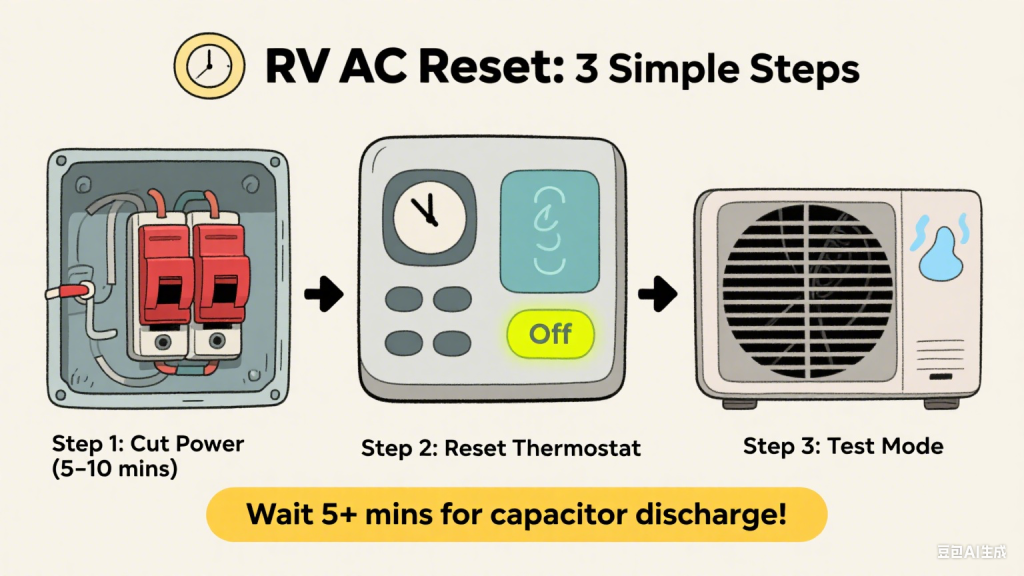
Are you wondering how long your RV air conditioner will keep you cool on those hot summer trips? Knowing the lifespan of your RV air conditioner can save you from unexpected breakdowns and costly repairs.
You’ll discover what affects its durability, signs it might be time for a replacement, and simple tips to extend its life. Keep reading to make sure your RV stays comfortable no matter where the road takes you.
Rv Air Conditioner Basics
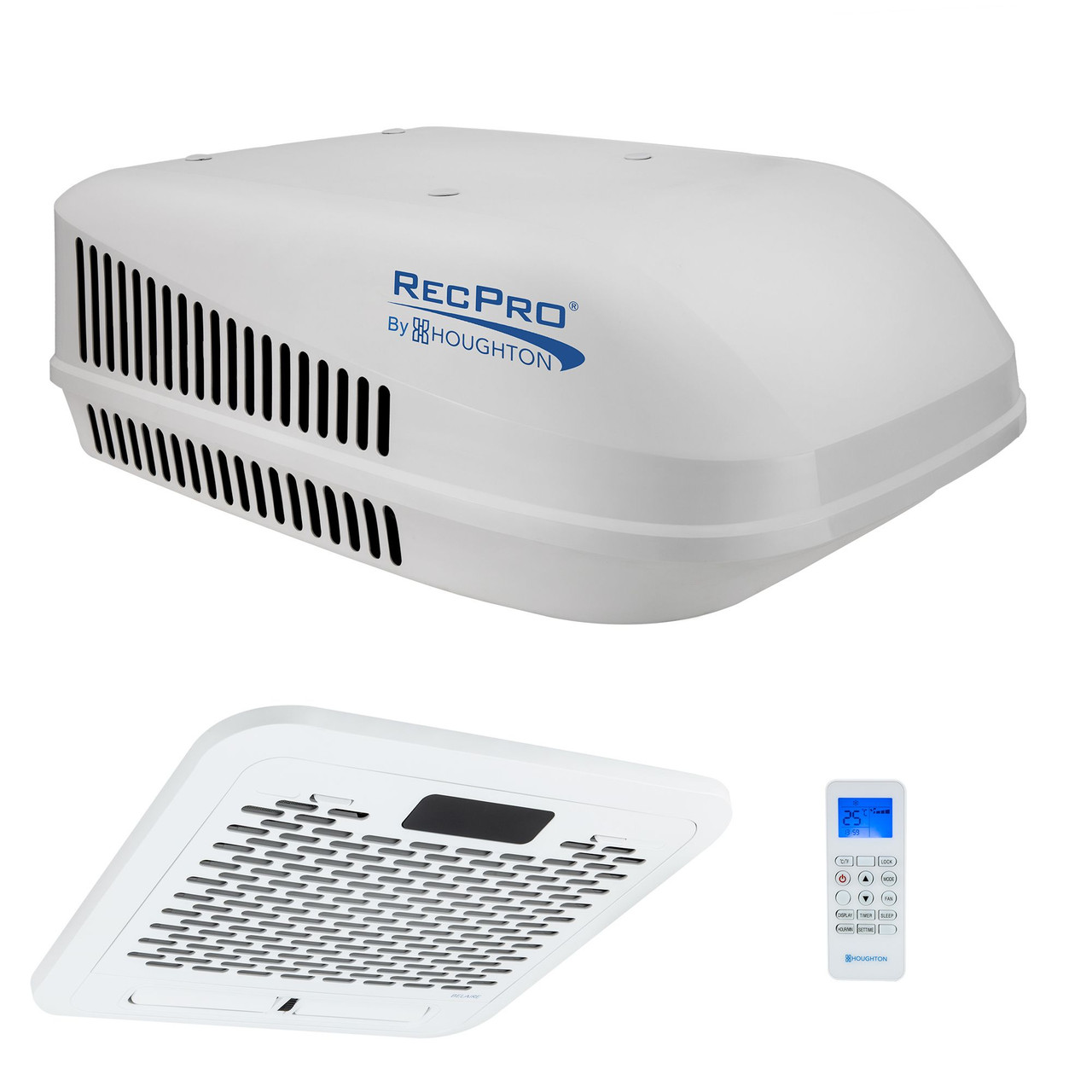
RV air conditioners come in two main types:rooftop and portable units. Rooftop ACs are common and fit on top of the RV. Portable units can move around inside but need venting outside. Both types cool the air but work differently.
Key components of an RV air conditioner include the compressor, condenser, evaporator coil, and fan. The compressor pushes refrigerant through the system. The condenser cools the refrigerant outside the RV. The evaporator coil cools the air inside. Fans help move air in and out.
| Component | Function |
|---|---|
| Compressor | Circulates refrigerant and increases pressure |
| Condenser | Releases heat outside the RV |
| Evaporator Coil | Absorbs heat from inside air |
| Fan | Moves air through the system |

Credit: recpro.com
Average Lifespan Of Rv Ac Units
RV air conditioners usually last around 8 to 12 years. This depends on how often they are used and how well they are cared for. On average, if used a few hours a day during warm seasons, the AC should work well for about 10 years.
Several factors influence the lifespanof an RV AC unit:
- Usage frequency:More use means faster wear.
- Maintenance:Regular cleaning and filter changes help.
- Quality of unit:Higher quality units last longer.
- Operating conditions:Extreme heat or dirt can shorten life.
- Installation quality:Proper setup avoids early damage.
Maintenance Tips For Longer Life
Regular cleaninghelps keep your RV air conditioner working well. Dirt and dust block airflow and reduce cooling power. Clean or replace air filters monthly. Wipe down the exterior unit to remove grime and debris. This stops damage and keeps air fresh.
Seasonal careis important. Cover the unit during winter to protect it from rain and snow. Drain water from the system before storing it. Check for cracks or damage before each season starts. This prevents costly repairs later.
Professional servicingensures long life. Have an expert inspect the unit yearly. They check refrigerant levels, belts, and electrical parts. This finds small problems early. Fixing these keeps the AC running smoothly and saves money.
Credit: recpro.com
Signs Your Rv Ac Needs Replacement
Decreased cooling efficiencymeans your RV AC struggles to cool the space. It takes longer to reach a comfortable temperature. You may feel warm spots inside the RV. This is a clear sign the AC is losing its power.
Unusual noiseslike rattling, buzzing, or grinding come from the unit. These sounds show internal parts may be worn out or broken. Strange noises often mean the AC needs a check or replacement soon.
Frequent repairscan become expensive and frustrating. If you fix the AC many times a year, it might be better to get a new one. Constant problems lower the unit’s reliability and comfort.
Extending Your Rv Ac’s Lifespan
Energy-saving practiceshelp your RV air conditioner work better and last longer. Use fans to cool down the space first. Set the thermostat at a comfortable, not too low, temperature. Close windows and doors to keep cool air inside. Clean or replace air filters regularly to improve airflow. Avoid running the AC when the RV is parked in direct sunlight. These steps save energy and reduce wear on the unit.
Proper storage techniquesprotect your RV AC during off-seasons. Remove and clean the unit before storing. Cover the AC with a breathable cover to keep dust and debris out. Store it in a dry place to avoid rust and damage. Check the unit for any leaks or cracks before storage. Proper care during storage keeps the air conditioner ready for next use.

Credit: furrion.com
Choosing A Replacement Rv Air Conditioner
Choosing the right replacement RV air conditionermeans matching the unit size to your RV. A unit too small won’t cool well, while one too big wastes energy.
- Measure your RV’s spacebefore buying a new AC.
- Check the BTU (cooling power)rating to fit your RV size.
- Common sizes range from 13,500 to 15,000 BTUs.
Energy efficiency is key. Look for units with a high Energy Efficiency Ratio (EER). This saves power and lowers costs. Efficient units run quieter and last longer.
Installation matters. Consider the roof typeand available space. Some units fit only certain roof sizes. Proper sealing prevents leaks and damage.
Frequently Asked Questions
How Many Years Do Rv Air Conditioners Last?
RV air conditioners typically last between 3 to 5 years. Their lifespan depends on usage and maintenance. Regular cleaning and servicing can extend their life. Factors like climate and frequency of use also affect longevity. Proper care and timely repairs can help maximize their operational years.
What Affects Rv Air Conditioner Lifespan?
Several factors affect RV air conditioner lifespan, including usage frequency, maintenance, and climate conditions. Regular cleaning and filter replacements are essential. Harsh climates and continuous use can shorten lifespan. Timely servicing and repairs can help extend its operational life. Proper storage during off-seasons also plays a crucial role.
How Often Should I Maintain My Rv Ac?
You should maintain your RV AC twice a year for optimal performance. Regular cleaning and filter changes are essential. Inspect for any damage or leaks. Timely servicing helps in prolonging its lifespan. Proper maintenance ensures efficient cooling and prevents unexpected breakdowns.
Can I Extend My Rv Air Conditioner’s Life?
Yes, you can extend your RV air conditioner’s life with proper maintenance. Regular cleaning and timely filter replacements are crucial. Ensure the unit is serviced twice a year. Avoid overusing in harsh climates. Store your RV in a shaded area during off-seasons to protect the AC.
Conclusion
An RV air conditioner usually lasts about 10 to 15 years. Regular care helps it work longer and better. Clean filters and check parts often. Avoid overusing the AC in very hot weather. Fix small problems quickly to stop bigger issues.
Choosing a good brand can also help. Remember, a well-kept AC makes your trips cooler and more fun. Keep it running smoothly, and enjoy your travels comfortably.